

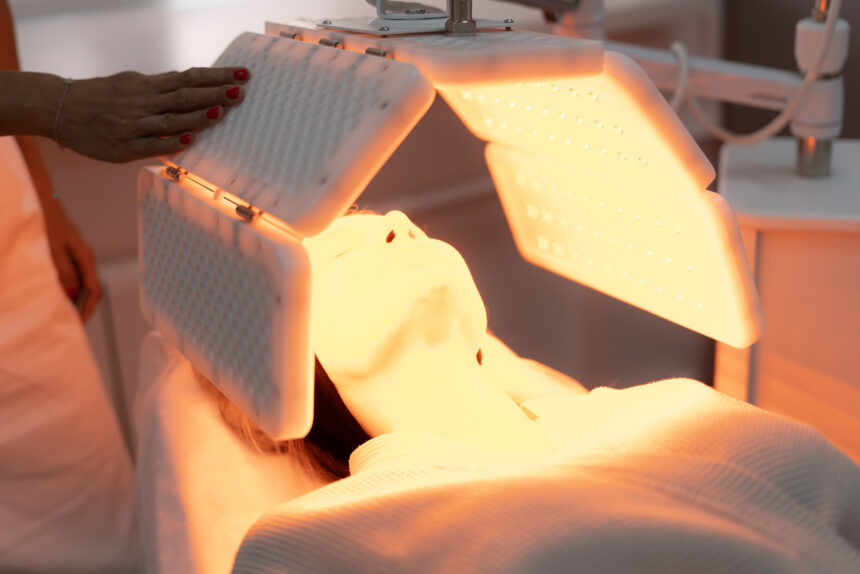
From boosting mood and improving sleep to supporting skin health, light therapy has emerged as a non-invasive treatment that can positively influence both physical and mental health.
Introduction
Light plays a fundamental role in human health. Beyond helping us see, light influences our biological clock, sleep patterns, mood, hormone production, and overall well-being.
However, modern lifestyles often limit our exposure to natural sunlight, while factors such as seasonal changes, indoor work environments, and certain health conditions can further disrupt the body’s natural rhythms.
Light therapy, also known as phototherapy, has gained attention as a therapeutic approach that uses controlled exposure to specific wavelengths of light to support health and treat certain conditions.
Depending on the type of light used, light therapy may help improve mood, regulate sleep, enhance skin health, and even support wound healing.
As research into light-based treatments continues to grow, many healthcare professionals are recognizing its potential as a complementary tool for improving quality of life.
What Is Light Therapy?
The treatment typically involves sitting near a specially designed light box or device that emits bright light at specific intensities and wavelengths.
Different forms of light therapy, including bright light therapy, red light therapy, and blue light therapy, are used for different health purposes.
Light therapy is generally performed under professional guidance or according to manufacturer recommendations, depending on the condition being addressed.
Key Health Benefits of Light Therapy
Research suggests that light therapy may offer several health benefits when used appropriately and consistently.
1. Helps Improve Seasonal Depression
One of the most well-known uses of light therapy is the treatment of Seasonal Affective Disorder (SAD), a form of depression that typically occurs during periods of reduced sunlight exposure.
Light therapy helps compensate for the lack of natural sunlight, which may improve mood, increase energy levels, and reduce symptoms such as sadness, fatigue, and loss of interest in daily activities.
2. Supports Better Sleep
Light exposure plays a major role in regulating the body’s circadian rhythm, commonly known as the internal body clock.
Appropriate light therapy can help synchronize sleep-wake cycles, making it easier for individuals to fall asleep, stay asleep, and wake up feeling refreshed. It may be particularly beneficial for people experiencing insomnia, shift-work sleep disorders, or jet lag.
3. Enhances Mood and Mental Well-Being
Even among individuals without seasonal depression, light therapy may contribute to improved emotional well-being.
Exposure to therapeutic light can influence neurotransmitters such as serotonin, which is often associated with mood regulation, happiness, and emotional balance. As a result, some people report feeling more energetic, focused, and positive after consistent use.
4. May Improve Skin Health
Certain forms of light therapy are widely used in dermatology to address various skin conditions.
Blue light therapy may help reduce acne-causing bacteria, while red light therapy has been studied for its potential to stimulate collagen production and reduce signs of skin aging. Light-based treatments are also sometimes used for conditions such as psoriasis and eczema under medical supervision.
5. Supports Wound Healing
Research suggests that specific wavelengths of light, particularly red and near-infrared light, may promote tissue repair and healing.
These forms of light therapy may stimulate cellular activity and improve blood circulation, potentially supporting faster recovery from minor wounds and injuries.
6. May Reduce Inflammation
Chronic inflammation is associated with numerous health conditions, including arthritis, cardiovascular disease, and certain metabolic disorders.
Some studies indicate that red light therapy may help reduce inflammation by influencing cellular processes involved in the body’s inflammatory response. While more research is needed, early findings are promising.
7. Helps Boost Energy Levels
Insufficient light exposure can contribute to feelings of sluggishness and fatigue, especially during darker months of the year.
By helping regulate circadian rhythms and supporting hormone balance, light therapy may increase alertness and improve daytime energy levels. Many individuals report feeling more productive and mentally engaged after regular use.
8. May Support Cognitive Function
Emerging evidence suggests that proper light exposure may have positive effects on attention, concentration, and cognitive performance.
Because light influences sleep quality and mood both of which affect brain function light therapy may indirectly contribute to improved focus, memory, and mental clarity.
9. Could Help Manage Certain Mood Disorders
In addition to Seasonal Affective Disorder, healthcare providers sometimes incorporate light therapy into treatment plans for other mood-related conditions.
When used appropriately and under professional guidance, light therapy may complement other treatments designed to support emotional and psychological well-being.
10. Promotes a Healthier Circadian Rhythm
Modern lifestyles often expose people to excessive artificial light at night and insufficient natural light during the day.
Light therapy can help restore healthier circadian patterns, supporting better sleep, hormone regulation, energy levels, and overall health. Maintaining a well-regulated circadian rhythm is increasingly recognized as an important component of long-term wellness.
MUST READ: Understanding Hypomania: When Feeling Extremely Good May Signal a Mental Health Concern
Is Light Therapy Safe?
Light therapy is generally considered safe for most people when used correctly.
Most users experience minimal side effects, although some individuals may occasionally experience mild headaches, eye strain, irritability, or difficulty sleeping if the therapy is used at inappropriate times.
Individuals with certain eye conditions, bipolar disorder, or photosensitivity disorders should consult a healthcare professional before beginning light therapy.
Getting the Most from Light Therapy
The effectiveness of light therapy often depends on factors such as timing, duration, light intensity, and the specific condition being treated. Following professional recommendations can help maximize benefits while minimizing potential side effects.
Final Thoughts
Light therapy is a promising, non-invasive approach that can support both physical and mental health. From improving mood and sleep quality to enhancing skin health and reducing inflammation, exposure to therapeutic light offers a range of potential benefits that extend far beyond simple illumination.
While light therapy is not a cure-all, it can serve as a valuable addition to a healthy lifestyle and, in some cases, a broader treatment plan.
As our understanding of the relationship between light and health continues to evolve, light therapy may play an increasingly important role in helping individuals achieve better overall well-being.