

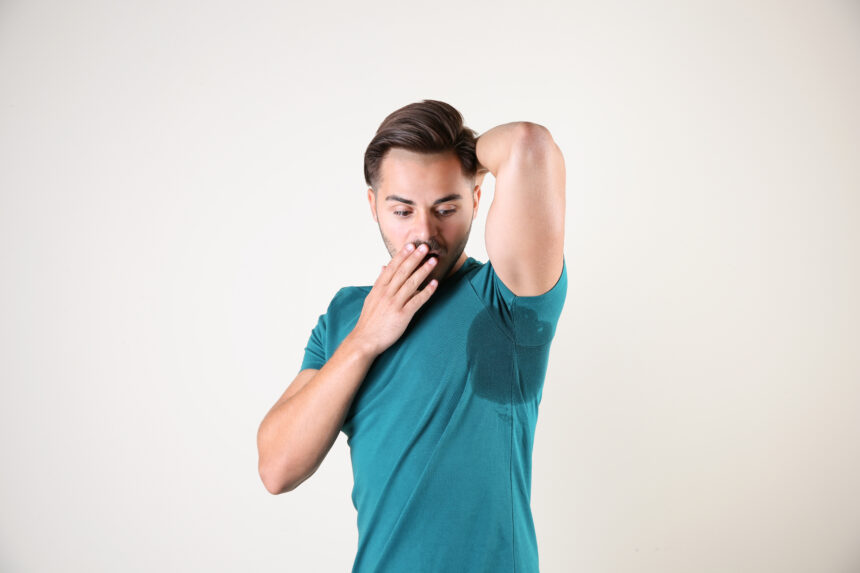
Body odour is a common condition that affects people of all ages. While sweating is a natural and healthy process, unpleasant body odour can sometimes be embarrassing and may signal poor hygiene, dietary habits, or an underlying health condition.
Introduction
Everyone sweats, especially during hot weather, physical activity, or moments of stress. Sweat itself is virtually odourless, but when it mixes with bacteria on the skin, it can produce an unpleasant smell known as body odour.
For many people, body odour is temporary and can be managed with good hygiene and healthy lifestyle habits.
However, persistent or unusually strong body odour may indicate an underlying medical condition that deserves attention.
Understanding what causes body odour and how to prevent it can help you stay fresh, boost your confidence, and protect your overall health.
What Is Body Odour?
Body odour is the smell that develops when sweat interacts with bacteria naturally present on the skin.
The body has two main types of sweat glands. Eccrine glands are found throughout the body and produce watery sweat that helps regulate body temperature.
Apocrine glands, located mainly in the armpits and groin, produce a thicker fluid that contains proteins and fats.
When bacteria break down the sweat produced by apocrine glands, they release compounds responsible for the characteristic smell associated with body odour.
Why Do Some People Have Stronger Body Odour?
The amount of bacteria on the skin, personal hygiene habits, diet, genetics, hormone levels, medications, clothing, and certain health conditions all play a role. This explains why two people can sweat the same amount but have very different body odours.
Common Causes of Body Odour
Identifying the underlying cause is the first step toward effective prevention.
1. Poor Personal Hygiene
When sweat remains on the skin for long periods, bacteria multiply rapidly and produce unpleasant-smelling compounds.
Regular bathing, especially after exercise or heavy sweating, helps remove sweat, bacteria, and dead skin cells that contribute to body odour.
2. Excessive Sweating
People who sweat heavily have more moisture on their skin, creating an ideal environment for bacteria to grow.
A condition known as hyperhidrosis causes excessive sweating that may increase the likelihood of developing body odour.
3. Hot and Humid Weather
High temperatures and humidity, common in many parts of Nigeria, increase sweat production.
The more you sweat, the greater the opportunity for bacteria to break down sweat and produce unpleasant smells.
4. Certain Foods
Some foods can influence body odour because their compounds are released through sweat.
Garlic, onions, spicy foods, certain spices, and excessive alcohol consumption may contribute to stronger body odour in some people.
5. Hormonal Changes
Hormonal fluctuations during puberty, pregnancy, menstruation, and menopause can alter the amount and composition of sweat.
Teenagers often notice stronger body odour during puberty because the apocrine sweat glands become more active.
6. Wearing Tight or Non-Breathable Clothing
Clothing made from materials that trap heat and moisture creates conditions that encourage bacterial growth.
Wearing breathable fabrics such as cotton can help reduce sweating and improve air circulation around the skin.
7. Medical Conditions
Although less common, certain health conditions can contribute to changes in body odour.
Diabetes, overactive thyroid (hyperthyroidism), liver disease, kidney disease, and rare metabolic disorders can sometimes produce unusual body odours. Skin infections may also cause unpleasant smells.
8. Certain Medications
Some medications may increase sweating or alter body chemistry, leading to noticeable changes in body odour.
If you notice a new or unusual odour after starting a medication, discuss it with your healthcare provider rather than stopping the medication on your own.
MUST READ: Common Causes of Bad Breath and How to Prevent It
How to Prevent Body Odour
Good hygiene and healthy lifestyle habits can help keep body odour under control.
Bathe Every Day
Daily bathing with soap and clean water helps remove sweat, bacteria, and oils from the skin. During hot weather or after strenuous exercise, showering more than once a day may be necessary.
Pay special attention to areas where sweat tends to accumulate, including the armpits, groin, feet, and skin folds.
Use an Antiperspirant or Deodorant
Although often confused, antiperspirants and deodorants work differently.
Antiperspirants reduce the amount of sweat produced by temporarily blocking sweat glands, while deodorants help control the bacteria responsible for unpleasant odours and add fragrance.
Choosing the right product can significantly improve body freshness throughout the day.
Wear Clean, Breathable Clothing
Changing into clean clothes every day is essential, particularly underwear and socks.
Natural fabrics such as cotton allow better air circulation and help keep the skin cooler and drier than many synthetic materials.
Keep Your Underarms Dry
Bacteria thrive in warm, damp environments.
Drying your skin thoroughly after bathing and changing sweaty clothes promptly can reduce bacterial growth and minimise body odour.
Maintain Good Foot Hygiene
Feet contain many sweat glands and are a common source of unpleasant odours.
Wash your feet daily, dry them carefully especially between the toes and wear clean socks. Allow your shoes to dry completely before wearing them again.
Eat a Balanced Diet
A healthy diet supports overall health and may reduce strong body odours.
If you notice that certain foods consistently affect your body odour, consider reducing your intake while maintaining a balanced diet rich in fruits, vegetables, whole grains, lean proteins, and adequate water.
Stay Hydrated
Drinking enough water supports normal body functions and helps regulate body temperature.
Good hydration may also dilute sweat and support healthy skin.
Can Body Odour Be a Sign of a Medical Problem?
Sometimes, yes.
Persistent body odour that does not improve with good hygiene may indicate an underlying health condition. A fruity-smelling odour may be associated with poorly controlled diabetes, while an ammonia-like smell can sometimes occur in people with kidney disease. A strong fishy odour may suggest a rare inherited metabolic disorder known as trimethylaminuria.
Although these conditions are uncommon, unusual or persistent changes in body odour should be evaluated by a healthcare professional.
When Should You See a Doctor?
Medical advice is important if body odour changes suddenly or becomes difficult to control.
Consult a healthcare provider if body odour persists despite good hygiene, is accompanied by excessive sweating, unexplained weight loss, fever, skin infections, or other unusual symptoms. Early evaluation can help identify and treat any underlying condition.
Final Thoughts
Body odour is a normal part of life, but persistent or unusually strong odour should not be ignored. In most cases, simple habits such as bathing regularly, wearing clean clothing, staying hydrated, and using appropriate deodorants or antiperspirants are enough to keep body odour under control.
Remember that your body can sometimes signal when something is wrong. If body odour changes suddenly or does not improve despite good hygiene, seek medical advice to rule out underlying health conditions.