

Iron deficiency is one of the most common nutritional deficiencies among women worldwide. Because iron is essential for producing healthy red blood cells, low iron levels can affect your energy, concentration, immune system, and overall quality of life.
Introduction
Feeling tired after a busy day is normal, but constant fatigue that doesn’t improve with rest may be a sign of something more serious. For many women, iron deficiency develops gradually and often goes unnoticed until symptoms become difficult to ignore.
Women are particularly vulnerable to iron deficiency because of menstrual blood loss, pregnancy, breastfeeding, and increased iron requirements during certain stages of life. Poor dietary intake and some medical conditions can also contribute to low iron levels.
The good news is that iron deficiency is usually treatable once it is identified. Knowing the warning signs can help you seek medical advice early and receive the right treatment before the condition progresses to iron deficiency anemia.
What Is Iron Deficiency?
Iron is an essential mineral that helps the body produce haemoglobin, the protein in red blood cells responsible for carrying oxygen from the lungs to the rest of the body. When iron levels are too low, the body produces fewer healthy red blood cells, reducing the amount of oxygen delivered to tissues and organs.
If left untreated, iron deficiency can develop into iron deficiency anemia, a condition that may cause significant fatigue and other health problems.
Why Are Women More Likely to Develop Iron Deficiency?
Women have a higher risk because they lose iron more frequently and often require more of it.
Heavy menstrual periods are one of the leading causes of iron deficiency in women of reproductive age. Pregnancy increases iron requirements because the body must support both the mother and the growing baby.
Breastfeeding, multiple pregnancies, diets low in iron-rich foods, frequent blood donation, and certain digestive disorders can also reduce iron levels.
Women with uterine fibroids, stomach ulcers, inflammatory bowel disease, or conditions that affect nutrient absorption may also be at increased risk.
Common Symptoms of Iron Deficiency in Women
Iron deficiency can affect many parts of the body, and symptoms often develop gradually.
1. Constant Fatigue
Persistent tiredness is one of the earliest and most common symptoms of iron deficiency.
When your body cannot produce enough healthy red blood cells, your muscles and organs receive less oxygen. This can leave you feeling exhausted, even after getting enough sleep.
2. Pale Skin
Iron deficiency may cause the skin, inner eyelids, gums, or nail beds to appear paler than usual.
This happens because lower haemoglobin levels reduce the healthy red colour normally seen in the blood.
3. Shortness of Breath
You may notice that climbing stairs, walking quickly, or doing routine household chores leaves you unusually breathless.
Because the body is carrying less oxygen, the heart and lungs have to work harder to meet the body’s needs.
4. Dizziness or Lightheadedness
Low iron levels can reduce the amount of oxygen reaching the brain.
As a result, some women experience dizziness, lightheadedness, or even fainting, particularly when standing up quickly.
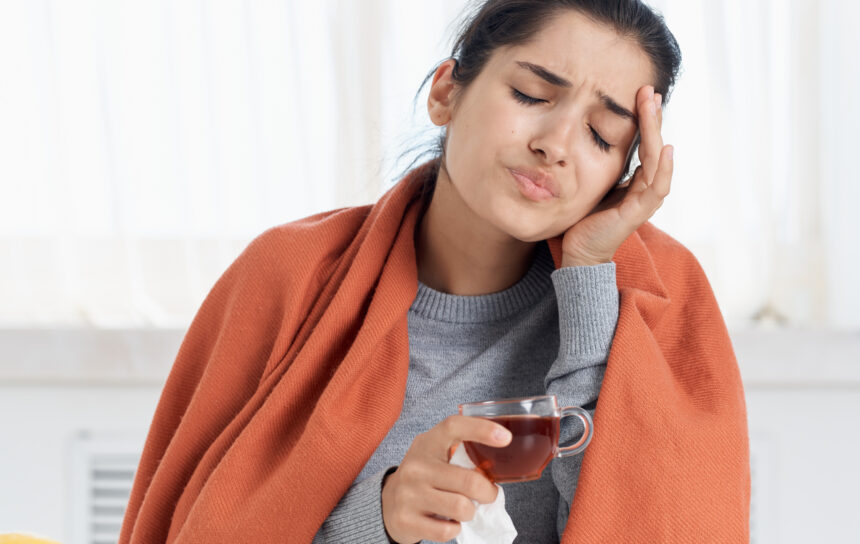
5. Frequent Headaches
Iron deficiency can contribute to recurring headaches in some people.
Although the exact cause is not fully understood, reduced oxygen delivery to the brain is believed to play an important role.
6. Cold Hands and Feet
Feeling unusually cold, especially in your hands and feet, may be another sign of iron deficiency.
Poor oxygen delivery can affect circulation and reduce the body’s ability to regulate temperature.
MUST READ : How to Start Exercising if You Have Never Worked Out Before
7. Brittle Nails
Iron deficiency may weaken the nails, making them thin, brittle, or prone to breaking.
In more advanced cases, the nails may become spoon-shaped, a condition known as koilonychia.
8. Hair Loss
Hair naturally sheds every day, but excessive hair loss or noticeable thinning may occur when iron levels become too low.
Because the body prioritizes essential organs during iron deficiency, hair growth may temporarily slow.
9. Difficulty Concentrating
Many women with iron deficiency report poor concentration, reduced productivity, memory problems, or “brain fog.”
The brain depends on a steady supply of oxygen to function efficiently, making adequate iron important for mental performance.
10. Rapid or Irregular Heartbeat
When oxygen levels are reduced, the heart may beat faster in an attempt to deliver more oxygen throughout the body.
Persistent palpitations, chest discomfort, or a racing heartbeat should always be evaluated by a healthcare professional.
11. Craving Non-Food Items
Some people with severe iron deficiency develop a condition known as pica.
This involves craving or eating non-food substances such as ice, clay, chalk, paper, or soil. Although the exact reason is unclear, pica is strongly associated with iron deficiency and should never be ignored.
12. Frequent Infections
Iron supports the normal functioning of the immune system.
Low iron levels may reduce the body’s ability to fight infections, causing some people to become ill more often.
Foods That Help Prevent Iron Deficiency
Excellent sources of iron include lean beef, liver, fish, chicken, eggs, beans, lentils, soybeans, spinach, ugu (fluted pumpkin), amaranth, kale, fortified breakfast cereals, and dried fruits such as raisins.
Plant-based sources of iron are absorbed less efficiently than animal sources, but eating them with foods rich in vitamin C—such as oranges, guava, tomatoes, bell peppers, or lemons—can significantly improve iron absorption.
Who Is Most at Risk?
Women with heavy menstrual bleeding, pregnant women, breastfeeding mothers, vegetarians or vegans who do not carefully plan their diets, women with digestive disorders such as coeliac disease or inflammatory bowel disease, and those who have had weight-loss surgery should pay particular attention to their iron intake and discuss their risk with a healthcare provider.
How Is Iron Deficiency Diagnosed?
A simple blood test can determine whether your iron levels are low. Healthcare providers may recommend blood tests such as a full blood count (FBC), haemoglobin level, serum ferritin, and other iron studies.
These tests help determine whether you have iron deficiency and whether it has progressed to anemia.
Your healthcare provider may also investigate the underlying cause, especially if the deficiency is severe or keeps returning.
Can Iron Deficiency Be Treated?
Yes. Most people recover well with the right treatment. Treatment depends on the cause and severity of the deficiency.
It may involve eating more iron-rich foods, taking prescribed iron supplements, treating heavy menstrual bleeding, or addressing conditions that interfere with iron absorption.
Iron supplements should only be taken under medical advice because excessive iron can be harmful.
When Should You See a Doctor?
Consult a healthcare professional if you experience ongoing fatigue, unexplained weakness, shortness of breath, dizziness, heavy menstrual bleeding, unusual cravings, or any other symptoms suggestive of iron deficiency. Early diagnosis and treatment can prevent complications and help restore your energy and well-being.
Final Thoughts
Iron deficiency is common among women, but it is not something you should simply accept as part of everyday life. Symptoms such as constant tiredness, pale skin, dizziness, hair loss, and difficulty concentrating may be your body’s way of telling you that it needs more iron.
The good news is that iron deficiency is often preventable and treatable. Eating a balanced diet, attending regular health check-ups, and seeking medical advice when symptoms appear can help maintain healthy iron levels and improve your quality of life.