

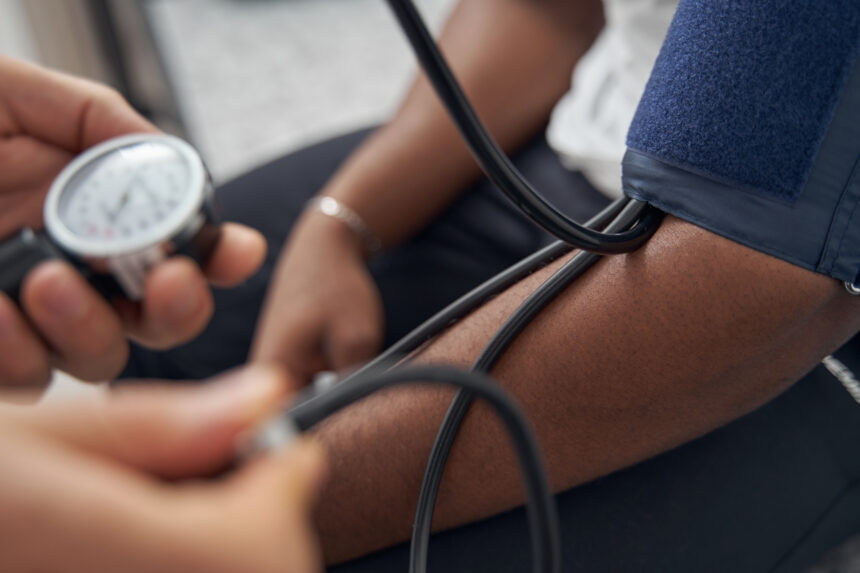
The American Heart Association and American College of Cardiology have updated their approach to managing high blood pressure. While the basic blood pressure categories remain the same, the new recommendations place greater emphasis on early action.
Introduction
Blood pressure is one of the most important numbers you can know about your health. It provides information about how strongly blood is pushing against the walls of your arteries and can help identify the risk of heart disease, stroke, kidney disease, and other serious health problems.
In August 2025, the American Heart Association and American College of Cardiology released a new high blood pressure guideline, replacing the previous 2017 guideline.
The updated recommendations reflect newer evidence and place greater emphasis on preventing cardiovascular disease before it becomes more serious.
One important point is that the new guideline does not say that normal blood pressure has changed from below 120/80 mmHg to 120/70 mmHg.
The AHA continues to classify a normal adult blood pressure as a systolic reading below 120 and a diastolic reading below 80.
However, there are important changes in how healthcare professionals are encouraged to manage elevated blood pressure and hypertension.
What Are the Current Blood Pressure Categories?
The AHA currently uses the following categories for adults:
1. Normal Blood Pressure
A normal blood pressure is less than 120/80 mmHg.
For example, a reading of 115/75 mmHg falls within the normal range.
2. Elevated Blood Pressure
Elevated blood pressure means the systolic reading is 120 to 129 mmHg, while the diastolic reading remains below 80 mmHg.
For example, 125/76 mmHg is considered elevated.
This does not mean that a person has hypertension, but it is a warning that blood pressure is moving above the optimal range.
3. Stage 1 Hypertension
Stage 1 hypertension is a systolic reading of 130 to 139 mmHg or a diastolic reading of 80 to 89 mmHg.
For example, 135/85 mmHg falls within Stage 1 hypertension.
4. Stage 2 Hypertension
Stage 2 hypertension is a systolic reading of 140 mmHg or higher or a diastolic reading of 90 mmHg or higher.
For example, 145/92 mmHg falls within Stage 2 hypertension.
5. Severe Hypertension
A blood pressure higher than 180/120 mmHg requires prompt medical attention. If it is accompanied by symptoms such as chest pain, shortness of breath, weakness, numbness, vision changes, back pain, or difficulty speaking, it may represent a hypertensive emergency and requires immediate emergency care.
MUST READ: Essential Vitamins and Minerals Every Man Needs for Better Health
So, What Has Actually Changed?
The biggest changes are related to treatment and prevention rather than completely changing the blood pressure categories.
The 2025 AHA/ACC guideline introduces several important recommendations that can affect how high blood pressure is identified and managed.
The Treatment Goal Is Below 130/80
One of the most important recommendations is the treatment goal for adults with hypertension.
The new guideline establishes below 130/80 mmHg as the overarching blood pressure treatment goal for adults, while recognizing that individual circumstances may require additional considerations.
This does not mean that everyone needs medication to achieve a reading below 130/80.
Instead, the goal is particularly relevant to people who have hypertension and are being treated to reduce their risk of heart disease, stroke, kidney disease, and other complications.
Treatment Decisions Now Consider Overall Cardiovascular Risk
The updated guideline places greater emphasis on a person’s overall risk of cardiovascular disease.
For some adults with an average blood pressure of 130/80 mmHg or higher, medication may be recommended earlier if they have cardiovascular disease, previous stroke, diabetes, chronic kidney disease, or a sufficiently high predicted cardiovascular risk.
For adults with lower cardiovascular risk, lifestyle changes may initially be recommended before medication is considered.
If blood pressure remains at or above 130/80 after several months of lifestyle changes, medication may then be considered.
This approach means that two people with the same blood pressure reading may not necessarily receive exactly the same treatment.
Lifestyle Changes Remain Extremely Important
The updated guideline strongly recommends lifestyle changes for preventing and managing high blood pressure.
These include maintaining a healthy weight, eating a heart-healthy diet, reducing sodium intake, increasing dietary potassium when appropriate, engaging in regular physical activity, managing stress, and reducing or avoiding alcohol.
Simple daily choices can therefore have a significant effect on blood pressure.
Eating more vegetables, fruits, beans, whole grains, and other nutrient-rich foods while reducing excessive salt and highly processed foods can support better cardiovascular health.
Home Blood Pressure Monitoring Is Becoming More Important
Checking your blood pressure at home can provide a better picture of your usual blood pressure.
Blood pressure can change throughout the day. Stress, physical activity, caffeine, pain, illness, and even being nervous in a medical setting can temporarily increase a person’s reading.
The updated AHA/ACC guideline emphasizes home blood pressure monitoring as an important tool for improving blood pressure control.
However, measurements need to be taken correctly.
Sit quietly with your back supported and your feet flat on the floor. Your arm should be supported at heart level, and you should remain still and quiet while the measurement is taken.
What About Smartwatches and Other Wearable Devices?
The AHA/ACC guideline advises against relying on cuffless devices, including smartwatches, for accurate blood pressure measurement until these devices demonstrate greater precision and reliability.
For people monitoring their blood pressure at home, a properly validated upper-arm blood pressure monitor remains a more appropriate choice.
Does 130/80 Mean You Have Hypertension?
Blood pressure can fluctuate considerably. A person may have a reading of 130/80 after physical activity or stress and a lower reading later when resting.
Healthcare professionals generally consider repeated and properly measured readings when determining whether someone has hypertension.
This is why keeping a blood pressure record over time can be useful.
What Should You Do If Your Blood Pressure Is 120 to 129?
If your systolic blood pressure consistently falls between 120 and 129 while your diastolic pressure remains below 80, it is considered elevated.
This is a good time to pay attention to your lifestyle. Regular physical activity, a healthy diet, maintaining a healthy weight, reducing excess sodium, managing stress, and avoiding tobacco can help prevent blood pressure from progressing to hypertension.
What Should You Do If Your Blood Pressure Is 130/80 or Higher?
If your readings consistently fall within Stage 1 or Stage 2 hypertension, speak with a healthcare professional.
Your healthcare provider may consider your age, medical history, cardiovascular risk, kidney health, diabetes status, previous cardiovascular events, and repeated blood pressure measurements before recommending a treatment plan.
Do not start, stop, or change blood pressure medication without professional guidance.
How Can You Protect Your Blood Pressure?
Regular exercise, eating more fruits and vegetables, reducing excessive salt, maintaining a healthy weight, getting adequate sleep, managing stress, avoiding tobacco, and limiting alcohol can all contribute to healthier blood pressure.
For people living with hypertension, these measures can work alongside prescribed medication to improve blood pressure control.
Final Thoughts
The latest American Heart Association and American College of Cardiology guideline does not change normal blood pressure to 120/70 mmHg. Normal blood pressure remains below 120/80 mmHg.
The major update is in how high blood pressure is prevented and treated. The current guideline emphasizes a treatment goal of below 130/80 mmHg, earlier intervention for people at higher cardiovascular risk, greater use of home blood pressure monitoring, and stronger attention to lifestyle changes.
The message is simple: do not wait until your blood pressure becomes very high before taking action.
Knowing your numbers, monitoring them correctly, maintaining healthy habits, and discussing persistent elevations with a healthcare professional can help protect your heart, brain, kidneys, and overall health for years to come.