

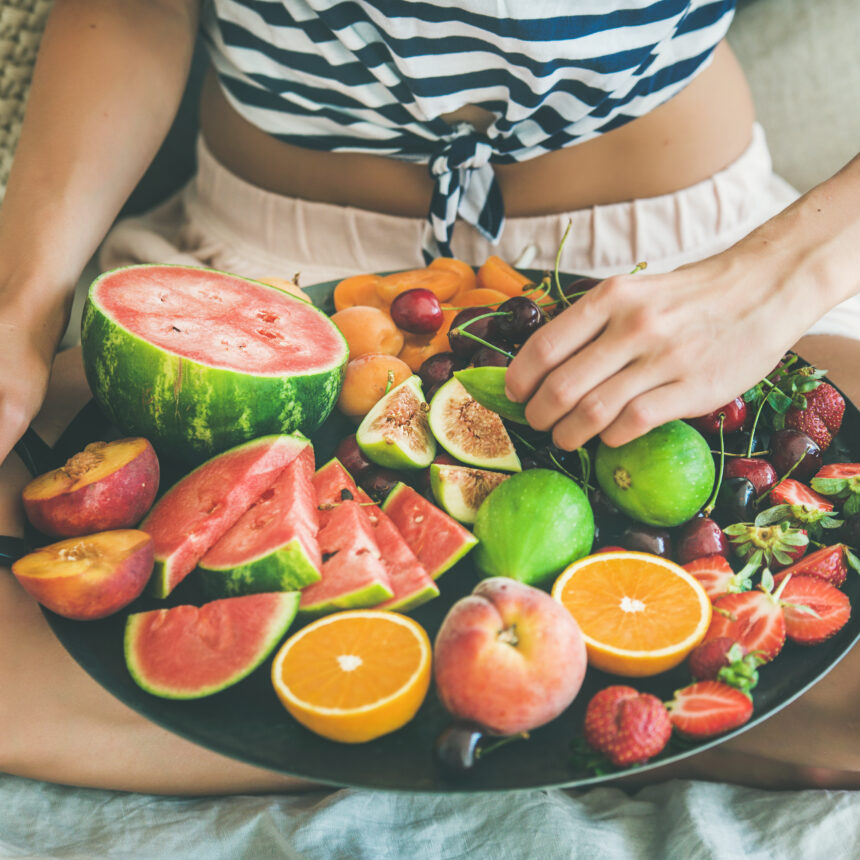
A bloated stomach can leave you feeling full, tight or uncomfortable, even when you have not eaten much. Certain fruits contain water, fibre and other nutrients that may support digestion and regular bowel movements, potentially helping to ease bloating.
Introduction
Have you ever eaten a meal and noticed that your stomach feels unusually full, swollen or tight afterwards? You may experience pressure in your abdomen, increased gas, frequent burping or a feeling that your clothes have suddenly become tighter. These symptoms are commonly associated with bloating.
Bloating can occur for several reasons, including constipation, swallowing air while eating, consuming large meals, food intolerances and digestive conditions such as irritable bowel syndrome (IBS).
In some cases, the discomfort results from gas accumulating in the digestive tract. In others, changes in bowel movements or the way the gut responds to food may be responsible.
Your diet can influence these symptoms. Some fruits provide water and fibre that help support normal bowel movements, while others contain natural sugars that may be fermented by gut bacteria and produce additional gas in sensitive individuals.
Although no fruit can guarantee immediate relief, choosing fruits that agree with your digestive system may help you manage occasional bloating.
10 Fruits That May Help Relieve a Bloated Stomach
Fruits can support digestive health by supplying fluids, fibre and beneficial plant compounds. The following options may help some people, particularly when bloating is associated with constipation or irregular bowel movements. Individual responses vary, so introduce changes gradually and pay attention to how your body reacts.
1. Papaya (Pawpaw)
Papaya, commonly called pawpaw in Nigeria, is a source of water, fibre and vitamin C. Its fibre can help support regular bowel movements, which may reduce bloating associated with constipation.
Papaya also contains an enzyme called papain, which helps break down proteins. However, evidence that eating papaya directly relieves bloating is limited, and the enzyme should not be viewed as a guaranteed treatment for digestive discomfort.
Enjoy a moderate serving of ripe pawpaw as part of a balanced diet. If you increase your fibre intake, do so gradually and drink enough water to avoid worsening gas or discomfort.
2. Pineapple
Pineapple contains water, fibre and vitamin C. It also contains bromelain, a group of enzymes that break down proteins.
Although bromelain has been studied for various health effects, there is limited evidence that eating pineapple reliably relieves stomach bloating. Nevertheless, a moderate serving can contribute to your daily fruit intake and hydration.
Fresh pineapple may suit some people, but larger portions can cause discomfort in others because of its acidity or individual digestive sensitivity. Start with a small serving and observe your response.
3. Kiwi
Kiwi is a nutrient-rich fruit that provides fibre, water and vitamin C. Research suggests that eating kiwi may help improve bowel regularity in some people, including those who experience constipation.
Because constipation can contribute to bloating, improving bowel movements may help reduce discomfort for some individuals. Kiwi also contains actinidin, an enzyme involved in protein digestion, although its precise contribution to relieving bloating is not fully established.
Try one or two kiwis, depending on your tolerance and dietary needs. If you have a known kiwi allergy, avoid it.
4. Oranges
Oranges contain a substantial amount of water, along with fibre and vitamin C. Eating the whole fruit rather than drinking only the juice provides more fibre, which supports normal bowel function.
Adequate fluid and fibre intake can help prevent constipation, a common contributor to bloating. Oranges are also easy to include as a snack between meals.
However, orange juice is less filling than whole oranges and may provide less fibre per serving. If citrus fruits trigger heartburn or stomach discomfort for you, choose another fruit that you tolerate better.
5. Bananas
Bananas provide fibre, potassium and carbohydrates that supply energy. Their fibre content can support bowel regularity, although the effect depends on the banana’s ripeness, the amount eaten and your overall diet.
Potassium is important for normal muscle and nerve function and helps maintain fluid balance in the body. However, bloating is not necessarily caused by excess body water, so bananas should not be considered a treatment for every type of abdominal swelling.
A small or medium banana may be a convenient snack. If you notice that bananas consistently increase your gas or discomfort, reduce the portion or try another fruit.
6. Strawberries
Strawberries provide water, fibre and vitamin C. They can contribute to hydration and help you meet your daily fibre needs without requiring a large serving.
For people who experience bloating after eating larger portions of certain fruits, a moderate serving of strawberries may be easier to tolerate. However, individual responses differ, and strawberries do not directly remove gas from the digestive tract.
Wash fresh strawberries thoroughly with safe drinking water before eating them. If they are unavailable or expensive, other fruits you tolerate well can provide similar general nutritional benefits.
7. Grapes
Grapes contain water and natural carbohydrates, making them a convenient fruit to eat between meals. Their fluid content can contribute to daily hydration, while eating them whole provides some fibre.
Grapes may be a comfortable option for some people who experience bloating after larger meals. However, they contain natural sugars that can cause gas or discomfort in some sensitive individuals, particularly when eaten in large quantities.
Try a modest portion rather than eating a large bowl at once. If grapes repeatedly trigger bloating, choose a different fruit.
8. Dragon Fruit
Dragon fruit, also known as pitaya, contains water, fibre and several micronutrients. Its fibre can support bowel regularity and may be useful when constipation contributes to abdominal discomfort.
However, increasing fibre too quickly can cause additional gas, particularly in people who are not accustomed to eating fibre-rich foods. It is therefore best to start with a moderate portion and increase intake gradually if tolerated.
Dragon fruit is not as readily available or affordable as some local fruits in many parts of Nigeria. Pawpaw, oranges and other accessible fruits can also support a balanced diet.
9. Ripe Guava
Guava is rich in fibre and vitamin C. Its fibre can help support regular bowel movements, which may be beneficial when bloating is linked to constipation.
However, guava is relatively fibre-rich, and eating a large quantity suddenly may increase gas in some people. The seeds and texture may also be uncomfortable for individuals with particular digestive sensitivities.
Start with a small serving and chew thoroughly. If guava consistently worsens your symptoms, there is no need to force yourself to eat it for digestive benefits.
10. Cantaloupe or Watermelon
Melons contain a high proportion of water and can contribute to hydration. Adequate fluid intake helps support normal digestion and can be particularly helpful when constipation is associated with insufficient fluid intake.
However, watermelon contains certain fermentable sugars that may trigger bloating in some people, particularly those with IBS or sensitivity to FODMAPs, which are carbohydrates that may be poorly absorbed in the small intestine.
Cantaloupe may be better tolerated by some people, depending on the serving size and individual sensitivity. Try a small portion and monitor your symptoms rather than assuming all melons will have the same effect.
MUST READ: Why Some People Gain Weight More Easily Than Others
How Should You Eat Fruits to Reduce Bloating?
Choosing a suitable fruit is only one part of managing bloating. How much you eat, how quickly you eat and your overall digestive health can also influence your symptoms.
Eat Moderate Portions
Eating a large quantity of fruit in one sitting can increase the amount of fibre and fermentable sugars entering your digestive system. In some people, this can lead to additional gas.
Start with modest portions and spread fruit intake throughout the day. If a particular fruit causes discomfort, reduce the quantity or temporarily avoid it.
Increase Fibre Gradually
Fibre supports bowel regularity, but suddenly increasing your intake can lead to gas and bloating. Introduce fibre-rich fruits gradually and give your digestive system time to adjust.
Drink enough fluids throughout the day, particularly when increasing fibre intake.
Choose Whole Fruits More Often
Whole fruits generally provide more fibre than strained juices. Fibre supports bowel movements and may help prevent constipation, which can contribute to bloating.
Fruit juice may still contribute to fluid intake, but large quantities can provide substantial amounts of natural sugar without the same fibre content as the whole fruit.
Eat Slowly
Eating too quickly can cause you to swallow more air, which may contribute to abdominal gas and discomfort. Take your time, chew food thoroughly and avoid rushing through meals.
Identify Your Personal Triggers
Not every fruit suits everyone. If you notice bloating after eating a particular fruit, record what you ate, the portion size and when the symptoms started.
A simple food diary may help you identify patterns. Avoid eliminating many foods at once without a clear reason, as unnecessary restrictions can make it harder to maintain a balanced diet.
Which Fruits Can Make Bloating Worse?
Some fruits contain fermentable carbohydrates that may cause gas, particularly in people with IBS or other digestive sensitivities.
Apples, pears, mangoes, cherries and watermelon may trigger symptoms in some individuals because of their carbohydrate composition. Large servings of dried fruit and fruit juice may also cause discomfort in susceptible people.
This does not mean these fruits are unhealthy or that everyone should avoid them. Many people can eat them without any problems. The effect often depends on portion size, the type of fruit and the individual’s digestive system.
If you have recurring bloating and suspect certain fruits are responsible, a healthcare professional or registered dietitian can help you identify suitable alternatives. People with IBS may benefit from professionally guided dietary approaches, such as a low-FODMAP diet, rather than following restrictive food lists indefinitely.
Other Ways to Reduce a Bloated Stomach
Fruits may help when bloating is related to constipation or dietary habits, but other measures can also make a difference.
Drink enough water. Adequate fluid intake supports digestion and helps fibre work effectively.
Stay physically active. Gentle walking can support normal bowel movement and may help some people feel more comfortable after meals.
Avoid very large meals. Eating smaller portions when necessary may help reduce discomfort, particularly if large meals trigger your symptoms.
Limit fizzy drinks if they trigger symptoms. Carbonated drinks can increase the amount of gas in the digestive tract.
Address constipation. If you regularly pass hard stools or strain during bowel movements, increasing fibre gradually, drinking adequate fluids and staying active may help. Persistent constipation may require medical assessment.
Consider food intolerances. Lactose intolerance and sensitivity to certain fermentable carbohydrates can cause bloating. If symptoms repeatedly follow particular foods, seek professional advice rather than removing major food groups unnecessarily.
When Should You See a Doctor About Bloating?
Occasional bloating after a meal is common and often improves without treatment. However, persistent or severe bloating should not automatically be blamed on food.
Seek medical advice if bloating occurs frequently, does not improve, or is accompanied by unexplained weight loss, persistent changes in bowel habits, blood in your stool, repeated vomiting or loss of appetite.
Seek urgent medical attention if you experience sudden, severe abdominal pain, a markedly swollen abdomen with inability to pass stool or gas, vomiting blood, or difficulty breathing.
These symptoms can indicate a condition that requires prompt assessment.
Final Thoughts
Fruits such as pawpaw, kiwi, oranges, bananas and strawberries can contribute to a balanced diet and provide water and fibre that support normal digestion. For people whose bloating is linked to constipation, improving bowel regularity may help ease discomfort.
However, no fruit works for everyone. Some fruits, including apples, pears, mangoes and watermelon, may worsen symptoms in people who are sensitive to particular fermentable carbohydrates.
The most useful approach is to choose fruits you tolerate well, eat moderate portions, increase fibre gradually and maintain adequate hydration. If bloating is persistent, severe or accompanied by warning signs, seek medical advice to identify the underlying cause rather than relying on fruit alone.