

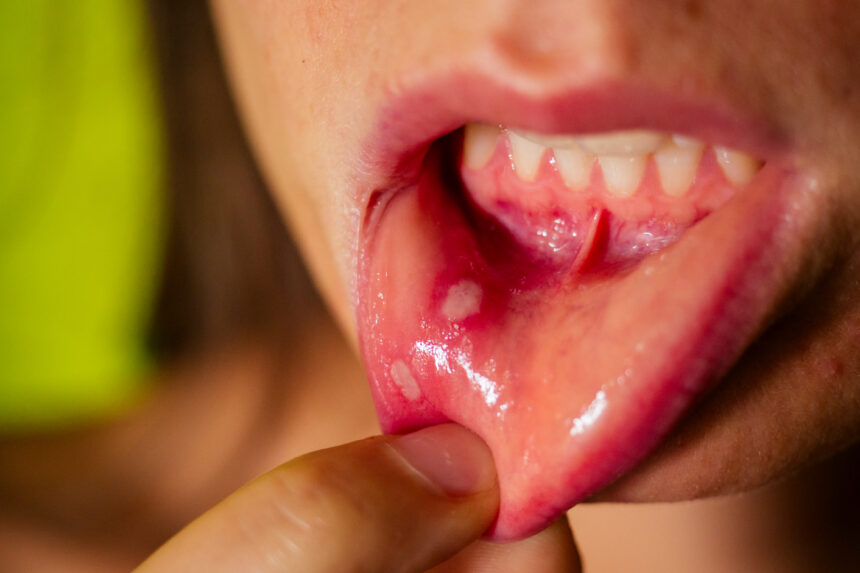
Do painful sores keep appearing inside your mouth, disappearing after a few days and returning weeks later? Recurring mouth ulcers can be linked to stress, nutritional deficiencies, mouth injuries, hormonal changes and certain medical conditions.
Introduction
Have you ever developed a painful sore inside your mouth, only for it to heal and return after a few weeks? Perhaps it appears on your tongue, inner cheek, lips or gums, making it uncomfortable to eat, drink, brush your teeth or speak.
Mouth ulcers are common, and most heal without serious complications. However, when they keep returning, they can become frustrating and may interfere with everyday activities.
Recurring mouth ulcers are sometimes called recurrent aphthous stomatitis. They usually appear as small, round or oval sores with a white or yellowish centre surrounded by a reddish area. Although the exact cause of the most common type is not fully understood, several factors can trigger or worsen outbreaks.
It is also important to understand that not every sore inside the mouth is an ordinary mouth ulcer. Some may be associated with infections, nutritional deficiencies or underlying health conditions.
So, what causes mouth ulcers to keep coming back, and when should you be concerned?
What Are Recurring Mouth Ulcers?
Recurring mouth ulcers are painful sores that repeatedly develop on the soft tissues inside the mouth. They may appear on the inner lips, cheeks, tongue or other areas of the oral lining.
The most common type is known as an aphthous ulcer or canker sore. These ulcers are generally not contagious, meaning they cannot be passed from one person to another through kissing, sharing cups or eating together.
Most minor aphthous ulcers heal within one to two weeks. However, some larger or more severe ulcers may take longer to disappear.
Recurring ulcers can develop in different patterns. Some people experience one sore at a time, while others develop several ulcers during the same outbreak.
8 Possible Reasons Your Mouth Ulcers Keep Coming Back
The reasons for recurring mouth ulcers differ from one person to another. In some cases, several factors may contribute to the problem, while the exact cause remains unknown.
Here are eight possible reasons to consider.
1. Nutritional Deficiencies
Not getting enough essential vitamins and minerals can contribute to recurring mouth ulcers in some people.
Deficiencies in iron, vitamin B12 and folate are particularly associated with recurrent oral ulceration. These nutrients support healthy blood production, cell development and the maintenance of tissues, including the lining of the mouth.
For example, iron deficiency can lead to anaemia, while vitamin B12 and folate deficiencies can affect the development of healthy cells. Some people with these deficiencies experience repeated mouth sores alongside other symptoms.
Other possible signs of nutritional deficiencies include persistent tiredness, weakness, pale skin, dizziness, a sore tongue and changes in appetite.
What to do: Eat a balanced diet containing foods rich in essential nutrients. In Nigeria, suitable options include beans, eggs, fish, meat, dark green vegetables and other varied foods. If ulcers keep returning, a healthcare professional may recommend blood tests to check for iron, vitamin B12 or folate deficiencies.
Avoid taking high-dose supplements without confirming whether you need them.
2. Stress and Lack of Sleep
Stress can affect the body in several ways, including sleep, appetite and immune function. Some people notice that mouth ulcers appear more frequently during periods of emotional pressure, anxiety or physical exhaustion.
Although stress does not explain every case of recurring mouth ulcers, it is a recognised possible trigger.
For example, someone going through work-related pressure, family difficulties, examinations or prolonged sleep deprivation may notice that ulcers develop during particularly stressful periods.
The relationship is not always straightforward, because stress may also lead to habits such as cheek biting, teeth grinding or neglecting oral hygiene.
What to do: Try to maintain a regular sleep schedule, take breaks when possible and find healthy ways to manage stress. Regular physical activity, relaxation techniques and adequate rest may help reduce some triggers.
If you notice a repeated connection between stressful periods and mouth ulcers, keeping a symptom diary may help you identify the pattern.
3. Accidental Injuries Inside the Mouth
Minor injuries to the soft tissues inside your mouth can trigger ulcers, particularly in people who are already prone to recurrent aphthous sores.
You may accidentally bite your cheek or tongue while eating. Brushing your teeth too aggressively can also irritate the oral tissues.
Other possible sources of injury include sharp or broken teeth, poorly fitted dentures, braces and rough dental fillings.
For example, if a sharp tooth repeatedly rubs against the inside of your cheek, it may cause a sore that struggles to heal until the irritation is corrected.
What to do: Use a soft-bristled toothbrush and avoid brushing too forcefully. If a sharp tooth, filling or dental appliance repeatedly injures your mouth, visit a dentist for assessment.
Do not attempt to file or adjust a tooth or dental appliance yourself.
4. Certain Foods and Food Sensitivities
Some people notice that particular foods trigger or worsen their mouth ulcers. Commonly reported triggers include acidic foods, spicy meals, chocolate, nuts, tomatoes and certain other foods. However, these foods do not cause ulcers in everyone, and individual reactions vary.
For example, someone who is prone to mouth ulcers may experience increased irritation after eating very spicy pepper soup, citrus fruits or acidic fruit juices.
It is important to distinguish between a food that irritates an existing ulcer and one that actually triggers a new outbreak. Both experiences are possible, but they are not the same.
What to do: Pay attention to foods that repeatedly cause discomfort or appear to trigger outbreaks. You can keep a food diary to identify possible patterns.
You do not need to eliminate nutritious foods unnecessarily. If a particular food consistently causes problems, consider reducing it and discussing persistent symptoms with a healthcare professional.
5. Hormonal Changes
Hormonal changes may influence the frequency of mouth ulcers in some individuals, particularly women.
Some women experience recurring mouth ulcers around their menstrual periods. Changes in hormone levels during the menstrual cycle may influence oral tissues and the body’s inflammatory responses.
However, not every woman experiences this, and hormonal changes are only one possible explanation for recurring ulcers.
What to do: If you notice that mouth ulcers regularly appear around the same time in your menstrual cycle, record when they develop and how long they last.
Discuss frequent or particularly painful outbreaks with a healthcare professional, especially if they occur alongside other unusual symptoms.
6. Certain Toothpastes and Oral Care Products
Some oral hygiene products contain ingredients that may irritate sensitive oral tissues in certain people.
One ingredient that has received attention is sodium lauryl sulphate (SLS), a foaming agent used in some toothpastes. Some studies and clinical observations suggest that SLS-containing toothpaste may worsen or increase the frequency of ulcers in susceptible individuals.
Mouthwashes containing irritating ingredients may also cause discomfort, particularly when the mouth is already sore.
However, not everyone who uses these products will develop ulcers.
What to do: If you suspect your toothpaste is contributing to recurring mouth ulcers, consider discussing a trial of an SLS-free toothpaste with your dentist. Choose a fluoride-containing product suitable for your needs, and avoid harsh products that repeatedly cause irritation.
7. Certain Medical Conditions
Recurring mouth ulcers can sometimes be associated with underlying medical conditions, particularly when they occur alongside other symptoms.
Examples include:
- Coeliac disease: An immune-related condition triggered by gluten that can damage the small intestine and interfere with nutrient absorption.
- Crohn’s disease: An inflammatory bowel disease that can affect different parts of the digestive system and sometimes cause mouth ulcers.
- Behçet’s disease: A rare inflammatory condition that can cause repeated mouth ulcers, genital ulcers and eye inflammation.
- Immune system disorders: Certain conditions that affect immune function may be associated with persistent or recurrent oral sores.
These conditions are not the most common explanation for ordinary mouth ulcers. However, they may need consideration when ulcers are frequent, severe or accompanied by other health problems.
What to do: Seek medical assessment if recurring mouth ulcers occur alongside persistent diarrhoea, unexplained weight loss, abdominal pain, genital sores, eye inflammation, joint swelling or repeated fever.
Identifying and treating an underlying condition may help reduce the frequency of ulcers.
8. Certain Medications
Some medicines can cause mouth ulcers or make them more likely to develop in susceptible individuals.
Certain non-steroidal anti-inflammatory drugs (NSAIDs), beta blockers and other prescription medicines have been associated with mouth ulceration. Some cancer treatments and medicines that affect the immune system can also cause painful sores in the mouth.
However, developing an ulcer while taking medication does not automatically mean the medicine is responsible.
What to do: If mouth ulcers started or became more frequent after you began taking a medication, speak with your doctor or pharmacist. They can assess whether the medicine may be contributing to the problem and discuss suitable alternatives if necessary.
Do not stop prescribed medication without professional advice.
MUST READ: Is Eating Late at Night Bad for Your Health?
Are All Mouth Ulcers the Same?
No. Although several mouth conditions can produce painful sores, they do not all have the same causes or require the same treatment.
Aphthous ulcers, commonly called canker sores, usually appear inside the mouth as shallow sores with a pale centre and red border. They are generally not contagious.
Cold sores, on the other hand, are caused by the herpes simplex virus. They commonly appear as clusters of small blisters on or around the lips, although herpes infections can also affect the inside of the mouth.
Other infections, including hand, foot and mouth disease, can cause mouth sores alongside symptoms such as fever and skin rashes.
This distinction matters because ordinary aphthous ulcers are not caused by herpes and should not automatically be treated as a viral infection.
If you are unsure what is causing a mouth sore, a dentist or healthcare professional can examine it and recommend appropriate treatment.
How Can You Reduce the Frequency of Mouth Ulcers?
Although it may not be possible to prevent every outbreak, certain habits can help reduce irritation and identify personal triggers.
Consider the following measures:
- Maintain good oral hygiene by brushing gently with a soft-bristled toothbrush.
- Eat a balanced diet containing iron, vitamin B12, folate and other essential nutrients.
- Avoid foods that repeatedly trigger or worsen your symptoms.
- Drink enough water and avoid allowing your mouth to become excessively dry.
- Get adequate sleep and develop healthy ways to manage stress.
- Visit a dentist if you have sharp teeth, rough fillings or dental appliances that irritate your mouth.
- Consider whether certain oral care products may be contributing to the problem.
- Keep a record of outbreaks, including when they occur, how long they last and any symptoms that accompany them.
If ulcers keep returning despite these measures, seek medical or dental assessment rather than repeatedly treating them without identifying the possible cause.
When Should You See a Doctor or Dentist?
Most ordinary mouth ulcers heal without medical treatment. However, recurring or persistent sores sometimes require further investigation.
Arrange an appointment with a dentist or healthcare professional if:
- A mouth ulcer lasts longer than three weeks.
- New ulcers keep appearing before previous ones have healed.
- The sores are unusually large, deep or painful.
- You have difficulty eating, drinking or swallowing.
- The ulcers bleed, become increasingly red or appear infected.
- You develop frequent ulcers alongside fever, unexplained weight loss or persistent digestive problems.
- You also experience genital ulcers, eye inflammation or unexplained joint pain.
A healthcare professional may examine your mouth, review your medical history and recommend blood tests to investigate possible nutritional deficiencies or underlying conditions.
A persistent mouth ulcer should not automatically be assumed to be harmless. Although most are not serious, a sore that does not heal needs proper assessment to rule out other causes, including oral cancer.
Final Thoughts
Recurring mouth ulcers can be uncomfortable and frustrating, especially when they interfere with eating, drinking and speaking. While the exact cause of recurrent aphthous ulcers is not always known, several factors may contribute, including nutritional deficiencies, stress, hormonal changes, mouth injuries, food sensitivities and certain medications.
The most important step is to pay attention to the pattern of your symptoms rather than assuming that every outbreak has the same cause.
Maintaining good oral hygiene, eating a balanced diet, getting enough rest and avoiding personal triggers may help reduce outbreaks. However, frequent, unusually painful or persistent ulcers should be assessed by a healthcare professional.