

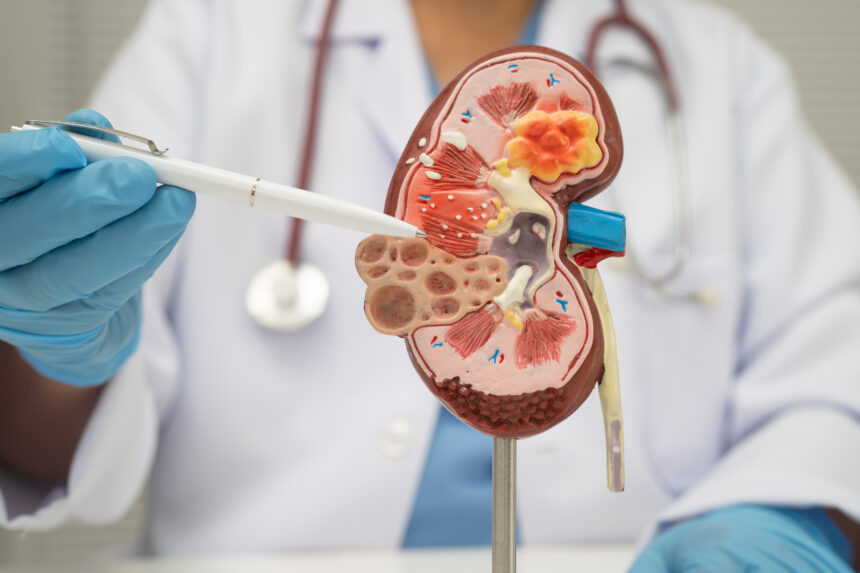
Kidney disease can develop quietly, and many people may have few or no symptoms in the early stages.
Introduction
The kidneys are two small but extremely important organs that work continuously to keep the body healthy. They filter waste and excess fluid from the blood, help control blood pressure, support red blood cell production, and help maintain the body’s balance of fluids and minerals.
When the kidneys become damaged, their ability to perform these functions can gradually decline.
One of the challenges with kidney disease is that early kidney damage may not cause obvious symptoms. A person can feel relatively healthy while kidney function is already beginning to decline.
This is why knowing the possible warning signs and understanding your risk factors is important.
What Is Kidney Disease?
Kidney disease refers to conditions that damage the kidneys or reduce their ability to function properly.
Chronic kidney disease, commonly called CKD, occurs when kidney damage or reduced kidney function persists over time.
Diabetes and high blood pressure are among the major causes of chronic kidney disease. Other causes include certain kidney diseases, infections, inherited conditions, kidney stones, and prolonged exposure to some medications or substances.
Kidney disease can progress slowly, and early detection provides an opportunity to identify the cause and take steps to slow further damage.
9 Early Warning Signs of Kidney Disease
These symptoms can have many different causes and do not automatically mean that someone has kidney disease. However, persistent or unexplained changes should be discussed with a healthcare professional.
1. Changes in Urination
Changes in how often you urinate or the amount of urine you produce can sometimes be associated with kidney problems.
You may notice that you are urinating more frequently, particularly at night, or that your urine output has decreased.
However, changes in urination can also result from drinking more fluids, medications, urinary tract problems, diabetes, or other conditions.
Persistent changes deserve medical evaluation.
2. Foamy or Frothy Urine
Healthy kidneys normally prevent significant amounts of protein from passing into the urine.
When the kidney’s filtering system becomes damaged, protein can leak into the urine. This is known as proteinuria.
Occasional bubbles are usually not a reason for concern, but urine that repeatedly appears unusually foamy or frothy should be checked.
A urine test can determine whether protein is present.
3. Blood in the Urine
Blood in the urine, known medically as haematuria, should not be ignored.
It can occur for several reasons, including urinary tract infections, kidney stones, certain medications, prostate problems, and kidney disease.
Sometimes blood is visible, making the urine appear pink, red, or brown. In other cases, it can only be detected through a laboratory test.
If you notice blood in your urine, seek medical evaluation rather than assuming that it will disappear on its own.
4. Swelling Around the Feet, Ankles, or Eyes
You may notice swelling around the ankles and feet, particularly later in the day.
Some people may also develop puffiness around the eyes.
Swelling can have many causes, including heart disease, liver disease, certain medications, and other conditions. Persistent unexplained swelling should therefore be evaluated.
5. Persistent Tiredness
Feeling tired after a busy day is normal. Persistent fatigue without an obvious explanation is different.
Advanced kidney disease can contribute to anaemia, a condition in which the blood does not carry enough oxygen around the body. This can result in tiredness, weakness, reduced concentration, and shortness of breath.
Fatigue is common and has many possible causes, so it cannot be used alone to diagnose kidney disease.
6. Nausea or Loss of Appetite
This can contribute to symptoms such as nausea, vomiting, poor appetite, and an unpleasant taste in the mouth.
These symptoms are generally more associated with more advanced kidney dysfunction rather than very early kidney disease.
Persistent nausea or unexplained loss of appetite should be assessed, particularly when other symptoms are present.
7. Muscle Cramps or Weakness
The kidneys help regulate minerals and electrolytes in the body.
When kidney function becomes significantly impaired, disturbances in these balances can contribute to muscle cramps, weakness, or other physical symptoms.
However, muscle cramps are extremely common and can also be caused by dehydration, exercise, medication, nutritional factors, or other conditions.
8. Difficulty Concentrating or Feeling Confused
As waste products accumulate in the blood, some people may experience difficulty concentrating, drowsiness, or confusion.
These symptoms are not typical of early kidney disease and may indicate significant illness.
Sudden confusion should always receive urgent medical attention because it can have many serious causes.
9. Shortness of Breath
Kidney disease can contribute to shortness of breath in several ways.
Fluid can accumulate in the body, including around the lungs, while kidney-related anaemia can reduce the blood’s ability to transport oxygen.
Shortness of breath has many possible causes, including heart and lung conditions.
Sudden or severe difficulty breathing requires urgent medical attention.
Who Is at Greater Risk of Kidney Disease?
Some people have a higher risk even when they feel completely healthy.
Important risk factors include:
Diabetes: High blood sugar over time can damage the kidneys.
High blood pressure: Uncontrolled blood pressure can damage the blood vessels that supply the kidneys.
Heart disease: Cardiovascular disease and kidney disease are closely connected.
Family history: Having close relatives with kidney disease can increase your risk of certain kidney conditions.
Older age: The risk of chronic kidney disease increases with age.
Previous kidney problems: A history of acute kidney injury or certain kidney conditions may increase future risk.
Because early kidney disease may not cause symptoms, people with significant risk factors may benefit from regular medical checks even when they feel well.
How Is Kidney Disease Detected?
A healthcare professional may use blood and urine tests to assess kidney health.
A blood test can measure creatinine, which is used to estimate how well the kidneys are filtering blood through a measurement called the estimated glomerular filtration rate, or eGFR.
A urine test can look for albumin, a type of protein. Persistent albumin in the urine can be an important sign of kidney damage.
Blood pressure measurement is also important because high blood pressure can both contribute to kidney disease and result from it.
Can Kidney Disease Be Prevented?
Keep blood pressure within the range recommended by your healthcare professional and manage diabetes effectively if you have it.
Eat a balanced diet with appropriate amounts of salt, remain physically active, maintain a healthy weight, avoid smoking, and drink an appropriate amount of fluid.
Be cautious about regularly using pain medicines such as non-steroidal anti-inflammatory drugs without medical advice, particularly if you have kidney problems or are at increased risk.
Regular health checks are especially important for people with diabetes, high blood pressure, or other kidney disease risk factors.
When Should You See a Doctor?
Speak with a healthcare professional if you repeatedly notice foamy urine, blood in your urine, persistent changes in urination, unexplained swelling, ongoing fatigue, or other unusual symptoms.
People with diabetes or high blood pressure should also discuss appropriate kidney screening with their healthcare professional, even when they feel healthy.
Seek urgent medical attention for severe shortness of breath, sudden confusion, very little or no urine, severe weakness, or other serious symptoms.
Final Thoughts
Kidney disease can develop gradually and may remain unnoticed for a long time. The absence of symptoms does not necessarily mean that the kidneys are healthy. Changes such as persistent foamy urine, blood in the urine, swelling, unusual changes in urination, and ongoing fatigue can sometimes signal a problem, although these symptoms can also have many other causes.
The best way to know how well your kidneys are functioning is through appropriate medical assessment, including blood and urine tests when indicated. If you have diabetes, high blood pressure, a family history of kidney disease, or another risk factor, regular health checks become even more important.
Protecting your kidneys starts with knowing your risk, paying attention to changes in your body, and checking your kidney health before a problem becomes advanced.