

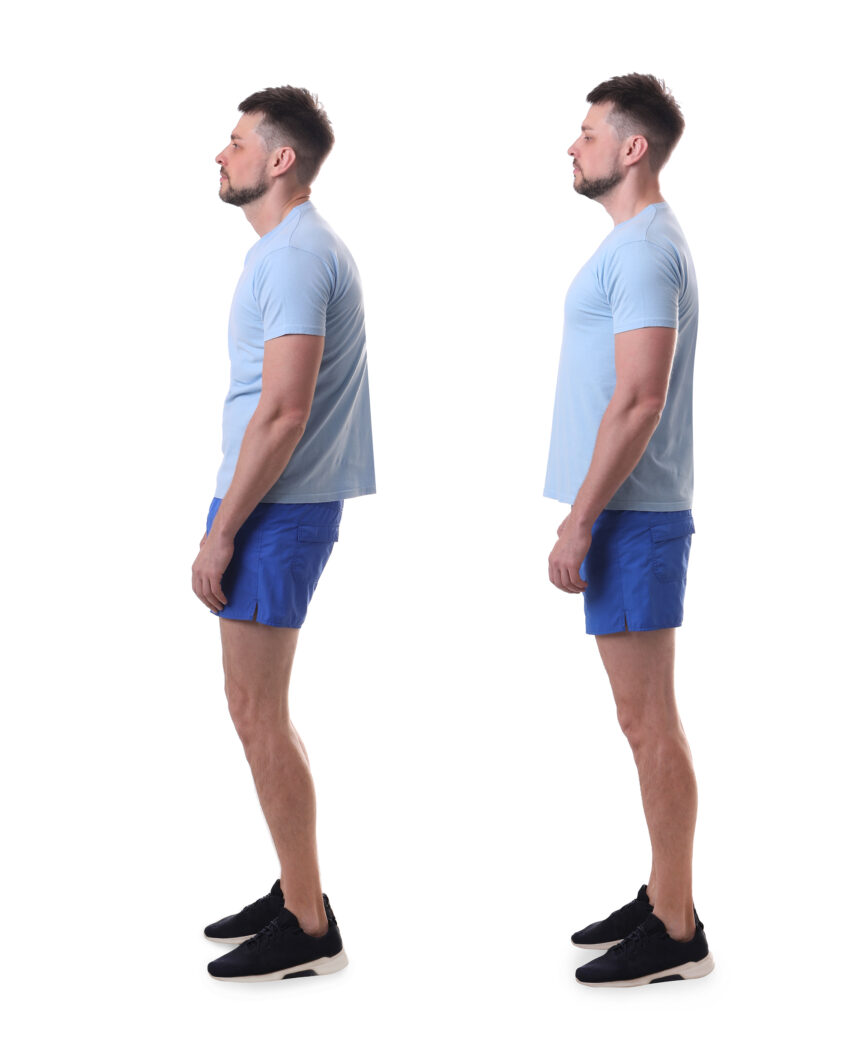
Good posture is more than standing up straight. It helps reduce back and neck pain, improves balance, supports healthy breathing, and boosts confidence.
Introduction
Modern lifestyles have made poor posture increasingly common. Many people spend hours sitting at desks, looking down at mobile phones, driving long distances, or watching television. Over time, these habits can lead to rounded shoulders, a forward head position, back pain, neck stiffness, and muscle weakness.
Poor posture does not only affect your appearance. It can also place unnecessary strain on your muscles, joints, and spine, making everyday activities more uncomfortable. In some cases, it can even affect breathing, balance, and flexibility.
Fortunately, posture can often be improved through regular exercise, stretching, and healthy daily habits.
Strengthening the muscles that support the spine and increasing flexibility can help your body maintain better alignment naturally.
What Is Good Posture?
When you have good posture, your ears, shoulders, hips, knees, and ankles are aligned in a way that places minimal stress on your muscles and joints.
Your spine maintains its natural curves, allowing your body to move efficiently while reducing the risk of pain and injury.
Good posture also helps your muscles work more effectively, reducing fatigue during daily activities.
Why Does Posture Matter?
Proper posture helps reduce pressure on the spine, improves balance, supports healthy breathing, enhances circulation, and reduces the risk of muscle strain.
It can also improve confidence, increase energy levels, and make physical activities easier to perform.
People with good posture often experience fewer headaches, less neck pain, and reduced lower back discomfort.
Signs of Poor Posture
Common signs include rounded shoulders, a forward head position, slouching while sitting, frequent neck or back pain, muscle tightness, uneven shoulders, and difficulty standing upright for long periods.
If left uncorrected, poor posture may contribute to chronic pain and reduced mobility over time.
Exercises That Improve Posture
The following exercises strengthen the muscles that support your spine while improving flexibility and balance.
1. Chin Tucks
Chin tucks help correct forward head posture, which is common among people who spend long hours looking at phones or computer screens.
Sit or stand upright with your shoulders relaxed. Gently pull your chin straight backward without tilting your head up or down. Hold the position for five seconds before relaxing. Repeat the movement ten times.
2. Wall Angels
Wall angels strengthen the upper back and shoulder muscles while improving shoulder mobility.
Stand with your back against a wall and bend your elbows to form a ninety-degree angle. Slowly raise and lower your arms while keeping your head, shoulders, and lower back in contact with the wall.
Perform ten to fifteen repetitions.
3. Shoulder Blade Squeezes
This exercise strengthens the muscles between your shoulder blades.
Sit or stand with your arms relaxed by your sides. Gently pull your shoulder blades together as though you are trying to hold a small object between them. Hold for five seconds before relaxing.
Repeat ten to fifteen times.
4. Plank
The plank strengthens your core muscles, which are essential for maintaining proper posture.
Begin on your forearms and toes with your body forming a straight line from your head to your heels. Tighten your abdominal muscles and avoid allowing your hips to sag.
Hold the position for twenty to sixty seconds, depending on your fitness level.
5. Cat-Cow Stretch
This gentle movement improves flexibility in the spine while relieving stiffness.
Begin on your hands and knees. Slowly arch your back upward while lowering your head, then gently lower your abdomen while lifting your chest and looking forward.
Repeat the movement ten to fifteen times using slow, controlled motions.
MUST READ: How Much Sleep Do Children Really Need?
6. Chest Stretch
Tight chest muscles often contribute to rounded shoulders.
Stand in a doorway and place your forearms against the door frame. Step forward gently until you feel a comfortable stretch across your chest. Hold the stretch for twenty to thirty seconds before relaxing.
Repeat two or three times.
7. Bird Dog Exercise
The bird dog exercise strengthens the muscles of the back, abdomen, and hips.
Begin on your hands and knees. Extend your right arm forward while simultaneously extending your left leg backward. Keep your back straight and your hips level.
Hold for a few seconds before returning to the starting position and repeating on the opposite side.
Perform ten repetitions on each side.
8. Glute Bridge
Strong gluteal muscles help support the pelvis and lower back.
Lie on your back with your knees bent and your feet flat on the floor. Tighten your abdominal muscles and lift your hips until your body forms a straight line from your shoulders to your knees.
Hold for a few seconds before lowering slowly. Repeat ten to fifteen times.
9. Child’s Pose
This gentle yoga stretch helps relax the back and improve spinal flexibility.
Kneel on the floor, sit back on your heels, and stretch your arms forward while lowering your chest toward the ground.
Hold the stretch for thirty seconds while breathing slowly and deeply.
10. Standing Back Extension
Standing back extensions help counteract the effects of prolonged sitting.
Stand upright with your feet shoulder-width apart and place your hands on your lower back. Slowly lean backward slightly while keeping your movements controlled.
Hold for a few seconds before returning to the starting position. Repeat eight to ten times.
Daily Habits That Support Good Posture
Adjust your chair so that your feet rest flat on the floor and your knees remain level with your hips. Keep your computer screen at eye level to reduce neck strain. Avoid looking down at your mobile phone for long periods by raising it closer to eye level.
If your work involves sitting for extended periods, stand up, stretch, and walk around every thirty to sixty minutes. Wearing supportive footwear and sleeping on a comfortable mattress can also contribute to better posture.
Common Mistakes That Can Worsen Posture
Slouching while sitting, carrying heavy bags on one shoulder, using electronic devices for long periods without breaks, wearing unsupportive footwear, and neglecting regular physical activity can all contribute to poor posture.
Ignoring persistent pain may also allow posture-related problems to become worse over time.
When Should You See a Healthcare Professional?
If you experience severe or persistent neck pain, back pain, numbness, tingling, weakness, or noticeable changes in your spinal alignment, consult a healthcare professional. A physiotherapist or other qualified healthcare provider can assess your posture and recommend appropriate treatment and exercises.
Final Thoughts
Good posture is essential for maintaining a healthy spine, reducing pain, and improving overall well-being. While years of poor posture cannot be corrected overnight, regular exercise combined with healthy daily habits can gradually strengthen the muscles that support proper alignment.
Remember that consistency is more important than perfection. Performing posture exercises several times each week, taking regular breaks from sitting, and being mindful of how you stand, sit, and move can make a significant difference over time.