

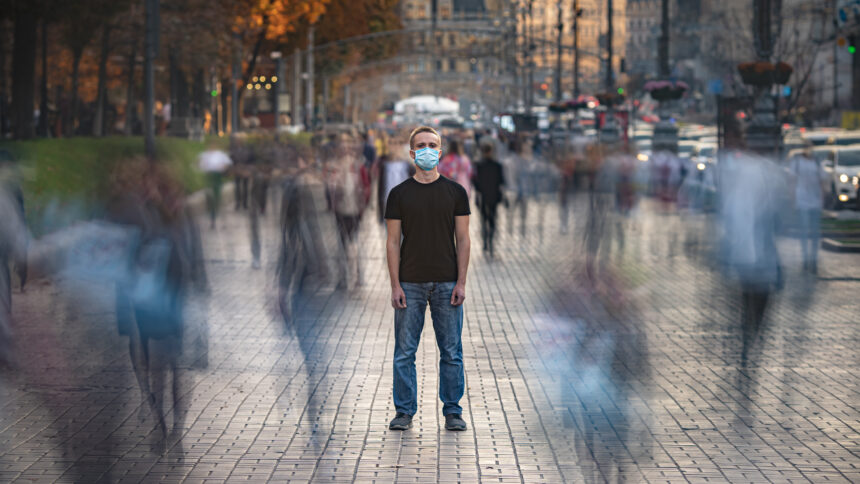
Social connection is an important part of overall wellbeing. Spending too much time without meaningful contact with other people can affect your mood, sleep, stress levels, physical health and even your long-term wellbeing.
Introduction
Human beings need connection. Family, friends, colleagues, neighbours, religious communities and other social groups can provide emotional support, companionship and a sense of belonging.
However, people can become socially isolated for many different reasons. Moving to a new place, working from home, illness, disability, financial difficulties, relationship problems, bereavement or simply losing touch with friends can gradually reduce social contact.
Being alone is not necessarily unhealthy. Some people enjoy spending time by themselves and may need periods of solitude to rest and recharge.
Social isolation becomes more concerning when a person has little meaningful contact with others and begins to experience negative effects on their wellbeing.
Understanding how social isolation can affect health is important because its effects are not limited to emotions.
What Is Social Isolation?
Social isolation refers to having limited social contact, relationships or interaction with other people.
It is different from loneliness. Social isolation describes a lack of social connection, while loneliness is the personal feeling of being alone or disconnected.
A person can have many people around them and still feel lonely. Another person may spend considerable time alone but feel content and socially connected.
The two can occur together, but they are not exactly the same.
How Social Isolation Can Affect Different Parts of Your Health
Social isolation can affect more than your emotions. Prolonged lack of meaningful social connection may influence your mental health, sleep, stress levels, physical activity, heart health, eating habits and overall wellbeing.
1. It Can Affect Mental Health
One of the most recognised effects of prolonged social isolation is its impact on mental wellbeing.
When people have limited opportunities to talk, share experiences or receive emotional support, they may become more vulnerable to feelings of sadness, loneliness, worry or hopelessness.
Social isolation does not automatically cause a mental health condition, but prolonged disconnection can contribute to emotional distress and may make existing difficulties harder to manage.
Having someone you can talk to regularly can provide an important source of emotional support.
2. It Can Increase Feelings of Loneliness
Being physically alone and feeling lonely are not the same thing.
However, when meaningful social contact becomes very limited, loneliness may become more likely. A person may begin to feel forgotten, unwanted or disconnected from the people around them.
These feelings can create a cycle. Someone who feels lonely may withdraw further from others, which can reduce opportunities for connection and make the loneliness worse.
Breaking this cycle may require small but consistent steps towards reconnecting with people.
3. It Can Affect Stress Levels
Healthy relationships can provide emotional support during difficult situations.
When a person lacks supportive relationships, everyday challenges may feel more difficult to manage. There may be fewer opportunities to talk through problems, receive encouragement or simply spend time with someone who provides comfort.
Long-term stress can affect several body systems, including the cardiovascular, digestive and immune systems.
This is one reason why maintaining meaningful social connections is part of a healthy lifestyle.
4. It Can Affect Sleep
Social isolation and loneliness can be associated with poor sleep.
A person who feels disconnected or worried may spend more time thinking about problems at night. This can make it difficult to fall asleep or stay asleep.
Poor sleep can then contribute to daytime tiredness, irritability and difficulty concentrating.
Creating a consistent sleep routine is important, but addressing the underlying emotional or social issues may also be necessary when loneliness is affecting sleep.
5. It Can Affect Physical Activity
Social isolation may indirectly reduce physical activity.
Someone who spends most of their time alone may have fewer reasons to leave home, participate in activities or exercise with other people.
Over time, becoming less physically active can affect fitness, muscle strength, weight management and cardiovascular health.
Joining a walking group, exercising with a friend or participating in community activities can combine physical activity with social interaction.
6. It May Affect Heart Health
Social isolation and loneliness have been associated with poorer cardiovascular health.
Several factors may contribute to this relationship, including chronic stress, reduced physical activity, poor sleep and unhealthy coping behaviours.
This does not mean that being alone directly causes heart disease. Rather, prolonged social disconnection can occur alongside several factors that influence cardiovascular health.
Eating a balanced diet, exercising regularly, managing blood pressure and avoiding tobacco remain important for heart health regardless of your social situation.
7. It Can Affect Eating Habits
Social isolation can change the way some people eat.
Some individuals may lose interest in preparing meals when they are eating alone all the time. Others may rely more heavily on convenience foods or eat more when they are bored, stressed or emotionally distressed.
Over time, these changes can affect nutrition and overall health.
Planning regular meals and keeping nutritious foods available can help. Sharing meals with family, friends or colleagues can also make eating more enjoyable and encourage regular meal patterns.
8. It Can Affect Brain Health
Social interaction involves communication, memory, attention, emotional regulation and problem-solving.
Regularly engaging with other people provides opportunities to use these mental skills. In older adults, persistent social isolation has been associated with poorer cognitive outcomes, although the relationship is complex and does not mean that isolation alone causes dementia.
Maintaining social activities alongside physical activity, adequate sleep and other healthy habits may support overall brain health.
9. It Can Affect Self-Esteem
Long periods without meaningful interaction can sometimes affect how a person sees themselves.
Someone who rarely receives encouragement, appreciation or positive feedback may begin to question their value or feel that they do not matter to others.
These feelings can become particularly difficult when combined with unemployment, bereavement, relationship problems or other major life changes.
Reconnecting with supportive people and participating in activities where you can contribute can help rebuild a sense of purpose and belonging.
10. It Can Affect Healthy Habits
People often influence one another’s behaviour.
Friends and family can encourage healthy activities such as exercising, eating well, attending medical appointments or reducing harmful habits. When someone becomes socially isolated, they may lose some of these positive influences.
On the other hand, isolation can sometimes make unhealthy coping behaviours more likely, including excessive alcohol use, smoking, poor eating habits or spending excessive time on screens.
Building a supportive routine can help replace some of these lost social influences.
MUST READ: How Anxiety Can Affect the Body
Why Social Connection Matters
Healthy social relationships can provide more than companionship.
They can give people emotional support, practical assistance, encouragement and a sense of belonging. A friend who checks on you, a family member who listens, a colleague who offers support or a community group that welcomes you can all contribute to wellbeing.
Social connection does not have to mean having a large circle of friends. Even a few meaningful relationships can be valuable.
How Can You Reduce Social Isolation?
You do not have to make dramatic changes immediately.
Start with one person you trust. Send a message, make a phone call or arrange a short visit. If you have lost touch with someone, a simple “How are you doing?” can be enough to reopen communication.
Consider activities that naturally bring people together. These could include religious gatherings, professional associations, exercise groups, community programmes, volunteering, classes or hobbies.
If leaving home is difficult, regular phone or video conversations can also provide connection. However, digital communication works best when it complements meaningful relationships rather than completely replacing real-world interaction.
For someone who has been isolated for a long time, small and consistent steps may be easier than trying to become highly social overnight.
What If You Prefer Being Alone?
Enjoying solitude is not necessarily a health problem.
Some people are naturally more private and feel comfortable spending considerable time alone. The important question is whether the situation is chosen and whether it is affecting your wellbeing.
If you are comfortable with your level of solitude, maintain healthy routines and still have meaningful relationships when you need them, there may be no reason to force yourself into constant social activity.
The concern is when isolation is unwanted, causes distress or prevents you from functioning normally.
When Should You Seek Help?
Consider speaking with a healthcare professional or mental-health professional if social isolation is accompanied by persistent sadness, severe anxiety, loss of interest in activities, significant sleep problems, hopelessness or difficulty managing everyday responsibilities.
If you are withdrawing from everyone because of emotional distress, professional support can help you understand what is happening and identify practical ways to reconnect.
If you are having thoughts of harming yourself or feel that you may not be safe, seek urgent help from a trusted person, a healthcare professional or an emergency service.
Final Thoughts
Social isolation is more than simply spending time alone. When meaningful human connection is consistently lacking, it can affect emotional wellbeing, sleep, physical activity, eating habits, stress and other aspects of health.
The solution does not necessarily require a large social circle. A few supportive relationships, regular communication and meaningful participation in family or community life can make a difference.
If you or someone you know has become increasingly isolated, do not assume that it is something that must simply be accepted. A phone call, visit, shared meal, community activity or conversation can be a small but important first step towards reconnecting.