

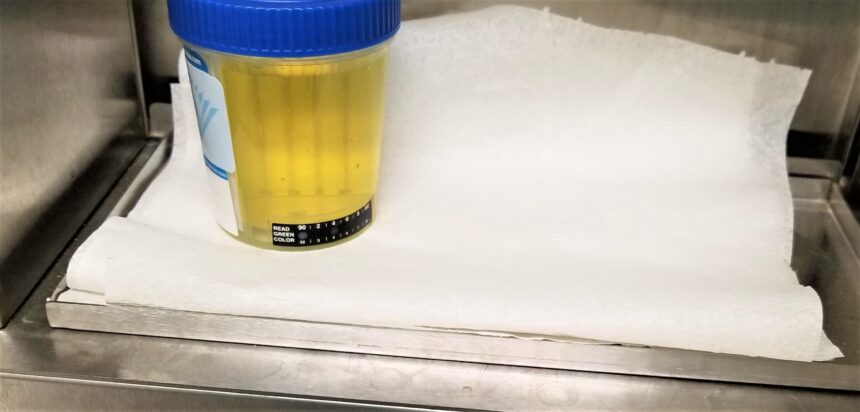
Foamy urine can sometimes happen because urine is hitting the toilet water quickly or because you are slightly dehydrated.
Introduction
Most people do not pay much attention to their urine until something looks different.
Changes in urine colour, smell, frequency, or appearance can sometimes provide clues about what is happening in the body. One change that may cause concern is urine that appears unusually foamy or bubbly.
Occasional bubbles in the toilet are usually not a reason to panic. They can result from the force of urination, dehydration, cleaning products in the toilet, or even simply the way urine mixes with the water.
However, persistent or increasingly foamy urine can sometimes be associated with protein in the urine, which may occur when the kidneys are not filtering properly.
Understanding the possible causes can help you know when it is harmless and when you should see a healthcare professional.
What Does Foamy Urine Look Like?
Foamy urine can range from a few bubbles to a noticeable layer of foam. A small amount of bubbles that disappear quickly is often harmless.
More concerning urine may look consistently frothy or foamy and may leave a layer of bubbles that does not disappear quickly.
The appearance alone cannot determine the cause. A urine test is often needed to find out whether there is an abnormal amount of protein or another substance in the urine.
8 Possible Causes of Foamy Urine
Foamy urine can have several causes, ranging from harmless changes to conditions that require medical attention.
1. You May Be Dehydrated
One of the simplest explanations for darker, concentrated urine is not drinking enough fluid.
When the body is dehydrated, urine becomes more concentrated. The stronger stream of concentrated urine can sometimes produce more bubbles or foam when it hits the toilet water.
You may also notice that your urine is darker yellow than usual.
Drinking adequate fluids throughout the day can help prevent dehydration. However, people with certain medical conditions may have specific fluid restrictions, so individual medical advice should be followed when applicable.
2. The Urine May Be Hitting the Water With Force
Sometimes the explanation is purely mechanical. A strong or fast urine stream can cause bubbles to form when urine hits the water in the toilet.
This is similar to what happens when water is poured quickly into a container. If the bubbles disappear quickly and there are no other symptoms, this is usually not concerning.
3. Cleaning Products in the Toilet May Cause Bubbles
Toilet cleaning products can sometimes react with urine or water and create bubbles or foam. If foamy urine appears only in a recently cleaned toilet, the cleaning product may be contributing to the appearance.
Observing your urine in a clean container or another toilet may help distinguish between actual foamy urine and bubbles caused by the toilet environment.
4. Protein in the Urine
Persistent foamy urine can sometimes be a sign of proteinuria. Healthy kidneys filter waste products from the blood while keeping important substances such as proteins in the bloodstream.
When the kidney’s filtering system becomes damaged, protein can leak into the urine. This condition is called proteinuria. Protein in the urine can sometimes cause urine to appear unusually foamy or frothy.
Proteinuria can have several causes, including kidney disease, diabetes, high blood pressure, infections, and certain temporary conditions. A urine test is needed to determine whether protein is actually present.
5. Kidney Disease
The kidneys play an important role in removing waste and excess fluid from the blood. Conditions that damage the kidneys can interfere with their ability to properly filter blood.
Persistent protein in the urine can be one of the early signs of kidney disease, sometimes appearing before a person develops obvious symptoms.
Other possible signs of kidney problems include swelling around the eyes or ankles, changes in urination, blood in the urine, fatigue, nausea, or changes in blood pressure.
Having foamy urine does not automatically mean that you have kidney disease, but persistent changes should be evaluated.
6. Diabetes
High blood sugar over time can damage the small blood vessels that filter blood in the kidneys.
Diabetes is one of the important risk factors for chronic kidney disease. Kidney damage related to diabetes can cause protein to leak into the urine.
This is why people living with diabetes are often advised to have their kidney health monitored regularly. If you have diabetes and notice persistent foamy urine, discuss it with your healthcare professional.
7. High Blood Pressure
High blood pressure can damage blood vessels throughout the body, including the delicate blood vessels in the kidneys.
Over time, uncontrolled hypertension can contribute to kidney damage and protein leakage into the urine.
This creates an important connection between blood pressure, kidney health, and changes in urine.
People with high blood pressure should follow their treatment plan and have their kidney function monitored as recommended by their healthcare professional.
8. Other Temporary Conditions
Not every increase in urinary protein means that permanent kidney damage is present. Temporary proteinuria can occur in some situations, including fever, intense physical exercise, dehydration, or certain illnesses.
In some people, protein may appear in the urine temporarily and disappear once the underlying situation resolves. This is one reason why healthcare professionals may repeat urine tests rather than making a diagnosis based on a single result.
MUST READ: Affordable Nigerian Foods Packed With Nutrients
When Should Foamy Urine Be a Concern?
Occasional bubbles that disappear quickly are usually less concerning. However, you should consider speaking with a healthcare professional if your urine is consistently foamy or frothy, particularly if the change persists over several days or keeps returning.
It is especially important to seek medical advice if foamy urine occurs together with swelling of the feet, ankles, hands, or around the eyes; blood in the urine; significantly reduced or increased urination; persistent fatigue; nausea; shortness of breath; or unexplained changes in weight.
People with diabetes, high blood pressure, or a known history of kidney disease should also take persistent changes in urine seriously.
How Is the Cause of Foamy Urine Diagnosed?
A healthcare professional may request a urinalysis to check for protein, blood, glucose, infection, and other abnormalities. A urine albumin-to-creatinine ratio may also be used to assess the amount of albumin in the urine.
Blood tests can be used to evaluate kidney function, including measurements related to creatinine and estimated glomerular filtration rate. Depending on the findings, additional investigations may be necessary.
Can You Prevent Foamy Urine?
However, several habits support overall kidney health. Drink an appropriate amount of water, eat a balanced diet, maintain a healthy weight, stay physically active, avoid excessive salt intake, and manage conditions such as diabetes and high blood pressure.
Avoid taking medications or supplements unnecessarily, particularly products that may affect kidney function. Regular health checks can also help identify high blood pressure, diabetes, or kidney problems before they become more advanced.
What Should You Do If You Notice Foamy Urine?
First, consider whether you may be dehydrated or whether the bubbles are simply caused by the force of urination or cleaning products in the toilet. Pay attention to whether the change continues.
If the urine remains consistently foamy, arrange an assessment with a healthcare professional. A simple urine test can provide much more useful information than trying to diagnose the problem based on appearance alone.
Final Thoughts
Foamy urine can have a simple explanation. Dehydration, a strong urine stream, and cleaning products in the toilet can all produce bubbles or foam. However, persistent foamy urine can sometimes indicate protein in the urine, which may be associated with kidney disease, diabetes, high blood pressure, or other conditions.
The important thing is not to panic over an occasional episode, but also not to ignore a persistent change. If foamy urine keeps occurring, especially when accompanied by swelling, blood in the urine, changes in urination, unusual tiredness, or other symptoms, speak with a healthcare professional.