

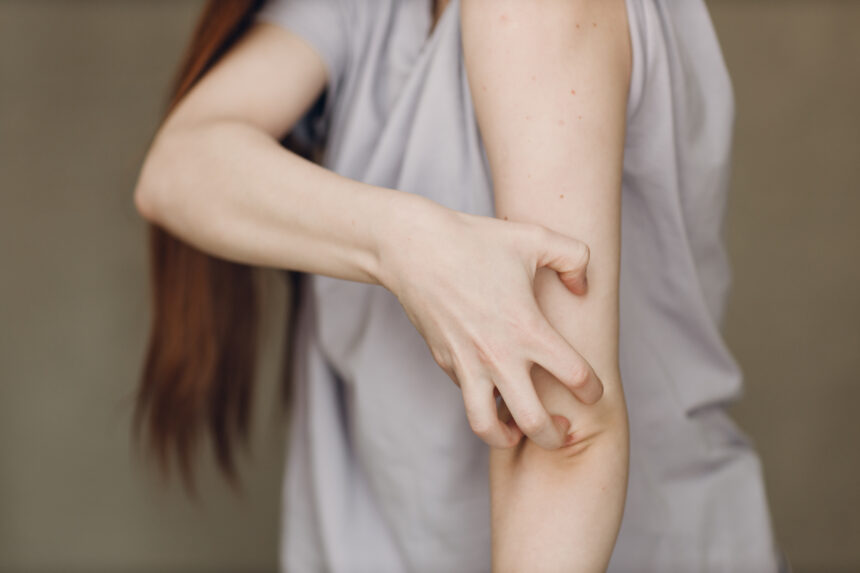
Taking a bath should leave your skin feeling clean and refreshed, but for some people, bathing is followed by an uncomfortable feeling of itching. This can happen for several reasons, ranging from dry skin and hot water to reactions to bathing products or an underlying skin condition.
Introduction
Have you ever finished bathing, dried yourself, and suddenly started scratching your arms, legs, back, or entire body?
Itchy skin after bathing is more common than many people realize. Sometimes the itching lasts only a few minutes and disappears on its own. In other cases, it may continue for several hours or happen after almost every bath.
The cause is not always the water itself. Your bathing routine, the temperature of the water, the soap or body wash you use, the condition of your skin, and even the quality of the water can contribute to itching.
While occasional itching is usually not a major concern, persistent or severe itching should not be ignored because it can sometimes be associated with a skin condition or another health problem.
Why Does Bathing Sometimes Make the Skin Itch?
The skin has a natural protective barrier made up of oils, fats, and other substances. This barrier helps keep moisture inside the skin and protects it from irritation.
Long, hot baths or showers can strip away some of these natural oils. When the skin becomes dry, tight, or irritated, the nerves in the skin can trigger an itching sensation.
The good news is that simple changes to your bathing routine can often make a significant difference.
8 Possible Reasons You Feel Itchy After Bathing
The cause of post-bath itching can vary from person to person. Here are eight common possibilities to consider.
1. Your Bath Water Is Too Hot
Hot water may feel relaxing, especially during cold weather, but it can be harsh on the skin.
Very hot water can remove natural oils from the skin and cause dryness and irritation. People with naturally dry or sensitive skin may notice itching more easily after a hot bath.
Try using lukewarm water instead of very hot water. A shorter bath or shower can also help protect the skin’s natural moisture barrier.
2. Your Skin Is Too Dry
Dry skin is one of the most common reasons people experience itching after bathing.
When the skin loses too much moisture, it can become rough, flaky, tight, and itchy. Frequent bathing, hot water, dry weather, air conditioning, and harsh soaps can make the problem worse.
Applying a fragrance-free moisturizer while the skin is still slightly damp after bathing can help lock in moisture.
3. Your Soap or Body Wash May Be Irritating Your Skin
The product you use to clean your body may be contributing to the problem.
Some soaps, body washes, fragrances, preservatives, and other ingredients can irritate sensitive skin or cause an allergic reaction. This may result in itching, redness, dryness, or a burning sensation.
If the itching started after changing your soap or body wash, consider stopping the new product and observing whether your symptoms improve.
Choose gentle, fragrance-free products if your skin is sensitive.
4. You May Be Scrubbing Your Skin Too Much
Many people believe that vigorous scrubbing makes the skin cleaner. However, excessive scrubbing can damage the skin’s protective barrier.
Rough sponges, brushes, exfoliating gloves, and aggressive scrubbing can irritate the skin, particularly when used every day.
You do not need to scrub your skin harshly to keep it clean. Gentle washing is usually sufficient for most areas of the body.
5. Your Water May Be Hard
The quality of the water coming from your tap may also play a role.
Hard water contains higher levels of minerals such as calcium and magnesium. Some people find that hard water leaves their skin feeling dry or irritated, particularly when combined with soap.
If you notice that your skin becomes itchy after bathing at home but feels better when bathing elsewhere, the water quality may be worth considering.
However, hard water is not the only possible explanation, and it does not cause itching in everyone.
6. You May Have Eczema or Another Skin Condition
Persistent itching after bathing may sometimes be associated with a skin condition such as eczema, psoriasis, or contact dermatitis.
Eczema can cause dry, itchy, inflamed, or cracked skin. Contact dermatitis can occur when the skin reacts to a substance such as soap, fragrance, detergent, or another product.
If itching is frequent, severe, or accompanied by redness, rashes, swelling, cracks, or sores, consider speaking with a healthcare professional or dermatologist.
7. Your Skin May Be Reacting to Temperature Changes
Moving quickly from a hot environment into a cooler environment, or from a cold environment into a hot bath, can cause changes in blood flow and skin temperature.
Some people may experience temporary itching or skin sensations during these changes.
In certain individuals, heat, sweating, or changes in body temperature can also trigger hives known as cholinergic urticaria. These may appear as small, itchy bumps after heat or physical activity.
If you regularly develop hives after bathing, seek medical advice to determine the cause.
8. The Itching May Have Another Medical Cause
Sometimes itching after bathing is not caused by the bath itself.
Persistent generalized itching without an obvious rash can occasionally be associated with medical conditions affecting organs such as the liver, kidneys, or thyroid. Certain medications can also cause itching.
This does not mean that every person who feels itchy after bathing has an underlying disease. However, unexplained itching that persists or becomes severe deserves medical evaluation.
MUST READ:Teeth Whitening Strips: Do They Really Work and Are They Safe?
How to Stop Feeling Itchy After Bathing
A few simple changes to your bathing routine may help reduce irritation and protect your skin.
1. Use Lukewarm Water
Avoid extremely hot water. Lukewarm water is generally gentler on the skin and less likely to remove excessive natural oils.
2. Keep Your Bath Short
Long baths and showers can increase exposure to water and cleansing products, which may contribute to dryness.
3. Use a Gentle Cleanser
Choose mild, fragrance-free soaps or cleansers, particularly if you have sensitive or dry skin.
4. Avoid Aggressive Scrubbing
Wash your skin gently rather than using excessive force with a sponge or exfoliating tool.
5. Moisturize Immediately After Bathing
Pat your skin gently with a towel instead of rubbing it vigorously. Apply a moisturizer while your skin is still slightly damp to help retain moisture.
6. Avoid Products That Trigger Itching
If a particular soap, body wash, lotion, perfume, or other product causes irritation, stop using it and see whether the symptoms improve.
When Should You See a Doctor?
Speak with a healthcare professional if your itching lasts for several weeks, becomes severe, affects your sleep, spreads across your entire body, or occurs without an obvious cause.
You should also seek medical advice if itching is accompanied by significant swelling, difficulty breathing, widespread hives, yellowing of the eyes or skin, unexplained weight loss, fever, severe fatigue, or other unusual symptoms.
Sudden itching accompanied by difficulty breathing or swelling of the lips, tongue, or throat can indicate a serious allergic reaction and requires emergency medical attention.
Final Thoughts
Feeling itchy after bathing can be uncomfortable, but it does not always mean that something is seriously wrong. In many cases, the problem is related to hot water, dry skin, harsh soaps, excessive scrubbing, or other parts of your bathing routine.
Start by making simple changes such as using lukewarm water, taking shorter baths, choosing gentle cleansers, avoiding aggressive scrubbing, and moisturizing immediately after bathing.
However, if the itching is persistent, severe, widespread, or accompanied by other symptoms, do not simply continue scratching and hoping it will disappear. A healthcare professional can help determine the underlying cause and recommend appropriate treatment.