

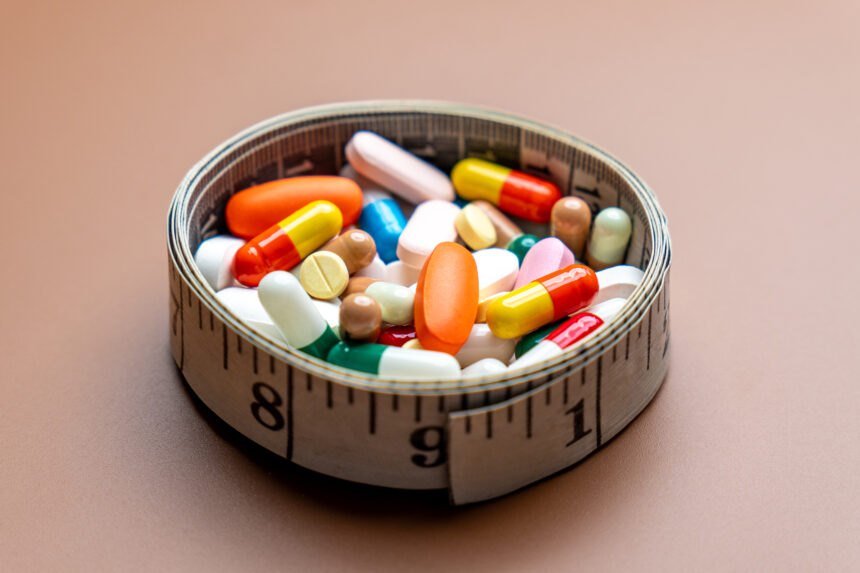
The desire to lose weight quickly has led many people to turn to slimming pills and other weight-loss medications.
Introduction
Losing weight is a goal shared by millions of people. Whether the motivation is improving health, boosting confidence, or reducing the risk of chronic diseases, many individuals are eager to see fast results.
Unfortunately, this desire for quick weight loss has created a huge market for slimming pills, herbal mixtures, appetite suppressants, and other products that promise dramatic changes in a short time.
Advertisements often claim that these products can melt away fat without diet or exercise. However, the reality is often very different.
Some weight-loss medications are approved by healthcare authorities and can be effective for certain individuals when prescribed appropriately. Others may be unregulated, counterfeit, or used incorrectly, putting users at significant risk.
Understanding the potential dangers of taking weight-loss medications without professional guidance can help you make safer decisions about your health.
What Are Weight-Loss Medications?
Some medications work by reducing hunger, making people feel full sooner, or slowing digestion. Others decrease the absorption of dietary fat. These medications are typically intended for people who are overweight or obese and who may also have weight-related health conditions.
Because these drugs can have significant effects on the body, they should be used according to medical advice rather than as a quick fix for cosmetic weight loss.
Why Do People Misuse Weight-Loss Medications?
Many people misuse weight-loss medications because they want to lose weight quickly, feel pressure from social media or beauty standards, become frustrated after unsuccessful dieting attempts, receive recommendations from friends instead of healthcare professionals, or purchase products online without knowing their ingredients.
These factors can lead individuals to take medications that are unnecessary, unsafe, or inappropriate for their health condition.
Potential Dangers of Taking Weight-Loss Medications Improperly
Weight-loss drugs can affect multiple organs and body systems, which is why caution is essential.
1. Heart Problems
Some weight-loss medications can increase heart rate and blood pressure. In susceptible individuals, this may raise the risk of palpitations, chest discomfort, irregular heart rhythms, or other cardiovascular complications.
People with existing heart disease should be especially careful and seek medical advice before using any weight-loss drug.
2. High Blood Pressure
Certain appetite suppressants stimulate the nervous system and may cause blood pressure to rise. This can be dangerous for people who already have hypertension or other cardiovascular risk factors.
3. Digestive Problems
Weight-loss medications may cause nausea, vomiting, diarrhea, constipation, stomach pain, bloating, and other digestive side effects. These symptoms can sometimes become severe enough to interfere with daily life.
4. Nutrient Deficiencies
Some products reduce the absorption of dietary fat. While this may contribute to weight loss, it can also interfere with the absorption of important fat-soluble vitamins such as vitamins A, D, E, and K. Over time, inadequate nutrient intake may negatively affect overall health.
5. Dehydration
Certain slimming products cause increased urination or diarrhea, leading to excessive fluid loss. Dehydration can result in dizziness, weakness, headaches, and, in severe cases, serious medical complications.
6. Anxiety and Sleep Disturbances
Some weight-loss medications contain stimulant ingredients that can cause nervousness, restlessness, irritability, tremors, and difficulty sleeping. Poor sleep may further complicate weight management and overall health.
7. Dependence and Misuse
People may become psychologically dependent on slimming products, believing they cannot control their weight without them. This can lead to prolonged or excessive use beyond recommended doses, increasing the risk of harmful side effects.
8. Dangerous Drug Interactions
Weight-loss medications may interact with other medicines used for conditions such as high blood pressure, diabetes, depression, and heart disease. Combining medications without professional supervision can sometimes lead to serious complications.
9. Liver and Kidney Damage
Some unregulated herbal and slimming products have been linked to liver injury and kidney problems. Because the liver and kidneys help process and eliminate substances from the body, harmful ingredients can place significant strain on these organs.
10. Weight Regain After Stopping the Medication
Many people experience weight gain after discontinuing weight-loss medication, especially if healthy eating and physical activity habits were not developed during treatment. Sustainable weight management requires long-term lifestyle changes rather than relying solely on a pill.
MUST READ: Common Health Myths You Should Stop Believing
The Danger of Unregulated Slimming Products
In many countries, including Nigeria, some slimming teas, capsules, and herbal mixtures are sold without adequate regulation.
These products may contain undisclosed pharmaceutical ingredients, excessive stimulants, contaminated substances, or inaccurate labeling. Because consumers often do not know exactly what they are taking, the risk of harm can be significant.
Before purchasing any weight-loss product, it is wise to verify whether it has been approved by the appropriate regulatory authorities and to discuss its use with a healthcare professional.
Are All Weight-Loss Medications Bad?
Healthcare providers may prescribe weight-loss medications for certain individuals who meet specific medical criteria.
When properly prescribed and monitored, these medications can help support weight loss and improve health outcomes.
However, they are not suitable for everyone and should be viewed as part of a broader treatment plan that includes healthy eating and regular physical activity.
Safer Ways to Lose Weight
Eating a balanced diet rich in vegetables, fruits, whole grains, beans, lean proteins, and healthy fats provides the nutrients your body needs while helping control calorie intake.
Regular physical activity, including walking, cycling, dancing, and strength training, helps burn calories and improve overall fitness.
Getting enough sleep, managing stress, drinking plenty of water, and practicing portion control are also important strategies for maintaining a healthy weight.
These habits may produce slower results than fad products, but they are far more likely to lead to lasting success.
When Should You Talk to a Doctor?
Consider speaking with a healthcare provider if you have obesity or significant excess weight, have difficulty losing weight despite lifestyle changes, have conditions such as diabetes or high blood pressure, are considering taking a weight-loss medication, or experience unusual symptoms while using a slimming product.
A healthcare professional can evaluate your individual situation and recommend the safest and most effective approach.
Final Thoughts
The desire to lose weight quickly is understandable, but taking weight-loss medications without proper medical advice can expose you to serious health risks.
While some prescription medications have an important role in treating obesity, unregulated products, self-medication, and unrealistic expectations can lead to complications involving the heart, digestive system, liver, kidneys, and mental well-being.
Healthy weight loss is usually achieved through balanced nutrition, regular exercise, adequate sleep, stress management, and consistency.
Instead of chasing quick results, focus on building habits that improve your health for years to come. Your goal should not only be a smaller number on the scale, but also a stronger, healthier body and a better quality of life.