

Good blood circulation is essential for delivering oxygen and nutrients throughout the body. Including certain nutrient-rich foods in your daily diet may help support healthy blood vessels, improve cardiovascular health and promote normal blood flow.
Introduction
Blood circulation is one of the most important processes in the human body. Every day, the circulatory system transports oxygen, nutrients and hormones to different organs and tissues while helping remove waste products.
From the brain and heart to the kidneys, muscles and skin, every part of the body depends on an adequate supply of blood to function properly.
However, certain lifestyle habits and health conditions can affect blood circulation. High blood pressure, diabetes, high cholesterol, smoking, physical inactivity and unhealthy eating habits can contribute to damage or narrowing of blood vessels, making it more difficult for blood to flow normally.
One way to support healthy circulation is through a balanced diet containing foods rich in antioxidants, fibre, healthy fats, vitamins and minerals.
Although no single food can cure poor circulation or clear blocked arteries, certain foods provide nutrients that support blood vessel function and overall heart health.
10 Foods That Can Help Support Healthy Blood Circulation
The following foods contain nutrients that may support blood vessel health, help maintain healthy blood pressure and contribute to better cardiovascular function.
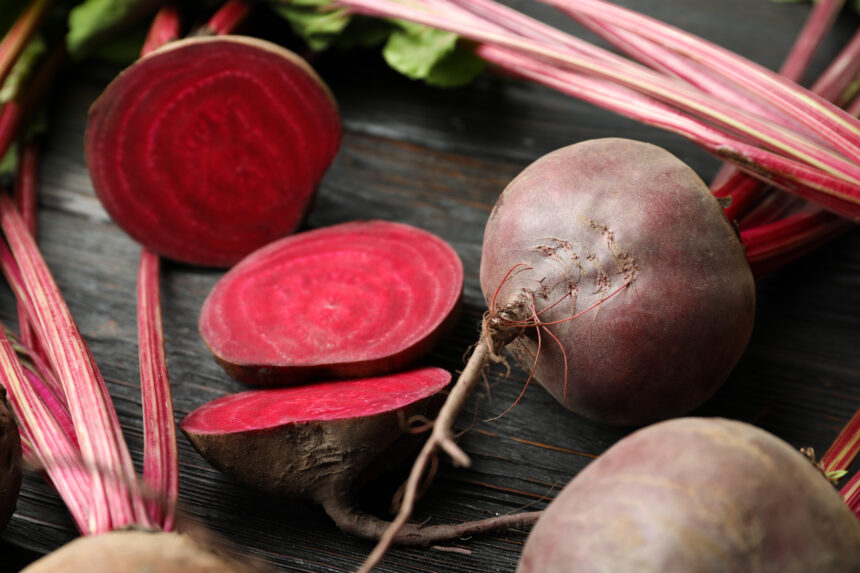
1. Beetroot
Beetroot contains natural compounds called nitrates, which the body can convert into nitric oxide. Nitric oxide helps relax blood vessels, allowing blood to flow more easily and potentially supporting healthy blood pressure.
Including beetroot in your diet may therefore benefit cardiovascular health. You can eat it raw in salads, cook it as a vegetable or blend it into a smoothie without adding excessive sugar.
2. Fatty Fish
Fatty fish such as salmon, sardines, mackerel and tuna contain omega-3 fatty acids. These healthy fats help support cardiovascular health by reducing blood triglyceride levels and supporting normal blood vessel function.
Omega-3 fatty acids may also help regulate inflammation in the body. In Nigeria, fish such as sardines, mackerel and other oily fish can be practical options for including these nutrients in everyday meals.
3. Garlic
Garlic contains sulphur-containing compounds, including allicin, which have been studied for their potential cardiovascular benefits. Some research suggests that garlic preparations may help produce modest improvements in blood pressure and cholesterol levels in certain people.
Adding fresh garlic to soups, stews, sauces and vegetable dishes is an easy way to include it in your meals. However, garlic should not replace prescribed medication for high blood pressure or cholesterol.
4. Spinach and Other Leafy Green Vegetables
Leafy green vegetables such as spinach, ugu (fluted pumpkin leaves), kale and lettuce provide nutrients that support cardiovascular health.
Many leafy greens contain dietary nitrates, which can help the body produce nitric oxide. They also provide potassium, folate, vitamin C and antioxidants that support normal blood vessel function.
Including leafy vegetables regularly in soups, salads and other meals can contribute to a heart-healthy eating pattern.
5. Citrus Fruits
Oranges, lemons, grapefruits and tangerines are rich in vitamin C, an antioxidant that helps protect cells from oxidative damage. Vitamin C also contributes to normal collagen formation, which is important for maintaining healthy blood vessels.
Citrus fruits provide fibre when eaten whole, particularly when the pulp is consumed. Eating whole oranges or tangerines is generally preferable to drinking large quantities of fruit juice because whole fruits provide more fibre and are more filling.
6. Watermelon
Watermelon contains a natural amino acid called citrulline, which the body can use to produce arginine, another amino acid involved in nitric oxide production.
Nitric oxide helps blood vessels relax, supporting normal blood flow. Watermelon also has a high water content, making it a refreshing fruit that contributes to daily fluid intake.
However, eating watermelon alone will not correct poor circulation. It is best included as part of a varied, balanced diet.
7. Nuts and Seeds
Almonds, walnuts, groundnuts, chia seeds, flaxseeds and pumpkin seeds contain nutrients that support cardiovascular health.
They provide healthy unsaturated fats, fibre, magnesium and antioxidants. Walnuts and flaxseeds also contain plant-based omega-3 fatty acids, while pumpkin seeds provide magnesium, which contributes to normal muscle and nerve function.
Choose unsalted nuts and seeds where possible, as excessive sodium intake can contribute to high blood pressure.
8. Tomatoes
Tomatoes contain lycopene, a powerful antioxidant that gives them their red colour. Lycopene has been studied for its potential role in supporting cardiovascular health and protecting cells from oxidative stress.
Tomatoes also provide vitamin C and potassium. They can be eaten fresh in salads or included in soups, stews and sauces.
Cooking tomatoes with a small amount of healthy oil can improve the body’s absorption of lycopene.
9. Avocados
Avocados are rich in monounsaturated fats, fibre and potassium. These nutrients can contribute to healthy cholesterol levels and blood pressure when included in an overall balanced diet.
Potassium helps regulate the effects of sodium and supports normal muscle function, including the muscles involved in controlling blood vessel activity.
You can eat avocado on its own, add it to salads or serve it with meals. Because it is energy-dense, moderate portions are suitable for most people.
10. Dark Chocolate
Dark chocolate containing a high percentage of cocoa provides flavanols, plant compounds that have been studied for their effects on blood vessel function.
These compounds may help support nitric oxide production and improve the ability of blood vessels to relax. However, the potential benefits depend on the cocoa content and the overall amount consumed.
Choose dark chocolate with a high cocoa percentage and consume it in moderation. Some products contain considerable amounts of added sugar, fat and calories, so dark chocolate should not be treated as a medicine for poor circulation.
MUST READ: What Causes Recurring Mouth Ulcers? 8 Possible Reasons You Should Know
Other Lifestyle Habits That Help Support Healthy Blood Circulation
Although diet plays an important role, healthy blood circulation depends on more than the foods you eat. Your daily habits can also influence the condition of your heart and blood vessels.
Some useful practices include:
Exercise regularly: Walking, cycling, swimming and other physical activities help support cardiovascular fitness and circulation. Adults should generally aim for at least 150 minutes of moderate-intensity physical activity each week, where medically appropriate.
Avoid smoking: Smoking damages blood vessels, reduces oxygen delivery and increases the risk of cardiovascular disease. Avoiding tobacco and secondhand smoke is important for protecting circulation.
Drink enough water: Adequate hydration helps maintain normal blood volume. Fluid requirements vary depending on age, activity, weather and health conditions.
Limit excessive salt intake: Eating too much salt can increase blood pressure, placing additional strain on the heart and blood vessels.
Manage blood sugar and cholesterol: High blood sugar and unhealthy cholesterol levels can damage blood vessels over time. Regular health checks can help identify problems early.
Avoid sitting for too long: If you spend many hours sitting, take regular movement breaks. Walking briefly and moving your legs can help support blood flow, particularly in the lower limbs.
Maintain a healthy weight: Managing excess body weight can help reduce the risk of high blood pressure, diabetes and other conditions that affect cardiovascular health.
Signs That May Suggest Poor Blood Circulation
Poor circulation can affect different parts of the body, particularly the hands, feet and legs. However, these symptoms can also occur because of other medical conditions, so they should not be used to make a diagnosis.
Possible signs include:
- Cold hands or feet, even in a warm environment.
- Numbness, tingling or unusual sensations in the arms or legs.
- Leg pain or cramping during walking that improves with rest.
- Swelling in the feet or ankles.
- Slow-healing wounds, particularly on the feet.
- Changes in skin colour or temperature in the affected area.
Sudden severe pain, a cold or pale limb, new weakness or numbness, or sudden difficulty speaking requires emergency medical attention. Chest pain and sudden shortness of breath also require urgent assessment.
If you experience persistent symptoms, consult a healthcare professional to identify the underlying cause. Conditions such as peripheral artery disease, diabetes, blood clots and heart problems may require specific treatment.
Final Thoughts
Healthy blood circulation is essential for the proper functioning of every organ and tissue in the body. While certain foods cannot independently treat circulation problems, including nutrient-rich options such as beetroot, fatty fish, leafy vegetables, citrus fruits, nuts, tomatoes and avocados can help support cardiovascular health.
The most effective approach is to combine a balanced diet with regular physical activity, adequate hydration, avoiding smoking and managing conditions such as high blood pressure and diabetes.