

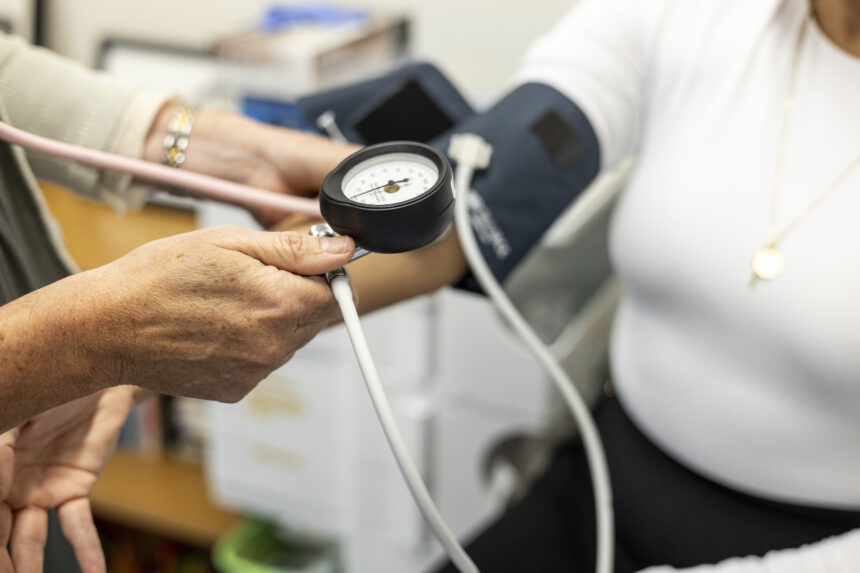
Elevated blood pressure is often the warning sign that your cardiovascular system is under extra strain.
Introduction
Blood pressure naturally rises and falls throughout the day depending on activity levels, emotions, and other factors. However, when blood pressure remains consistently higher than normal, it can place additional stress on the heart and blood vessels.
Elevated blood pressure is often considered a precursor to hypertension, commonly known as high blood pressure.
While it may not cause noticeable symptoms, it should not be ignored. Over time, uncontrolled blood pressure can increase the risk of heart disease, stroke, kidney disease, and other health problems.
The good news is that many of the factors that contribute to elevated blood pressure can be managed through lifestyle changes and proper medical care. Here are six common causes of elevated blood pressure and what you can do about them.
What Is Elevated Blood Pressure?
Elevated blood pressure occurs when blood pressure readings are higher than normal but not yet high enough to be classified as hypertension.
Think of it as an early warning sign. It indicates that the heart is working harder than it should to pump blood throughout the body.
Without intervention, elevated blood pressure can eventually progress to hypertension, increasing the risk of long-term health complications.
Common Causes of Elevated Blood Pressure
While genetics and age can play a role, lifestyle habits are among the most significant contributors to elevated blood pressure.
1. Excess Salt Consumption
One of the most common causes of elevated blood pressure is consuming too much sodium.
Salt causes the body to retain water, increasing the volume of blood circulating through the blood vessels. This added volume can raise blood pressure and put extra strain on the cardiovascular system.
Processed foods, fast foods, packaged snacks, and canned products are often major sources of hidden sodium.
Reducing salt intake and choosing fresh, whole foods can help support healthier blood pressure levels.
2. Being Overweight or Obese
Carrying excess body weight forces the heart to work harder to circulate blood throughout the body.
Over time, this increased workload can lead to elevated blood pressure and other cardiovascular problems.
Even modest weight loss can make a significant difference in improving blood pressure readings and overall heart health.
3. Physical Inactivity
Regular movement helps keep the heart strong and improves circulation.
A sedentary lifestyle can contribute to elevated blood pressure because the heart may need to work harder during daily activities.
Activities such as walking, cycling, swimming, or dancing can help improve cardiovascular fitness and support healthy blood pressure.
4. Chronic Stress
Stress is a normal part of life, but prolonged or unmanaged stress can affect blood pressure.
During stressful situations, the body releases hormones that temporarily increase heart rate and blood pressure. Frequent exposure to stress may contribute to long-term cardiovascular strain.
Stress can also lead to unhealthy coping habits such as overeating, smoking, or excessive alcohol consumption, which may further increase blood pressure.
5. Smoking and Excessive Alcohol Consumption
Smoking damages blood vessels and causes temporary spikes in blood pressure each time a cigarette is used.
Similarly, excessive alcohol consumption may contribute to elevated blood pressure and increase the risk of heart disease.
Reducing or eliminating these habits can significantly improve cardiovascular health and lower blood pressure over time.
6. Poor Sleep Quality
Sleep plays an important role in regulating many body functions, including blood pressure.
Consistently getting too little sleep or experiencing sleep disorders such as sleep apnea can contribute to elevated blood pressure.
Quality sleep allows the body to rest, recover, and regulate hormone levels that influence heart health.
Adults should aim for adequate, consistent sleep each night to support overall wellness.
MUST READ: Yoga: Everything You Need to Know About This Mind-Body Practice
Signs and Symptoms of Elevated Blood Pressure
One of the biggest challenges with elevated blood pressure is that it often causes no noticeable symptoms.
Many people feel completely healthy while their blood pressure continues to rise.
Because symptoms are often absent, regular blood pressure checks are essential, especially for adults with risk factors such as obesity, diabetes, or a family history of hypertension.
How to Lower Elevated Blood Pressure
In many cases, elevated blood pressure can be improved through healthy lifestyle habits.
Some effective strategies include:
- Eating a balanced diet rich in fruits and vegetables
- Limiting sodium intake
- Exercising regularly
- Maintaining a healthy weight
- Managing stress effectively
- Limiting alcohol consumption
- Avoiding tobacco products
- Prioritizing quality sleep
Making these changes early may help prevent the progression to hypertension.
When to See a Doctor
If your blood pressure readings remain elevated over time, it is important to consult a healthcare professional.
A doctor can assess potential causes, recommend lifestyle modifications, and determine whether additional monitoring or treatment is necessary.
Early intervention is often the best way to prevent long-term complications.
Final Thoughts
Elevated blood pressure is often the body’s way of signaling that changes may be needed to protect heart health. While it may not cause symptoms, it should never be overlooked.
Understanding the factors that contribute to rising blood pressure can help you make informed choices that support long-term wellness.