

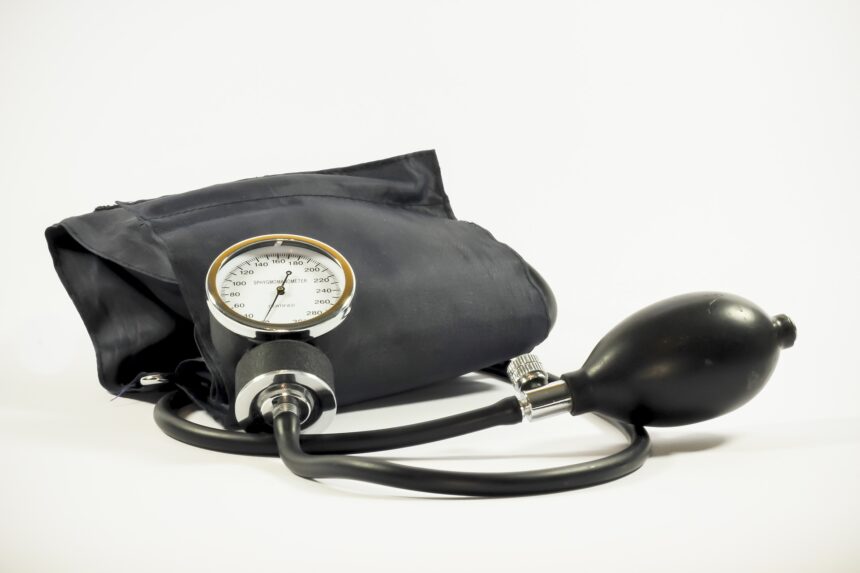
High blood pressure is one of the leading risk factors for heart disease and stroke. Regular physical activity is one of the most effective non-drug strategies for lowering and controlling blood pressure.
Introduction
High blood pressure, or hypertension, develops when the force of blood pushing against artery walls remains consistently elevated.
Over time, this damages blood vessels and increases the risk of heart attack, stroke, kidney disease, and other complications.
Many people assume medication is the only solution. While medication is sometimes necessary, exercise is a powerful, evidence-based tool that directly improves how the heart and blood vessels function.
Regular physical activity does not just temporarily lower blood pressure it creates long-term structural and hormonal changes that improve cardiovascular health.
How Physical Activity Improves Blood Pressure Control
Exercise influences the heart, blood vessels, hormones, nervous system, and metabolism. These combined effects explain why consistent activity remains one of the most recommended lifestyle treatments for hypertension.
1. Strengthens the Heart Muscle
The heart is a muscle. Like other muscles, it becomes stronger with regular training.
When the heart strengthens, it pumps blood more efficiently with less effort. A stronger heart ejects more blood with each beat, meaning it does not need to pump as frequently or forcefully. This reduces the pressure exerted on artery walls.
2. Improves Blood Vessel Flexibility
Healthy arteries expand and contract easily as blood flows through them. In hypertension, arteries often become stiff and less responsive.
Exercise improves endothelial function and the ability of blood vessels to relax and widen. When arteries dilate properly, resistance decreases, allowing blood to flow more freely.
3. Reduces Peripheral Resistance
Blood pressure is influenced by how narrow or constricted small blood vessels are. Chronic inactivity contributes to increased peripheral resistance.
Regular aerobic exercise encourages vasodilation and promotes the formation of new small blood vessels (a process known as angiogenesis). This expands the network through which blood can travel.
4. Helps Regulate Body Weight
Excess body weight increases strain on the cardiovascular system. The heart must work harder to supply blood to a larger body mass.
Exercise supports calorie expenditure and helps maintain healthy body composition. Even modest weight loss can produce measurable reductions in blood pressure.
5. Improves Insulin Sensitivity
Hypertension is closely linked with insulin resistance and metabolic syndrome.
Regular physical activity improves the body’s ability to use insulin effectively. Better insulin sensitivity reduces circulating insulin levels, which in turn lowers sodium retention and sympathetic nervous system activity both contributors to elevated blood pressure.
6. Reduces Stress Hormones
Chronic stress increases the release of cortisol and adrenaline. These hormones constrict blood vessels and increase heart rate, temporarily raising blood pressure. Repeated stress responses can contribute to sustained hypertension.
Exercise acts as a natural stress regulator. It reduces baseline cortisol levels, improves mood through endorphin release, and enhances parasympathetic (calming) nervous system activity.
MUST READ:6 Ways to Manage Blood Pressure in Women
What Type of Exercise Is Most Effective?
Several forms of exercise have been shown to reduce blood pressure:
- Brisk walking
- Cycling
- Swimming
- Jogging
- Strength training
- Moderate-intensity aerobic exercise
Most health guidelines recommend at least 150 minutes of moderate-intensity aerobic activity per week, along with muscle-strengthening activities on two or more days weekly.
Consistency matters more than intensity. Sudden extreme workouts are less beneficial than steady, sustainable activity.
How Quickly Does Exercise Lower Blood Pressure?
Some individuals experience short-term reductions in blood pressure immediately after a workout, a phenomenon known as post-exercise hypotension.
However, lasting improvements typically develop after several weeks of consistent activity. Long-term commitment produces cumulative cardiovascular benefits.
Important Precautions
Individuals with uncontrolled hypertension or underlying heart conditions should consult a healthcare provider before starting a new exercise program.
Exercise is generally safe, but intensity and progression should be appropriate for the individual’s health status.
Final Thoughts
Exercise lowers blood pressure by strengthening the heart, improving blood vessel flexibility, reducing vascular resistance, supporting weight control, enhancing insulin sensitivity, and regulating stress hormones.
It is one of the most powerful non-pharmacological tools available for hypertension management. While medication may be necessary for some individuals, physical activity remains foundational for long-term cardiovascular health.