

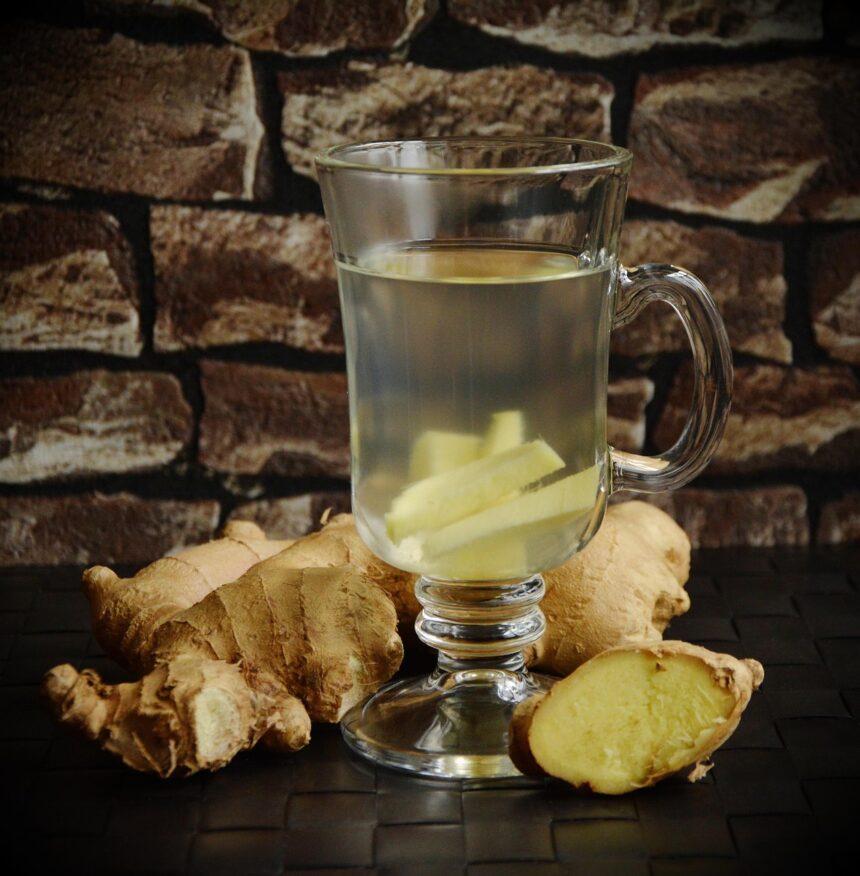
Herbal teas have been used for centuries as natural remedies. From calming the mind to supporting digestion, these teas offer gentle, powerful wellness benefits.
Introduction
Herbal teas have been part of traditional healing across cultures for thousands of years. They are made from dried herbs, flowers, spices, fruits, and roots each carrying its own unique aroma, nutrient profile, and therapeutic effect.
Today, more people are turning to herbal teas not just for relaxation but as part of a daily wellness routine.
Unlike regular tea, which comes from the Camellia sinensis plant, herbal teas are naturally caffeine-free and packed with antioxidants, vitamins, and soothing compounds that support overall health.
Whether you want better sleep, improved digestion, reduced stress, or stronger immunity, there’s an herbal tea designed to address that need. This blog post explores some of the most popular herbal teas and explains the specific health benefits they offer.
Why Herbal Teas Have Become So Popular
Herbal teas provide a natural alternative to sugary drinks, coffee, and processed wellness products. They are easy to prepare, accessible, and suitable for almost all age groups.
Here are a few reasons why they’ve gained global popularity:
- They are naturally caffeine-free, making them ideal for evenings and sensitive individuals.
- They contain powerful antioxidants that help fight inflammation and cellular damage.
- They offer gentle, steady benefits without harsh side effects.
- They support mental wellness by promoting calmness and relaxation.
- They are affordable and can be used daily as part of a self-care routine.
Chamomile Tea: The Ultimate Relaxation Tea
Chamomile tea is one of the most widely consumed herbal teas in the world. Made from the dried flowers of the chamomile plant, it is known for its calming and sleep-enhancing properties.
Health Benefits of Chamomile Tea
- Improved Sleep Quality: Chamomile contains apigenin, a natural antioxidant that binds to brain receptors to help reduce insomnia and anxiety.
- Reduced Stress and Tension: Its mild sedative effect relaxes the nervous system.
- Digestive Support: Chamomile can soothe stomach discomfort, gas, and indigestion.
- Skin Health: Antioxidants in chamomile help reduce inflammation, making it beneficial for skin irritation when consumed or applied topically.
Chamomile tea is best enjoyed before bedtime or after a long, stressful day.
MUST READ:Dealing With Loss and Grief: Understanding the Journey and Finding Your Way Back to Light
Peppermint Tea: Refreshing Relief for Digestion
Peppermint tea is known for its cooling, refreshing taste and its ability to support digestive health. It contains menthol, a natural compound with muscle-relaxing and anti-inflammatory effects.
Health Benefits of Peppermint Tea
- Eases Bloating and Gas: Peppermint relaxes gastrointestinal muscles, allowing trapped gas to move more easily.
- Reduces Indigestion: It helps relieve symptoms like stomach heaviness, discomfort, and heartburn.
- Clears Nasal Congestion: Menthol provides a cooling sensation that opens the respiratory passages.
- Improves Mental Focus: The scent of peppermint can enhance alertness and concentration.
Peppermint tea is best taken after meals or when experiencing digestive discomfort.
Ginger Tea: A Powerful Anti-Inflammatory
Ginger tea is made from the root of the ginger plant and has a warm, spicy flavor. It’s often used as a natural remedy for nausea, inflammation, and digestive problems.
Health Benefits of Ginger Tea
- Reduces Nausea: Effective for pregnancy-related nausea, motion sickness, and postoperative nausea.
- Supports Digestion: Ginger stimulates digestion and helps soothe stomach irritation.
- Anti-Inflammatory Properties: The compound gingerol reduces inflammation in the body, making it beneficial for pain relief.
- Boosts Immunity: Ginger tea helps the body fight infections due to its antimicrobial effect.
Ginger tea can be enjoyed throughout the day, especially during cold weather or when feeling under the weather.
Hibiscus Tea: Heart-Healthy and Vibrant
Hibiscus tea stands out with its bright red color and tart, cranberry-like taste. It is rich in antioxidants, especially anthocyanins, which support heart health.
Health Benefits of Hibiscus Tea
- Lowers Blood Pressure: Studies show hibiscus may help reduce systolic and diastolic blood pressure.
- Rich in Vitamin C: Supports immune health and reduces oxidative stress.
- Supports Weight Management: May help reduce fat accumulation by regulating metabolism.
- Improves Skin Glow: Its antioxidants promote a brighter, healthier complexion.
Hibiscus tea can be enjoyed hot or iced, making it versatile for all seasons.
Lemon Balm Tea: Calmness and Mental Clarity
Lemon balm tea has a mild lemon scent and belongs to the mint family. It is often used to promote calmness and mental clarity.
Health Benefits of Lemon Balm Tea
- Reduces Anxiety: Contains compounds that help ease stress and promote emotional balance.
- Supports Sleep: Helps relax the nervous system, improving sleep quality.
- Enhances Cognitive Function: Some research suggests lemon balm may help improve focus and memory.
- Aids Digestion: Helps relieve mild digestive discomfort and bloating.
Lemon balm tea is ideal for evenings or stressful days.
Rooibos Tea: A South African Wellness Drink
Rooibos tea is naturally sweet, caffeine-free, and rich in minerals. It comes from the Aspalathus linearis plant found only in South Africa.
Health Benefits of Rooibos Tea
- Rich in Antioxidants: Helps fight inflammation and oxidative stress.
- Supports Heart Health: May help improve cholesterol levels.
- Good for Bone Strength: Contains minerals like calcium, magnesium, and manganese.
- Gentle on the Stomach: Rooibos is soothing and ideal for sensitive individuals.
This tea is suitable for both children and adults.
Turmeric Tea: Golden Support for the Body
Turmeric tea, often made with turmeric powder or fresh turmeric root, has a warming flavor and is known for its anti-inflammatory strength.
Health Benefits of Turmeric Tea
- Powerful Anti-Inflammatory Effects: Curcumin, turmeric’s active compound, helps reduce inflammation throughout the body.
- Supports Joint Health: Beneficial for arthritis and general joint pain.
- Enhances Immunity: Curcumin boosts immune function.
- Aids Digestion: Turmeric stimulates bile production, improving digestion.
For better absorption, turmeric tea is often prepared with black pepper.
Lavender Tea: A Gentle Tea for the Mind
Lavender tea has a delicate floral flavor and is widely known for its calming and soothing effects.
Health Benefits of Lavender Tea
- Reduces Stress and Anxiety: Lavender compounds promote relaxation of the nervous system.
- Supports Sleep: Its aroma and properties help calm the mind before bedtime.
- Relieves Headaches: May help reduce mild tension headaches.
- Supports Digestion: Helps ease bloating and abdominal discomfort.
Lavender tea is best taken at night or during moments of deep relaxation.
Best Times to Drink Herbal Tea
Choosing the right herbal tea at the right time can enhance its benefits. While herbal teas are generally safe at any hour, certain timings work better for specific types.
- Morning:
Ginger tea, peppermint tea, and lemon balm tea provide energy, support digestion, and increase mental clarity. - Afternoon:
Rooibos tea and hibiscus tea offer hydration and antioxidant support without caffeine. - Evening:
Chamomile, lavender, and lemon balm are ideal for relaxation, stress relief, and sleep support. - During Illness:
Ginger tea, turmeric tea, and lemon tea help soothe sore throats, boost immunity, and support recovery.
Everyone’s body reacts differently, so it’s helpful to observe what works best for you.
Potential Side Effects to Keep in Mind
While herbal teas are generally safe, it’s still important to consume them mindfully.
- Drinking large amounts of hibiscus may lower blood pressure more than desired.
- Chamomile may interact with certain medications or allergies.
- Ginger and turmeric can irritate the stomach if consumed in excess.
- Peppermint tea is not suitable for individuals with acid reflux if taken too often.
Moderation is key, and individuals with medical conditions should consult a healthcare provider before regular use.
Final Thoughts
Herbal teas offer a natural, gentle way to support your health. They are rich in antioxidants, calming compounds, and nutrients that help improve sleep, digestion, immunity, and mental well-being.
Whether you’re sipping chamomile before bed, ginger after a meal, or hibiscus on a warm afternoon, these teas bring comfort, healing, and nourishment to your daily routine.