

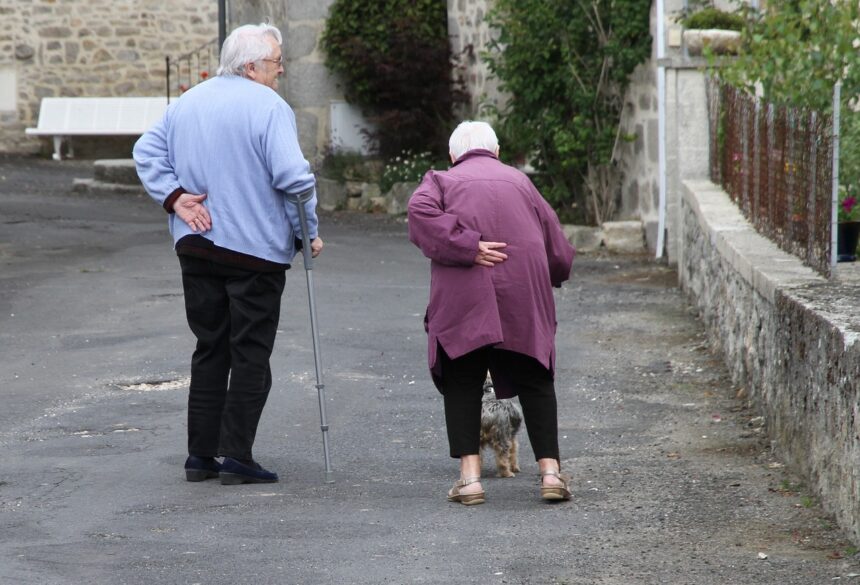
Staying active becomes even more important as the body ages. Regular physical activity helps older adults maintain strength, independence, and overall quality of life.
Introduction
As people grow older, it’s common to slow down physically. Changes in muscle strength, joint flexibility, balance, and energy levels can make movement feel more difficult than it once did.
However, physical activity remains one of the most powerful tools for maintaining health and independence in later years.
Being active does not mean engaging in intense workouts or strenuous exercise. Even gentle, consistent movement can significantly improve physical health, mental well-being, and daily functioning.
Physical activity helps older adults stay mobile, reduce the risk of chronic diseases, improve mood, and remain socially connected.
When done safely and consistently, movement supports healthy aging and makes everyday tasks easier to manage.
Why Physical Activity Is Important for Older Adults
Physical activity supports nearly every system in the body, and its benefits become even more valuable with age.
Regular movement helps preserve muscle mass, maintain joint flexibility, and support heart health.
Without enough activity, the body may experience muscle loss, reduced balance, and decreased endurance, which can increase the risk of falls and limit independence.
Staying active also improves circulation and supports better oxygen delivery throughout the body.
This leads to improved energy levels and reduced fatigue. Beyond physical benefits, movement plays a crucial role in emotional health by reducing stress, supporting better sleep, and improving overall mood.
Health Benefits of Physical Activity in Older Age
Regular physical activity provides wide-ranging benefits that support both short-term comfort and long-term health.
Some of the most important benefits include:
- Improved muscle strength and joint flexibility
- Better balance and coordination, reducing the risk of falls
- Stronger bones and reduced risk of fractures
- Improved heart and lung function
- Better blood sugar and cholesterol control
- Enhanced mental clarity and memory
- Reduced feelings of stress, anxiety, and depression
These benefits help older adults remain active in their communities, maintain independence, and enjoy a better overall quality of life.
Types of Physical Activity Suitable for Older Adults
Not all exercises are suitable for everyone, especially as the body changes with age. The best activities are those that feel comfortable, safe, and enjoyable. A well-rounded activity routine often includes a mix of different movement types.
Aerobic Activities
Aerobic activities help improve heart and lung health while increasing endurance. These movements raise the heart rate gently and support overall stamina.
Examples include:
- Walking at a comfortable pace
- Light jogging for those who are able
- Cycling on flat surfaces or stationary bikes
- Swimming or water aerobics
- Dancing
These activities help older adults stay energetic and improve circulation without placing too much strain on the joints.
Strength and Resistance Exercises
Strength training helps maintain muscle mass, which naturally decreases with age. Strong muscles support posture, balance, and daily movements like standing, lifting, and climbing stairs.
Simple strength activities include:
- Body-weight exercises such as squats or wall push-ups
- Resistance bands
- Light dumbbells
- Carrying groceries or household items
These exercises help protect joints, improve bone strength, and reduce the risk of injury.
Flexibility and Stretching
Flexibility exercises help maintain joint range of motion and reduce stiffness. Stretching improves comfort during movement and helps prevent muscle tightness.
Gentle stretching can be done daily and is especially helpful after physical activity. It supports smoother movement and helps older adults stay comfortable during everyday tasks.
Balance and Coordination Exercises
Balance training is especially important for older adults, as it helps prevent falls and improves stability. These exercises strengthen the muscles that support posture and coordination.
Examples include:
- Standing on one foot with support nearby
- Heel-to-toe walking
- Gentle yoga or tai chi
- Controlled leg lifts
Improving balance builds confidence and reduces fear of movement, which is essential for staying active.
MUST READ:Benefits of Fibre-Rich Foods
How Much Physical Activity Do Older Adults Need?
Physical activity does not need to be intense or overwhelming to be effective. Most older adults benefit from consistent, moderate movement spread throughout the week.
General recommendations include:
- About 150 minutes of moderate activity per week, such as walking
- Strength exercises at least two days per week
- Balance and flexibility activities several times a week
These guidelines can be adjusted based on individual ability, health conditions, and comfort level. Even small amounts of daily movement are better than none and can be built up gradually.
Safety Tips for Staying Active in Older Age
Safety is a key priority when engaging in physical activity. Taking precautions helps prevent injury and builds confidence.
Helpful safety tips include:
- Starting slowly and increasing intensity gradually
- Wearing supportive footwear
- Staying hydrated before and after activity
- Choosing well-lit, safe environments for walking or exercise
- Using support, such as chairs or railings, when needed
- Listening to the body and resting when tired
Older adults with existing health conditions should consult a healthcare professional before starting a new activity routine.
Final Thoughts
Physical activity is one of the most effective ways for older adults to maintain health, independence, and quality of life. Gentle, regular movement supports strength, balance, heart health, and emotional well-being.
It does not require perfection or intensity only consistency and care. By staying active in safe and enjoyable ways, older adults can continue to move confidently, stay connected, and enjoy life at every stage.