

A science-backed guide to the carbs your body actually needs for energy, digestion, and long-term health
Introduction
Carbohydrates have become one of the most feared nutrients in modern nutrition conversations. From weight-loss advice to social media food trends, carbs are often portrayed as something to avoid at all costs.
This fear has caused many people to eliminate foods that are not only natural but essential for proper body function.
The reality is simple: not all carbohydrates are created equal. While refined and heavily processed carbs can negatively affect blood sugar and overall health, whole and minimally processed carbohydrates support energy production, digestion, brain function, and metabolic balance.
This article breaks down the healthy carbohydrates you shouldn’t be afraid of, explains why they matter, and shows how they contribute to better health when consumed in the right form and portions.
Why Your Body Needs Carbohydrates
Carbohydrates are the body’s preferred energy source. When consumed, they are broken down into glucose, which fuels the brain, muscles, and vital organs.
Without adequate carbohydrate intake, the body may struggle to maintain energy levels, mental clarity, and physical performance.
Beyond energy, carbohydrates play an important role in:
- Supporting gut health through dietary fiber
- Regulating hormones and metabolic processes
- Protecting heart health
- Supporting immune function
Problems arise when carbohydrates come primarily from refined sugars and ultra-processed foods. Whole-food carbohydrates behave very differently in the body and should not be grouped into the same category.
Whole Grains
Whole grains retain all parts of the grain, including the bran and germ, which means they contain fiber, vitamins, minerals, and antioxidants. These nutrients help slow digestion and prevent sudden spikes in blood sugar.
Examples of Healthy Whole Grains
- Brown rice
- Oats
- Quinoa
- Whole wheat
- Barley
- Millet
Whole grains are linked to improved cholesterol levels, better digestion, and a reduced risk of type 2 diabetes and heart disease. When eaten in balanced portions, they provide long-lasting energy without promoting weight gain.
Fruits
Fruit is often avoided due to its sugar content, but this fear overlooks the nutritional value fruit provides. Unlike added sugars, the sugar in fruit is naturally combined with fiber and water, which slows absorption and prevents blood sugar spikes.
Why Fruit Is a Healthy Carb Choice
- Provides quick but steady energy
- Supports digestion and gut health
- Supplies antioxidants that protect cells
- Contributes to hydration
Whole fruits such as berries, apples, oranges, bananas, and mangoes deliver carbohydrates in their most natural and beneficial form. The key is consuming fruit whole rather than as juice.
MUST READ:Natural Ways to Manage Menopause Weight Gain
Legumes
Legumes are one of the most underrated carbohydrate sources. Beans, lentils, chickpeas, and peas contain complex carbohydrates alongside plant-based protein and fiber.
Health Benefits of Legumes
- Slow digestion and stable blood sugar
- Improved satiety and appetite control
- Support for heart and gut health
- Rich source of iron, magnesium, and folate
Their balanced nutrient profile makes legumes ideal for weight management and metabolic health.
Root Vegetables
Root vegetables provide complex carbohydrates that fuel the body while delivering vitamins and minerals that support overall health.
Common Healthy Root Vegetables
- Sweet potatoes
- Yams
- Carrots
- Beets
- Cassava
These foods are rich in fiber, potassium, and antioxidants. When prepared through boiling, roasting, or steaming, they support sustained energy without the negative effects associated with refined starches.
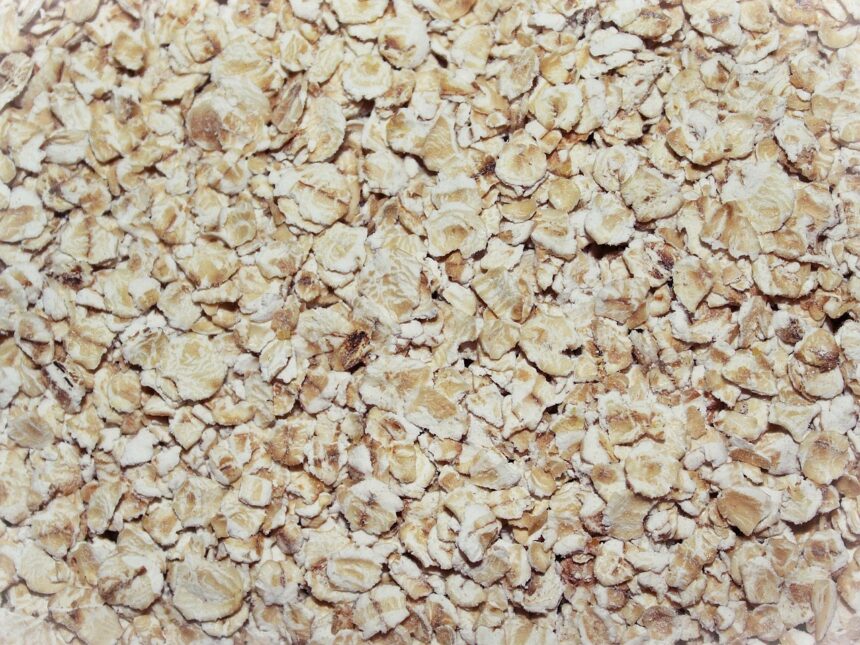
Oats
Oats are unique due to their high content of beta-glucan, a soluble fiber known to reduce cholesterol and improve blood sugar regulation.
Why Oats Deserve a Place in Your Diet
- Promote fullness and appetite control
- Support heart health
- Improve gut bacteria balance
- Provide steady energy throughout the day
Choosing rolled or steel-cut oats ensures maximum nutritional benefit with minimal processing.
Starchy Vegetables
Starchy vegetables often get excluded from healthy diets, yet they provide important nutrients and energy.
Examples of Starchy Vegetables
- Corn
- Green peas
- Plantains
These vegetables contain fiber, vitamins, and minerals that support metabolic and digestive health. Portion awareness and preparation methods are key to enjoying them healthfully.
How to Eat Carbohydrates Without Fear
Healthy carbohydrates work best when paired with protein, healthy fats, and fiber-rich foods. This combination slows digestion and keeps blood sugar levels stable.
Simple strategies include:
- Choosing whole, minimally processed carbs
- Combining carbs with protein at meals
- Paying attention to portion sizes
- Listening to hunger and energy cues
Carbohydrates are not the cause of poor health; poor carbohydrate choices are.
Final Thoughts
Healthy carbohydrates play a vital role in energy production, digestion, and long-term wellness. Whole grains, fruits, legumes, root vegetables, oats, and starchy vegetables provide nutrients your body needs to function at its best.
Rather than fearing carbs, focus on choosing quality sources and eating them mindfully. When consumed the right way, carbohydrates support a healthier, more balanced lifestyle.