

Learn how simple, affordable foods can support healing, prevent illness, and strengthen the body naturally
Introduction
Food does more than satisfy hunger. The nutrients and compounds found in everyday foods influence how the body heals, fights disease, manages inflammation, and maintains overall balance.
Long before modern medicine, food was used as the first line of defense against illness, and today, science continues to support that connection.
While food is not a replacement for medical treatment, certain everyday foods contain powerful compounds that support immunity, reduce inflammation, protect organs, and promote long-term health.
This article explores seven everyday foods that act like medicine and explains how they contribute to better health when included regularly in the diet.
How Food Supports Healing and Prevention
The body relies on nutrients to repair damaged cells, regulate inflammation, and maintain immune function.
Vitamins, minerals, antioxidants, and bioactive compounds found in whole foods help protect against chronic disease and support recovery from illness.
When the diet is built around whole, minimally processed foods, the body is better equipped to respond to stress, fight infections, and reduce long-term disease risk. This is where everyday foods begin to function like preventive medicine.
Foods That Act Like Medicine
When consumed consistently, these foods work quietly in the background, supporting the body’s natural healing systems.
1. Garlic
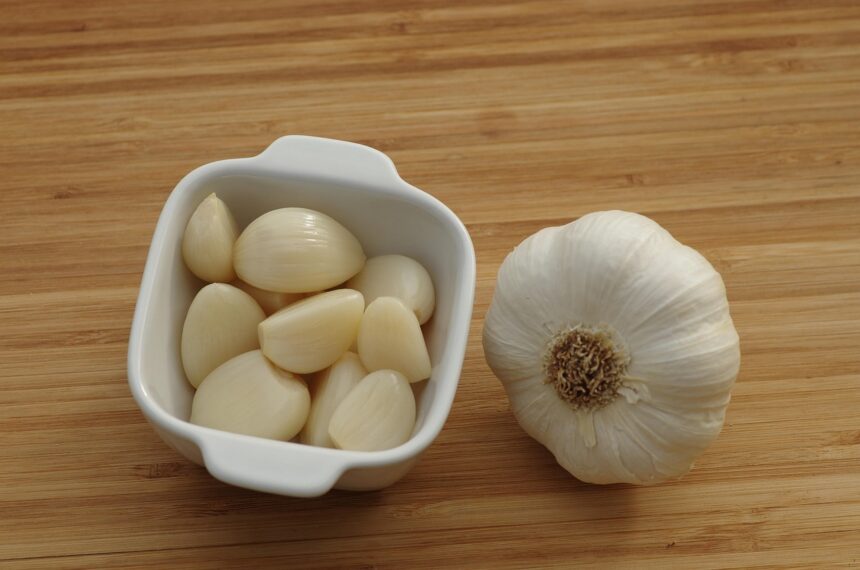
Garlic contains sulfur compounds, particularly allicin, which have been shown to support immune function and reduce inflammation.
Regular consumption of garlic may help lower blood pressure, improve cholesterol levels, and support cardiovascular health.
Garlic also exhibits natural antimicrobial properties, making it beneficial for fighting infections and supporting the body during periods of illness.
2. Ginger
Ginger has long been used for its anti-inflammatory and digestive benefits. It helps reduce nausea, supports digestion, and may ease muscle pain and joint stiffness.
Its active compounds, known as gingerols, help reduce inflammation and oxidative stress, making ginger particularly useful for managing inflammatory conditions and supporting gut health.
MUST READ:6 Reasons Why Preventive Health Care Matters More Than Treatment
3. Turmeric
Turmeric contains curcumin, a powerful compound known for its anti-inflammatory and antioxidant effects. Curcumin supports joint health, reduces inflammation, and may help protect against chronic diseases.
When consumed with black pepper, turmeric’s absorption improves, allowing the body to benefit more fully from its medicinal properties.
4. Leafy Green Vegetables
Leafy greens such as spinach, kale, and ugwu are rich in vitamins, minerals, and antioxidants that support immune function and cellular repair.
They provide nutrients like vitamin C, vitamin K, folate, and magnesium, all of which play roles in inflammation control, blood health, and overall vitality.
5. Berries
Berries are rich in antioxidants that help protect the body from oxidative stress and inflammation. Their high fiber content also supports gut health and blood sugar regulation.
Regular consumption of berries has been linked to improved heart health, better brain function, and reduced inflammation.
6. Fatty Fish
Fatty fish such as salmon, sardines, and mackerel provide omega-3 fatty acids, which are essential for reducing inflammation and supporting heart and brain health.
Omega-3s help lower the risk of cardiovascular disease and may also support joint health and cognitive function.
7. Fermented Foods
Fermented foods like yogurt, kefir, and fermented vegetables support gut health by introducing beneficial bacteria into the digestive system.
A healthy gut plays a central role in immune function, digestion, and even mental well-being, making fermented foods a valuable part of a health-supportive diet.
How to Include Medicinal Foods in Daily Meals
These foods do not need to be consumed in large amounts to be effective. Regular inclusion in daily meals allows their beneficial compounds to support the body over time.
Simple approaches include:
- Adding garlic and ginger to cooking
- Including leafy greens in meals
- Eating fatty fish a few times per week
- Using fermented foods as meal accompaniments
Small, consistent dietary choices often produce the greatest long-term benefits.
Final Thoughts
Everyday foods can play a powerful role in supporting health, preventing illness, and promoting healing. While they cannot replace medical care, foods like garlic, ginger, turmeric, leafy greens, berries, fatty fish, and fermented foods provide the body with tools it needs to function optimally.
Choosing these foods regularly turns daily meals into a form of gentle, ongoing preventive care one plate at a time.