

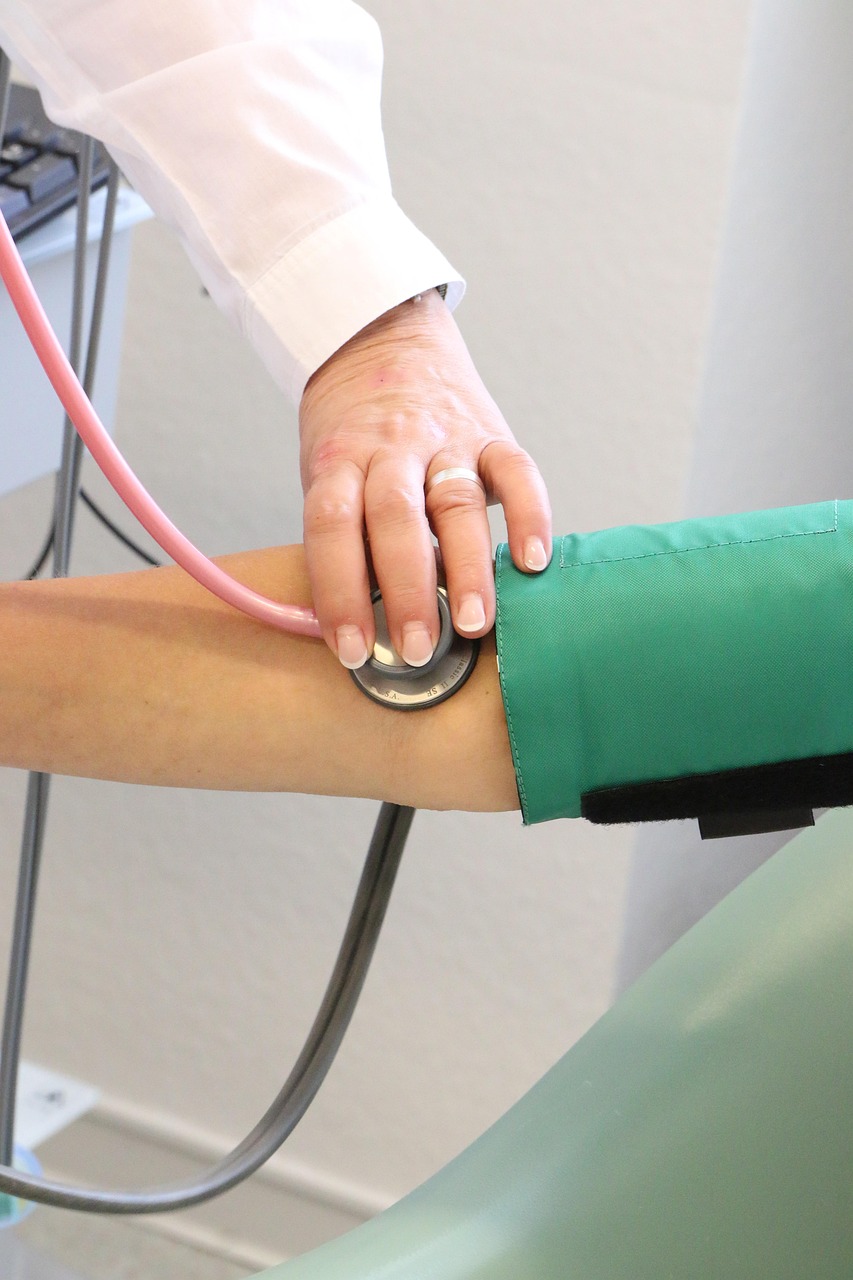
High blood pressure in women is often silent but can significantly increase the risk of heart disease, stroke, and kidney problems.
Introduction
High blood pressure (hypertension) is one of the leading risk factors for cardiovascular disease in women.
Although it is commonly associated with men, blood pressure-related complications are equally serious in women especially after menopause.
Hormonal changes, pregnancy-related conditions, stress, obesity, and family history all influence blood pressure patterns in women.
Because hypertension often develops without symptoms, many women are unaware they have it until complications arise.
The good news is that blood pressure can be controlled. Consistent lifestyle changes and appropriate medical care significantly reduce long-term risks.
Below are six practical, evidence-based ways women can manage their blood pressure effectively.
Practical Strategies for Blood Pressure Control in Women
Managing blood pressure does not depend on one single action. It involves daily habits that support heart health, hormonal balance, and overall cardiovascular function.
1. Monitor Blood Pressure Regularly
Regular monitoring is the foundation of control. Many women feel completely normal even when their readings are elevated.
Adults should aim for routine blood pressure checks at least once a year, or more frequently if diagnosed with hypertension. Home monitoring devices can also help track patterns between clinic visits.
2. Reduce Salt Intake
Excess sodium contributes to fluid retention and increased blood pressure. Many processed foods contain hidden salt, even those that do not taste salty.
Women managing hypertension should:
- Limit processed and packaged foods
- Reduce added salt during cooking
- Choose fresh ingredients where possible
Lowering sodium intake can produce measurable reductions in blood pressure within weeks.
3. Maintain a Healthy Body Weight
Excess weight increases strain on the heart and blood vessels. Abdominal fat, in particular, is associated with higher cardiovascular risk.
Even modest weight reduction can significantly lower blood pressure. Sustainable weight management involves balanced nutrition, portion control, and regular physical activity not extreme dieting.
4. Engage in Regular Physical Activity
Physical activity strengthens the heart, allowing it to pump blood more efficiently with less force on the arteries.
Women should aim for at least 150 minutes of moderate-intensity activity per week. Brisk walking, cycling, swimming, dancing, and structured workouts all contribute to improved cardiovascular health.
5. Manage Stress Effectively
Chronic stress can contribute to temporary spikes and long-term increases in blood pressure. Women often juggle multiple responsibilities, which may increase stress exposure.
Stress management strategies may include:
- Structured rest
- Relaxation techniques
- Prayer or meditation
- Adequate sleep
- Setting boundaries around workload
Reducing stress hormones supports overall cardiovascular stability.
6. Limit Alcohol and Avoid Smoking
Excessive alcohol intake raises blood pressure and weakens heart function over time. Smoking damages blood vessels and significantly increases cardiovascular risk.
Women with high blood pressure should limit alcohol consumption and avoid tobacco use entirely. These changes substantially reduce long-term complications.
MUST READ: 8 Preventive Health Screenings Every Man Should Not Ignore
Special Considerations for Women
Certain life stages require additional attention:
- Pregnancy: Conditions such as preeclampsia require close monitoring.
- Use of hormonal contraceptives: Some may slightly raise blood pressure.
- Menopause: Hormonal changes may increase cardiovascular risk.
Women should discuss personal risk factors with their healthcare provider to tailor management strategies.
When Medication Is Necessary
Lifestyle changes are essential, but some women require medication to achieve target blood pressure levels. Antihypertensive medications are safe and effective when prescribed appropriately.
Medication should not be viewed as failure. It is part of comprehensive management when needed.
Final Thoughts
High blood pressure in women is common, often silent, and potentially dangerous if left unmanaged. However, it is also highly controllable.
Regular monitoring, balanced nutrition, physical activity, stress control, weight management, and avoidance of harmful habits form the foundation of effective blood pressure management.