

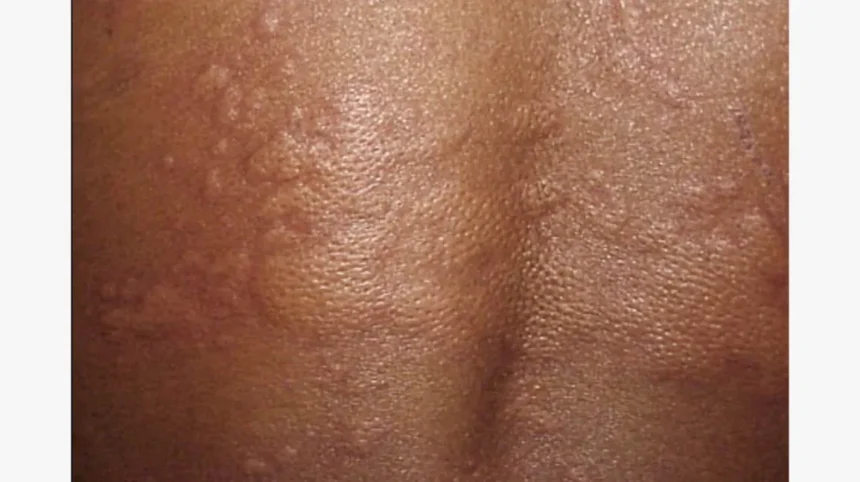
Skin allergies can be uncomfortable and frustrating, but simple home remedies can help soothe irritation, reduce itching, and support faster healing.
Introduction
Skin allergies are a common condition that can affect anyone at any time. They often appear as itching, redness, swelling, or dry, irritated patches on the skin. For some people, the reaction may be mild, while for others, it can be persistent and uncomfortable.
These reactions usually occur when the immune system responds to something harmless, such as certain foods, plants, chemicals, or environmental triggers. While avoiding the trigger is the most effective way to prevent future reactions, it is not always possible.
The good news is that many skin allergy symptoms can be managed at home using simple, natural remedies that help calm the skin and reduce discomfort.
Understanding Skin Allergies
A skin allergy happens when your body identifies a harmless substance as a threat. This triggers a response that leads to inflammation, irritation, and visible skin changes.
Common symptoms include itching, swelling, discoloration, bumps, dryness, and even cracking in severe cases. These reactions can occur suddenly and may vary depending on the trigger and your skin sensitivity.
Because the causes differ, managing the symptoms effectively often involves calming the skin while identifying and avoiding the trigger.
Simple Remedies That Help Soothe Skin Allergies
These remedies focus on reducing inflammation, restoring skin balance, and easing discomfort without causing further irritation.
Use Oatmeal to Soothe the Skin
Oatmeal is widely known for its calming properties. It contains natural compounds that help reduce inflammation and relieve itching.
When applied to the skin through a bath or paste, oatmeal forms a protective layer that helps retain moisture and soothe irritation. This makes it especially helpful for dry, itchy, or inflamed skin.
Apply Baking Soda for Itch Relief
Baking soda can help restore the skin’s natural balance and reduce irritation. It works as a mild anti-inflammatory agent, helping to calm itching and discomfort.
When mixed into a paste or added to bathwater, it can provide quick relief for irritated areas, especially when itching is persistent.
Use Aloe Vera for Cooling Relief
Aloe vera is well known for its soothing and cooling effects. Its gel contains compounds that help reduce inflammation and promote skin healing.
Applying aloe vera directly to affected areas can help calm redness and provide a refreshing sensation that eases discomfort.
Try Natural Herbs and Plant-Based Remedies
Certain plants and herbs have traditionally been used to treat skin irritation. Ingredients such as chamomile, basil, and neem are known for their calming and anti-inflammatory properties.
These natural options may help reduce allergic reactions and support the skin’s healing process when used carefully.
Take Lukewarm Baths Instead of Hot Showers
Hot water can worsen skin irritation by drying out the skin and increasing inflammation. Switching to lukewarm baths helps maintain moisture and reduces discomfort.
Adding soothing ingredients like oatmeal or baking soda to your bath can enhance the calming effect and provide additional relief.
MUST READ:What Is a Heart Attack? Causes, Signs, and Prevention
Moisturize the Skin Regularly
Keeping your skin moisturized is essential when dealing with allergies. Dry skin can worsen irritation and slow down the healing process.
Using gentle, fragrance-free moisturizers helps restore the skin barrier and keeps the skin hydrated, making it less sensitive to triggers.
Avoid Scratching the Affected Area
Scratching may provide temporary relief, but it can make the condition worse. It can damage the skin, increase inflammation, and even lead to infection.
Keeping the skin calm and protected is more effective than trying to relieve the itch through scratching.
Identify and Avoid Triggers
While remedies can help manage symptoms, avoiding the cause of the allergy is the most important step.
Triggers can include certain foods, skincare products, environmental factors, or fabrics. Paying attention to what causes your reactions can help prevent future flare-ups and reduce the need for treatment.
When to Seek Medical Attention
Although many skin allergies can be managed at home, some situations require medical care. Severe swelling, persistent symptoms, or signs of infection should not be ignored.
If symptoms worsen or do not improve, it is important to seek professional advice to ensure proper treatment.
Final Thoughts
Skin allergies can be uncomfortable, but they are often manageable with simple and consistent care. Natural remedies can help soothe irritation, reduce inflammation, and support your skin as it heals.
The key is to be gentle with your skin, stay consistent with care, and pay attention to what triggers your reactions.