

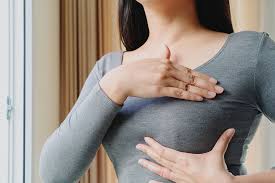
Breast lumps can be concerning, but early awareness and regular self-checks can help you detect changes quickly and take the right steps.
Introduction
Noticing a lump in the breast can be a frightening experience for many women. It often brings immediate worry, especially with the fear of serious conditions like breast cancer. However, it is important to understand that not all breast lumps are dangerous.
In many cases, lumps are caused by normal hormonal changes, cysts, or other non-cancerous conditions.
Still, every change in the breast should be taken seriously. Early detection plays a crucial role in identifying potential problems and improving outcomes.
Learning how to check your breasts, when to do it, and what steps to take if you notice something unusual can give you confidence and control over your health.
Understanding Breast Lumps
Breast lumps can form for different reasons. Hormonal changes, especially during menstrual cycles, can cause temporary swelling or thickening in the breast tissue.
Some lumps are fluid-filled sacs known as cysts, while others may be solid growths such as fibroadenomas, which are usually harmless. Infections or injuries can also lead to swelling or lump-like sensations.
While many lumps are benign, some may require further evaluation. This is why it is important to pay attention to any new or unusual changes in your breasts.
How to Check Your Breasts
Checking your breasts regularly helps you understand what is normal for you. This makes it easier to notice any changes early.
You can begin by looking at your breasts in a mirror. Pay attention to their shape, size, and appearance. Look for any visible changes such as swelling, dimpling, or changes in the skin or nipples.
After that, use your fingers to gently feel your breasts. Move your fingers in a consistent pattern, covering the entire breast area, including the area under your arms. Use light, medium, and deep pressure to feel different layers of tissue.
The goal is not to search for problems but to become familiar with how your breasts normally feel.
When Is the Best Time to Check
The best time to check your breasts is a few days after your menstrual period ends. During this time, hormonal changes are minimal, and your breasts are less likely to feel swollen or tender.
If you do not have regular periods, you can choose a specific day each month to perform your check. Consistency is more important than the exact timing.
Regular checks allow you to notice changes more easily over time.
MUST READ:Testicular Lumps: What They Mean and When to Take Them Seriously
What to Look and Feel For
When checking your breasts, you are looking for anything that feels or looks different from what you are used to.
This may include a new lump, thickened tissue, or a change in size or shape. You may also notice changes in the skin, such as redness, dimpling, or unusual texture.
Other signs to watch for include nipple discharge, pain in a specific area, or a lump that does not move easily when touched.
Not every change is serious, but any persistent or unusual change should be evaluated.
What to Do If You Feel a Lump
If you discover a lump, it is important not to panic. Many breast lumps are not cancerous, especially in younger women.
The first step is to monitor the lump for a short period, especially if it appears around your menstrual cycle. If it does not go away, grows, or feels unusual, you should seek medical advice.
A healthcare professional can perform a proper examination and may recommend tests to determine the cause. Early evaluation helps ensure that any necessary treatment can begin as soon as possible.
When to Seek Medical Attention
While some lumps may resolve on their own, certain signs require immediate attention.
A lump that continues to grow, feels hard, or does not move easily should be checked. Persistent pain, changes in the skin, or unusual nipple discharge are also important warning signs.
Seeking medical care early does not mean something is wrong, it simply ensures that you are taking the right steps to protect your health.
Building a Habit of Awareness
Regular breast checks are not about fear, but about awareness. The more familiar you are with your body, the more confident you become in recognizing changes.
This habit takes only a few minutes each month but can have a lasting impact on your health.
Final Thoughts
Breast health is an important part of overall well-being. While finding a lump can be unsettling, knowledge and early action make a significant difference.
By checking your breasts regularly, understanding what is normal, and seeking help when needed, you take an active role in your health.