

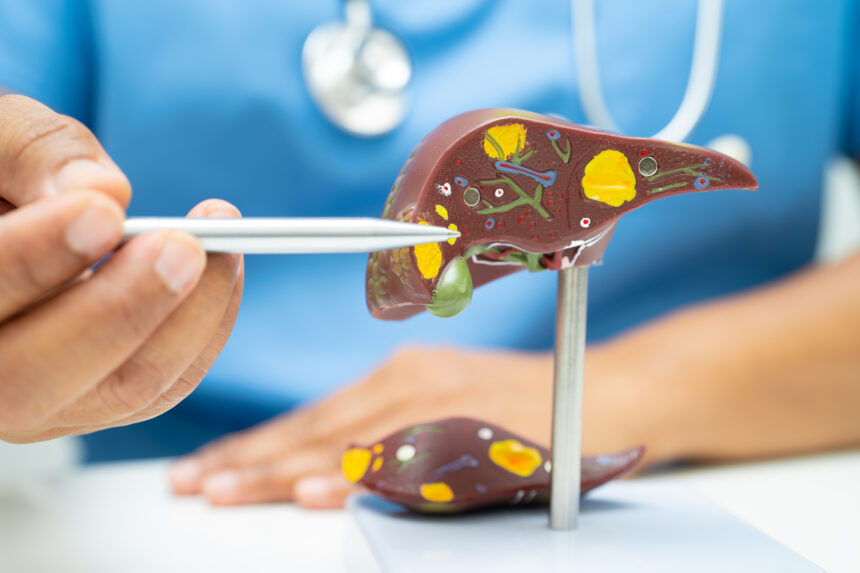
Liver cancer often develops quietly, with symptoms appearing only after the disease has progressed.
Introduction
The liver is one of the most important organs in the body. It helps remove toxins, supports digestion, stores nutrients, and processes everything the body consumes.
Because the liver performs so many essential functions, any disease affecting it can have serious consequences.
Liver cancer happens when abnormal cells in the liver begin to grow uncontrollably. In many cases, the disease develops slowly and may not show obvious symptoms in the beginning. This is why liver cancer is sometimes called a “silent disease.”
While liver cancer can be life-threatening, early detection and proper treatment can improve outcomes significantly.
Learning about the condition is an important step toward prevention, awareness, and better health decisions.
What Is Liver Cancer
Liver cancer is a form of cancer that starts in the cells of the liver. The most common type is hepatocellular carcinoma, which develops in the main liver cells known as hepatocytes.
The liver can also be affected by cancer that spreads from other parts of the body, but primary liver cancer begins directly in the liver itself.
As cancer cells grow, they interfere with the liver’s ability to perform its normal functions. Over time, this can affect digestion, energy levels, blood filtration, and overall body health.
Common Symptoms of Liver Cancer
One of the challenges with liver cancer is that symptoms may not appear until the disease has advanced. When signs do develop, they are often mistaken for other health issues.
Some common symptoms include persistent fatigue, loss of appetite, and unexplained weight loss. Many people also experience discomfort or pain in the upper right side of the abdomen, where the liver is located.
Another noticeable sign is jaundice, a condition that causes the skin and eyes to turn yellow due to liver dysfunction. Some people may also notice swelling in the abdomen, nausea, dark urine, or pale stool.
Because these symptoms can overlap with other liver conditions, medical evaluation is important for proper diagnosis.
Major Causes and Risk Factors
Several factors can increase the risk of developing liver cancer, especially conditions that cause long-term liver damage.
Chronic hepatitis B and hepatitis C infections are among the leading causes worldwide. These infections can slowly damage the liver over time and increase the likelihood of cancer development.
Cirrhosis, which is severe scarring of the liver, is another major risk factor. Cirrhosis can result from excessive alcohol use, hepatitis infections, or fatty liver disease.
Lifestyle habits also play a role. Heavy alcohol consumption, smoking, obesity, and poor diet can contribute to liver damage and increase cancer risk over time.
In recent years, non-alcoholic fatty liver disease has become more common and is now recognized as a growing contributor to liver cancer cases.
MUST READ: How to Strengthen Your Knees and Improve Joint Stability
How Liver Cancer Is Diagnosed
Doctors use several methods to diagnose liver cancer. Blood tests may be used to check liver function and look for certain markers linked to cancer.
Imaging tests such as ultrasound scans, CT scans, or MRIs help doctors identify abnormal growths in the liver. In some cases, a biopsy may be needed to confirm the diagnosis.
Early detection is important because treatment is often more effective when the cancer is found before it spreads.
Treatment Options for Liver Cancer
Treatment depends on the stage of the cancer, the overall health of the liver, and the patient’s general condition.
When the cancer is detected early, surgery may be used to remove the tumor. In some cases, a liver transplant may be recommended, especially if the liver has been severely damaged.
Other treatments include chemotherapy, targeted drug therapy, radiation, and procedures designed to destroy cancer cells directly within the liver.
Doctors may also combine multiple treatments depending on how advanced the cancer is.
Can Liver Cancer Be Prevented
Although not every case can be prevented, certain habits can help reduce the risk.
Getting vaccinated against hepatitis B and seeking treatment for hepatitis infections can protect the liver from long-term damage. Limiting alcohol consumption and avoiding smoking are also important preventive measures.
Maintaining a healthy weight, eating balanced meals, and staying physically active can help reduce the risk of fatty liver disease, which is increasingly linked to liver cancer.
Regular medical checkups are especially important for people who already have liver disease or a family history of liver problems.
The Emotional and Physical Impact
Liver cancer affects more than the body alone. The diagnosis can bring emotional stress, fear, and uncertainty for both patients and their loved ones.
The physical effects of treatment, combined with emotional challenges, can impact quality of life significantly. This is why emotional support, proper care, and awareness are just as important as medical treatment.
Having open conversations about cancer can also encourage people to seek help earlier rather than ignore symptoms.
Final Thoughts
Liver cancer is a serious condition, but awareness can make a difference. Understanding the symptoms, recognizing the risk factors, and taking liver health seriously can encourage earlier diagnosis and better treatment outcomes.
While not all cases can be prevented, healthy lifestyle choices and regular medical care can help reduce the risk and support overall liver health.