

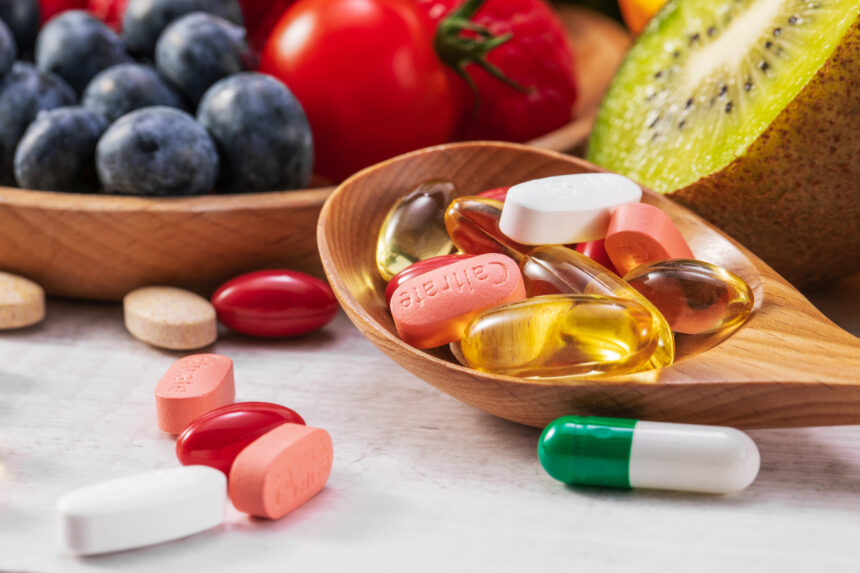
A woman’s nutritional needs change with age, lifestyle, and hormonal shifts. Getting the right vitamins at the right time can support energy, immunity, bone health, and overall well-being.
Introduction
Vitamins play a vital role in keeping the body healthy and functioning properly. From supporting the immune system to maintaining strong bones and healthy skin, these nutrients are involved in almost every process in the body.
For women, vitamin needs can change over time due to factors such as menstruation, pregnancy, aging, and menopause. This means that the nutrients needed in your twenties may not be exactly the same as those needed later in life.
While a balanced diet remains the best source of vitamins, understanding which nutrients are especially important can help women make healthier choices and prevent deficiencies.
Why Vitamins Matter for Women
Women’s bodies go through different hormonal and physical changes throughout life. These changes can affect energy levels, bone strength, reproductive health, and metabolism.
Certain vitamins help support these changes by improving immune function, protecting cells, supporting hormonal balance, and helping the body produce energy efficiently.
Without enough essential nutrients, the body may struggle to function at its best, leading to fatigue, weakened immunity, and other health concerns.
Important Vitamins Women Need
Key nutrients for better health includes:
Vitamin D
Vitamin D helps the body absorb calcium, making it essential for strong bones and teeth. It also supports the immune system and muscle function.
As women age, maintaining bone strength becomes increasingly important, especially because the risk of osteoporosis rises over time.
Low vitamin D levels may lead to fatigue, bone weakness, or increased risk of fractures.
Good sources include sunlight exposure, fatty fish, egg yolks, and fortified foods.
Calcium
Although technically a mineral, calcium works closely with vitamin D and is one of the most important nutrients for women.
It helps maintain healthy bones and teeth while also supporting muscle and nerve function.
Women are especially encouraged to maintain good calcium intake because bone density naturally decreases with age, particularly after menopause.
Dairy products, leafy greens, almonds, and fortified foods are good sources of calcium.
Iron
Iron is especially important for women during their reproductive years because of blood loss during menstruation.
This nutrient helps produce hemoglobin, which carries oxygen throughout the body. Without enough iron, women may experience fatigue, weakness, dizziness, or difficulty concentrating.
Iron-rich foods include red meat, beans, spinach, and lentils.
Folate (Vitamin B9)
Folate supports healthy cell growth and plays an important role in DNA formation.
It is especially important for women who are pregnant or planning pregnancy because it helps support healthy fetal development.
Folate also contributes to brain function and red blood cell production.
Leafy vegetables, beans, citrus fruits, and fortified grains are excellent sources.
Vitamin B12
Vitamin B12 supports nerve function, brain health, and red blood cell production.
Low levels may lead to tiredness, numbness, memory problems, or weakness.
As women grow older, the body may become less efficient at absorbing vitamin B12, making adequate intake even more important.
Sources include fish, eggs, dairy products, and fortified cereals.
Vitamin C
Vitamin C acts as an antioxidant that helps protect the body’s cells from damage.
It also supports collagen production, which is important for healthy skin, blood vessels, and wound healing.
In addition, vitamin C helps improve iron absorption, making it particularly beneficial for women with low iron levels.
Citrus fruits, berries, tomatoes, and peppers are rich in vitamin C.
Magnesium
Magnesium supports muscle function, nerve health, sleep quality, and energy production.
It may also help with stress management and relaxation, which is important for overall wellness.
Nuts, seeds, whole grains, and leafy greens are good dietary sources.
MUST READ: Liver Cancer: What You Should Know About the Silent Disease
How Vitamin Needs Change with Age
Women in their younger years may need more iron and folate due to menstruation and reproductive health.
During pregnancy, nutrients like folate, iron, and calcium become even more important to support both mother and baby.
As women age, bone-supporting nutrients such as calcium and vitamin D become a higher priority due to changes in bone density.
Older women may also need more vitamin B12 because absorption tends to decrease over time.
Can You Get Enough from Food Alone?
A healthy, balanced diet can provide most of the vitamins the body needs. Eating a variety of fruits, vegetables, whole grains, proteins, and healthy fats helps ensure a wider range of nutrients.
However, some women may require supplements due to dietary restrictions, pregnancy, aging, or certain health conditions.
It is important to avoid self-prescribing large doses of supplements without medical guidance, as excessive intake can sometimes cause problems.
Signs of Vitamin Deficiency
Vitamin deficiencies can show up in different ways depending on the nutrient involved.
Common signs may include:
- Constant fatigue
- Weakness
- Brittle hair or nails
- Frequent illness
- Mood changes
- Muscle cramps
- Poor concentration
Recognizing these signs early can help prevent long-term health complications.
Final Thoughts
Women’s nutritional needs evolve throughout life, making vitamins an important part of long-term health and wellness.
From supporting energy and immunity to protecting bones and maintaining hormonal balance, the right nutrients can make a significant difference in how the body functions and feels.