

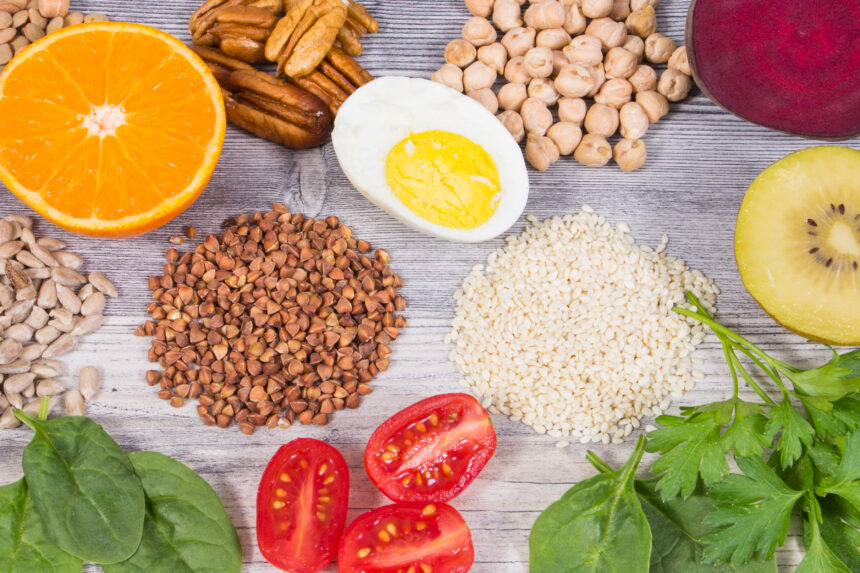
They may be needed in small amounts, but micronutrients play a huge role in keeping your body healthy, energized, and functioning properly every day.
Introduction
When most people think about nutrition, they focus on protein, carbs, or fats. But there’s another group of nutrients your body depends on just as much micronutrients.
These are the vitamins and minerals your body needs in small amounts to support important functions like immunity, brain health, energy production, and strong bones.
Even though they don’t provide calories, micronutrients are essential for survival. Without enough of them, your body can begin to show signs of weakness, fatigue, poor concentration, and even illness.
The good news is that getting enough micronutrients doesn’t require a complicated diet. It simply starts with eating a variety of healthy foods.
What Are Micronutrients?
Micronutrients are vitamins and minerals that help the body grow, repair itself, and function properly. Unlike macronutrients, which provide energy, micronutrients support the systems that keep the body running smoothly.
There are two major types of micronutrients: vitamins and minerals. Vitamins help with immunity, vision, skin health, and metabolism, while minerals support strong bones, muscle function, hydration, and nerve signaling.
Your body cannot produce most micronutrients on its own, which is why they must come from food or supplements.
Why Micronutrients Matter
Micronutrients may be tiny, but their impact on your health is massive. They help convert food into energy, strengthen the immune system, and protect the body from disease.
For example, iron helps carry oxygen through the blood, while calcium keeps bones and teeth strong. Vitamin C supports wound healing and immunity, and vitamin D helps the body absorb calcium properly.
When the body lacks essential nutrients, it can affect both physical and mental health. Low iron levels may cause tiredness and dizziness, while a lack of vitamin B12 can lead to poor memory and weakness.
Common Micronutrients and Their Food Sources
From boosting immunity to strengthening bones, different micronutrients play different roles in keeping the body healthy. The good news is that many everyday foods are naturally packed with these essential nutrients.
Vitamin C
Vitamin C is known for boosting immunity and helping the body heal. It is commonly found in oranges, strawberries, tomatoes, and bell peppers.
Iron
Iron is important for healthy blood circulation and energy levels. Foods like spinach, beans, red meat, and fortified cereals are rich in iron.
Calcium
Calcium supports healthy bones and teeth. Dairy products, tofu, leafy greens, and almonds are excellent sources.
Magnesium
Magnesium helps with muscle function, sleep, and energy production. It can be found in nuts, seeds, whole grains, and dark leafy vegetables.
Zinc
Zinc supports immunity and wound healing. Seafood, meat, beans, and seeds are good sources of zinc.
MUST READ:Ovarian Cancer: Symptoms, Causes, Treatment, and the Importance of Early Detection
Signs You May Be Deficient
Micronutrient deficiencies are more common than many people realize, especially in diets filled with processed foods. Some common signs include constant fatigue, weak immunity, dry skin, hair loss, and difficulty concentrating.
Because these symptoms can develop slowly, many people ignore them until they become more serious. Eating nutrient-rich foods regularly can help prevent these deficiencies and improve overall well-being.
How to Get More Micronutrients Naturally
The easiest way to improve your micronutrient intake is by eating colorful, whole foods. Fruits, vegetables, legumes, nuts, seeds, lean proteins, and whole grains all provide valuable nutrients your body needs daily.
Instead of focusing only on calories, pay attention to the quality of your meals. A plate filled with different colors often means a wider variety of vitamins and minerals.
Drinking enough water and reducing highly processed foods can also help your body absorb nutrients more effectively.
Final Thoughts
Micronutrients may only be needed in small amounts, but they have a powerful effect on your health. From supporting your immune system to improving energy and brain function, these vitamins and minerals help your body perform at its best.
A healthy, balanced diet filled with nutrient-dense foods is one of the best ways to give your body the micronutrients it needs. Small changes in your eating habits today can lead to better health and wellness in the long run.