

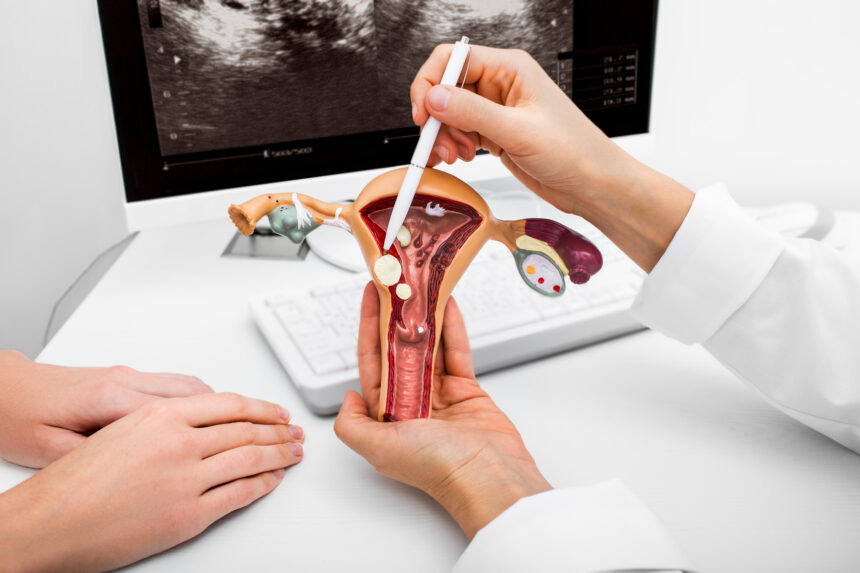
Uterine fibroids are common non-cancerous growths that affect many women during their reproductive years. While some women experience no symptoms, others may deal with pain, heavy bleeding, and fertility challenges.
Introduction
Many women hear the word “fibroids” at some point in their lives, yet the condition is still widely misunderstood. Uterine fibroids are extremely common and can affect women differently depending on their size, number, and location within the uterus.
For some women, fibroids cause little to no discomfort and may only be discovered during routine medical exams. For others, they can interfere with daily life by causing heavy menstrual bleeding, pelvic pain, bloating, and reproductive complications.
Although fibroids are usually non-cancerous, they can still have a major impact on physical and emotional well-being. Understanding the symptoms, causes, and treatment options can help women recognize the condition earlier and seek proper care when needed.
What Are Uterine Fibroids
Uterine fibroids are non-cancerous growths that develop in or around the uterus. They are made up of muscle and fibrous tissue and can vary greatly in size.
Some fibroids are so small they may go unnoticed, while others can grow large enough to affect the shape of the uterus or cause visible abdominal swelling.
Fibroids may appear as a single growth or multiple growths at the same time. They can develop inside the wall of the uterus, within the uterine cavity, or on the outer surface of the uterus.
Although fibroids are not considered cancerous, they can still lead to significant health concerns depending on their location and size.
Common Symptoms of Fibroids
Not all women with fibroids experience symptoms. However, when symptoms occur, they can range from mild discomfort to severe complications.
One of the most common symptoms is heavy or prolonged menstrual bleeding. Some women may notice that their periods become longer, more painful, or more difficult to manage.
Other common symptoms include:
- Pelvic pain or pressure
- Lower back pain
- Frequent urination
- Bloating or abdominal swelling
- Pain during intercourse
- Constipation
- Fatigue caused by heavy blood loss
Large fibroids may press against nearby organs such as the bladder or bowel, leading to additional discomfort.
What Causes Uterine Fibroids
The exact cause of fibroids is not fully understood, but several factors are believed to contribute to their development.
Hormones such as estrogen and progesterone appear to play an important role because fibroids often grow during reproductive years and may shrink after menopause.
Genetics may also influence risk. Women with family members who have fibroids are more likely to develop them themselves.
Other factors that may increase risk include:
- Obesity
- Early menstruation
- High blood pressure
- Low physical activity
- Diets high in processed foods and red meat
Research is still ongoing to better understand why some women develop fibroids while others do not.
Different Types of Fibroids
Fibroids are classified based on where they grow in the uterus.
Intramural Fibroids
These grow within the muscular wall of the uterus and are among the most common types.
Submucosal Fibroids
These develop inside the uterine cavity and may cause heavy bleeding or fertility problems.
Subserosal Fibroids
These grow on the outer surface of the uterus and can become large enough to press on nearby organs.
Pedunculated Fibroids
These fibroids grow on stalk-like structures either inside or outside the uterus. The type and location of fibroids often influence the symptoms and treatment approach.
MUST READ: Micronutrients: The Tiny Nutrients Your Body Can’t Live Without
How Fibroids Are Diagnosed
Doctors usually diagnose fibroids through pelvic examinations and imaging tests.
Ultrasounds are commonly used to identify fibroids and determine their size and location. In some cases, MRI scans or additional tests may be recommended for a clearer view.
Diagnosis is important because other reproductive conditions may produce similar symptoms.
Treatment Options for Fibroids
Treatment depends on factors such as the size of the fibroids, the severity of symptoms, age, and future pregnancy plans.
Watchful Monitoring
Small fibroids that cause little or no symptoms may simply be monitored over time without immediate treatment.
Medications
Certain medications may help manage symptoms such as heavy bleeding or pelvic pain. Hormonal treatments may also help shrink fibroids temporarily in some cases.
Non-Surgical Procedures
Some minimally invasive treatments work by cutting off blood supply to fibroids, causing them to shrink over time.
Surgery
For severe cases, surgery may be necessary to remove fibroids or, in some situations, the uterus itself.
The choice of treatment depends on the patient’s symptoms, overall health, and reproductive goals.
Can Fibroids Affect Fertility
Not all women with fibroids experience fertility problems, but certain fibroids can interfere with pregnancy or conception depending on their size and location.
Some fibroids may block fallopian tubes, affect implantation, or increase the risk of pregnancy complications.
Women trying to conceive who experience symptoms should speak with a healthcare professional for proper evaluation.
Living With Fibroids
Fibroids can affect more than physical health alone. Heavy bleeding, pain, and fertility concerns may also impact emotional well-being and quality of life.
Many women experience stress, anxiety, or frustration while managing symptoms or undergoing treatment.
Support from healthcare professionals, family, and trusted support systems can make coping easier.
When to See a Doctor
Medical attention is important if symptoms become severe or interfere with daily life.
You should see a healthcare professional if you experience:
- Heavy menstrual bleeding
- Severe pelvic pain
- Ongoing bloating or pressure
- Frequent urination
- Difficulty getting pregnant
- Unexplained fatigue
Early evaluation can help prevent complications and improve treatment options.
Final Thoughts
Uterine fibroids are common, but they can affect women in very different ways. While some women may never experience symptoms, others may face challenges that affect their comfort, confidence, and reproductive health.
Understanding the condition, recognizing the symptoms, and seeking medical care when needed can help women manage fibroids more effectively. In the end, paying attention to reproductive health and taking symptoms seriously is an important step toward overall well-being and long-term health.