

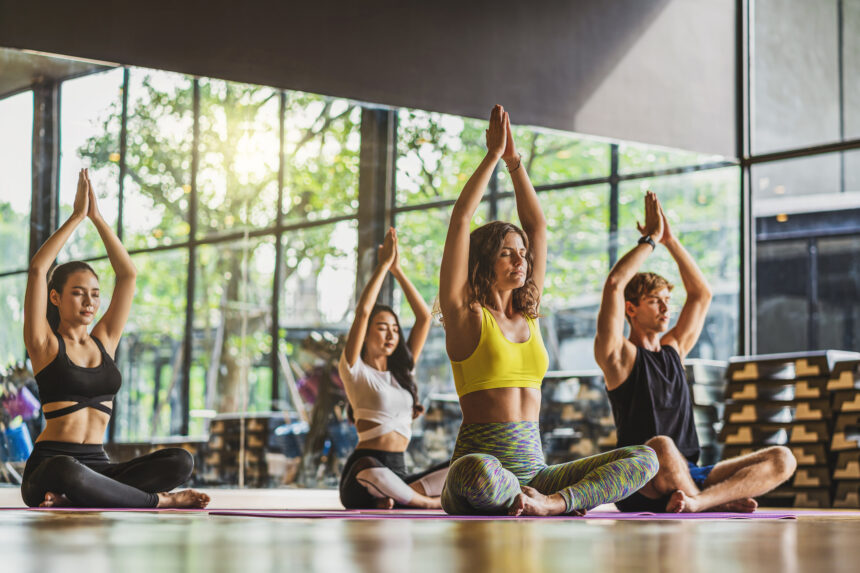
From improving flexibility to supporting mental well-being, yoga offers benefits that can enhance overall health at any age.
Introduction
Over the years, yoga has evolved from an ancient practice into a global wellness movement embraced by millions of people. Some are drawn to yoga to improve flexibility and strength, while others turn to it for stress relief, relaxation, and mental clarity.
One of the reasons yoga remains so popular is its accessibility. Whether you are young or old, physically active or just beginning your fitness journey, there is a form of yoga that can suit your needs and abilities.
Beyond the physical postures, yoga encourages a deeper connection between the mind and body. It teaches awareness, controlled breathing, and mindfulness, making it much more than just a form of exercise.
What Is Yoga?
Yoga is a mind-body discipline that combines physical postures, breathing techniques, and meditation or relaxation practices.
The word “yoga” comes from an ancient Sanskrit term meaning “to unite” or “to join.” Traditionally, yoga was developed as a practice to create harmony between the body, mind, and spirit.
Today, yoga is practiced in many forms and styles, ranging from gentle and restorative sessions to more physically demanding routines.
Although approaches may vary, most forms of yoga focus on improving physical health while promoting mental and emotional balance.
The Main Components of Yoga
Yoga involves several elements that work together to create its benefits.
Physical Postures (Asanas)
These are the movements and poses most people associate with yoga. They help improve flexibility, balance, strength, and body awareness.
Breathing Techniques (Pranayama)
Controlled breathing exercises are an essential part of yoga. They help calm the nervous system, improve focus, and support relaxation.
Meditation and Mindfulness
Many yoga practices incorporate mindfulness or meditation to help practitioners stay present and reduce mental stress.
Relaxation
Most yoga sessions end with a period of relaxation, allowing the body and mind to absorb the benefits of the practice.
MUST READ: Vitamin D Deficiency: Signs, Causes, and How to Boost Your Levels Naturally
Types of Yoga
There is no single way to practice yoga. Various styles have developed over time to meet different needs and preferences.
Hatha Yoga
Hatha yoga is often recommended for beginners because it focuses on basic poses and slower-paced movements.
Vinyasa Yoga
This style involves flowing movements that connect one pose to another through coordinated breathing.
Ashtanga Yoga
Ashtanga follows a structured sequence of poses and tends to be more physically demanding.
Power Yoga
Power yoga is a fitness-oriented style that combines strength, flexibility, and endurance.
Yin Yoga
Yin yoga focuses on holding poses for extended periods to stretch deeper connective tissues and promote relaxation.
Restorative Yoga
This gentle practice uses props and supported poses to encourage deep rest and stress relief.
Physical Benefits of Yoga
One of the biggest reasons people begin practicing yoga is to improve physical health.
Regular yoga practice may help:
- Increase flexibility
- Improve balance and coordination
- Build muscle strength
- Support joint health
- Improve posture
- Enhance mobility
- Reduce muscle tension
- Promote better body awareness
For many people, yoga can also complement other forms of exercise by improving movement quality and recovery.
Mental and Emotional Benefits of Yoga
The benefits of yoga extend beyond physical fitness. Many practitioners report improvements in their emotional well-being and ability to cope with daily stress.
Potential mental health benefits include:
- Reduced stress levels
- Improved focus and concentration
- Better emotional regulation
- Increased feelings of calm
- Enhanced mindfulness
- Improved sleep quality
The combination of movement, breathing, and relaxation may help lower stress hormones and encourage a sense of balance.
Can Yoga Help With Stress and Anxiety?
One of the most widely recognized benefits of yoga is its ability to promote relaxation.
Breathing exercises and mindfulness techniques encourage the body to shift away from a constant state of stress. This may help reduce feelings of anxiety, tension, and overwhelm.
While yoga is not a replacement for professional mental health care, it can be a valuable part of a broader self-care routine.
Who Can Practice Yoga?
Yoga can be adapted for people of different ages, fitness levels, and physical abilities.
Children, adults, older adults, athletes, and even individuals recovering from certain injuries may benefit from appropriately modified yoga practices.
Beginners should start with simple classes or guided instruction to learn proper techniques and reduce the risk of injury.
Individuals with medical conditions should consult a healthcare professional before beginning a new exercise program.
Tips for Starting Yoga
Beginning a yoga practice does not require expensive equipment or advanced fitness levels.
Here are a few tips for beginners:
- Start with beginner-friendly classes
- Wear comfortable clothing
- Focus on proper breathing
- Move at your own pace
- Avoid comparing yourself to others
- Listen to your body
- Practice consistently rather than striving for perfection
Remember that progress in yoga is not about achieving difficult poses but about developing awareness and balance over time.
Common Misconceptions About Yoga
Many people assume yoga is only for highly flexible individuals, but flexibility is not a requirement.
Others believe yoga is too gentle to provide fitness benefits. In reality, many styles can be physically challenging and help build strength and endurance.
Another misconception is that yoga is only about exercise. While physical movement is important, yoga also emphasizes breathing, mindfulness, and mental well-being.
When Yoga May Not Be Appropriate
Although yoga is generally safe, some poses may not be suitable for everyone.
People with certain medical conditions, injuries, balance issues, or recent surgeries may need modifications or specialized instruction.
Working with a qualified instructor can help ensure a safe and effective practice.
Final Thoughts
Yoga is a powerful practice that supports both physical and mental health. By combining movement, breathing, and mindfulness, it offers benefits that extend far beyond flexibility and fitness.
Whether your goal is to reduce stress, improve strength, increase mobility, or simply create a greater sense of balance in your life, yoga provides a flexible and accessible way to support overall well-being.