

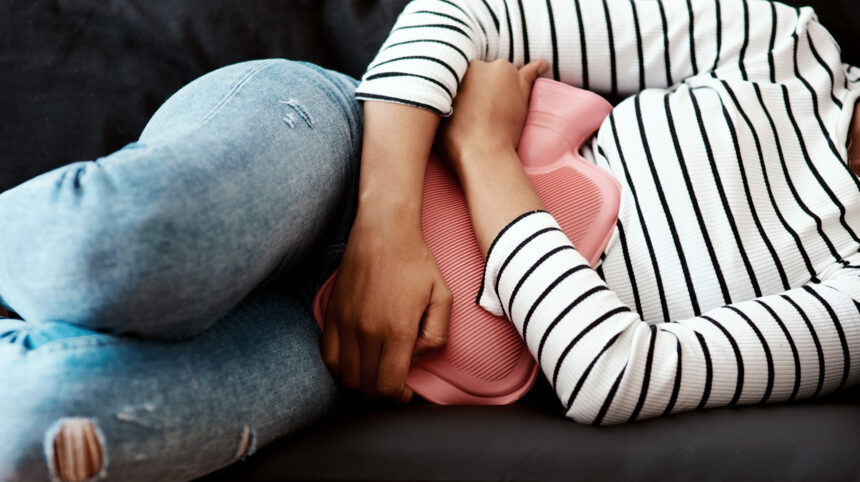
Menstrual cramps are a common part of the monthly cycle for many women, but severe pain should never be dismissed as “normal.”
Introduction
For millions of women and girls around the world, menstruation is accompanied by pain that ranges from mild discomfort to debilitating cramps.
These menstrual cramps, medically known as dysmenorrhea, often begin just before or during menstruation and can interfere with work, school, exercise, and daily activities.
Although mild cramping is common, intense or persistent pain is not something that should simply be endured. In some cases, severe menstrual pain may signal an underlying medical condition that requires attention.
By understanding why menstrual cramps occur and how they can be managed, women can take proactive steps to improve their comfort and overall reproductive health.
What Are Menstrual Cramps?
Menstrual cramps are throbbing or cramping pains in the lower abdomen that occur before or during a menstrual period.
The pain is caused by contractions of the uterus as it sheds its lining each month. These contractions are triggered by hormone-like substances called prostaglandins.
Higher levels of prostaglandins are associated with stronger uterine contractions and, consequently, more intense pain.
For some women, the discomfort lasts only a few hours, while for others it may continue for two or three days.
Types of Menstrual Cramps
Healthcare professionals classify painful periods into two main types based on their underlying cause.
Primary Dysmenorrhea
Primary dysmenorrhea refers to menstrual pain that is not caused by another medical condition. It usually begins within a few years after a girl’s first menstrual period and often becomes less severe with age or after childbirth.
The pain is primarily related to the natural production of prostaglandins during menstruation.
Secondary Dysmenorrhea
Secondary dysmenorrhea occurs when menstrual pain is caused by an underlying reproductive health condition. Unlike primary dysmenorrhea, the pain often begins later in life and may worsen over time.
Conditions such as endometriosis, uterine fibroids, adenomyosis, pelvic inflammatory disease, or ovarian cysts can contribute to secondary dysmenorrhea. Identifying and treating the underlying cause is essential for long-term relief.
Common Symptoms of Menstrual Cramps
While pain is the hallmark symptom, many women experience additional symptoms that accompany their menstrual period.
These may include aching or pressure in the lower abdomen, pain that spreads to the lower back or thighs, nausea, vomiting, diarrhea, headaches, fatigue, dizziness, and general discomfort. Some women also report feeling weak or having difficulty concentrating because of the intensity of the pain.
What Increases the Risk of Painful Periods?
Painful periods are more common in younger women, particularly those under the age of 30. Beginning menstruation at an early age, having heavy menstrual bleeding, smoking, high levels of stress, a family history of painful periods, and irregular menstrual cycles may also increase the likelihood of experiencing dysmenorrhea.
How Can Menstrual Cramps Be Managed?
Although menstrual cramps can be uncomfortable, several strategies can help reduce pain and improve quality of life.
Heat Therapy
Applying a heating pad or hot water bottle to the lower abdomen helps relax the uterine muscles and may reduce the intensity of cramps. Many women find this to be one of the simplest and most effective home remedies.
Stay Physically Active
While exercise may be the last thing you feel like doing during a painful period, light physical activity such as walking, stretching, or yoga can improve blood circulation and stimulate the release of endorphins, the body’s natural pain relievers.
Eat a Balanced Diet
A nutritious diet supports overall health and may help reduce inflammation. Eating plenty of fruits, vegetables, whole grains, legumes, nuts, and foods rich in omega-3 fatty acids may contribute to better menstrual health.
Limiting excessive salt, caffeine, alcohol, and highly processed foods may also help reduce bloating and discomfort during menstruation.
Stay Hydrated
Drinking enough water can help reduce bloating and support the body’s normal functions. Warm herbal teas may also provide comfort and promote relaxation during menstruation.
Get Enough Rest
Adequate sleep allows the body to recover and cope better with pain. Managing stress through relaxation techniques, meditation, or deep breathing exercises may also reduce the severity of menstrual symptoms.
Use Pain Relief Medications When Necessary
Over-the-counter pain relievers, particularly nonsteroidal anti-inflammatory drugs (NSAIDs), can help reduce prostaglandin production and relieve menstrual cramps. These medications are generally most effective when taken at the first sign of pain or just before menstruation begins.
Always use medications according to the instructions on the label or as advised by a healthcare professional.
MUST READ:Staying Healthy During Nigeria’s Rainy Season
When Should You See a Doctor?
Medical evaluation is important if menstrual cramps suddenly become much worse, do not improve with pain relief measures, interfere significantly with daily activities, occur outside the menstrual period, or are accompanied by unusually heavy bleeding, fever, abnormal vaginal discharge, or pain during sexual intercourse.
A healthcare provider can determine whether an underlying condition is responsible and recommend appropriate treatment.
Can Menstrual Cramps Be Prevented?
Regular physical activity, maintaining a healthy weight, eating a balanced diet, getting adequate sleep, avoiding smoking, and managing stress can all contribute to improved menstrual health. Routine gynecological check-ups are also important for identifying conditions that may cause painful periods.
Final Thoughts
Menstrual cramps are a common experience for many women, but they should not be accepted as an inevitable part of life when the pain is severe or disabling. Understanding the difference between normal menstrual discomfort and symptoms that require medical attention is essential for protecting reproductive health.
If painful periods are affecting your daily life, do not hesitate to seek medical advice. With the right diagnosis, lifestyle adjustments, and appropriate treatment, most women can find effective relief and continue to live healthy, active lives.