

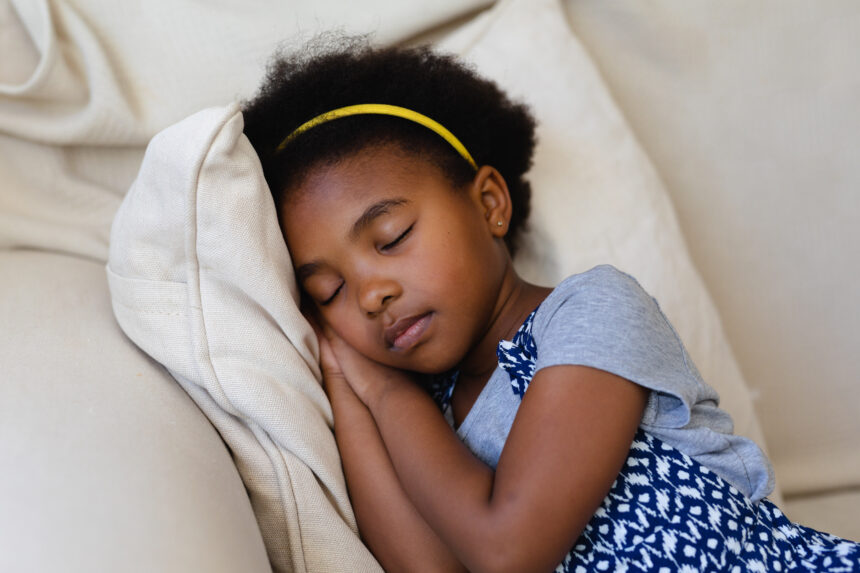
Sleep is just as important as healthy eating and regular physical activity for a child’s growth and development. Getting the right amount of sleep helps children learn, grow, stay healthy, and manage their emotions.
Introduction
Many parents worry about whether their child is getting enough sleep. Between school, homework, screen time, extracurricular activities, and busy family schedules, it can be difficult to maintain a consistent bedtime routine.
However, sleep is not simply a time for rest. While children sleep, their brains process new information, growth hormones are released, and their bodies repair and prepare for the next day. A lack of sleep can affect a child’s mood, behaviour, learning, immune system, and overall health.
The amount of sleep a child needs changes as they grow. Babies require much more sleep than teenagers, and every stage of childhood comes with different sleep requirements.
Why Is Sleep So Important for Children?
Children who get enough sleep are more likely to perform well in school, maintain a healthy weight, have stronger immune systems, and cope better with daily challenges.
Quality sleep also improves memory, attention, problem-solving skills, and emotional well-being.
On the other hand, insufficient sleep can lead to irritability, poor concentration, behavioural problems, weakened immunity, and an increased risk of obesity and other health conditions.
How Much Sleep Do Children Really Need?
Sleep requirements vary according to a child’s age. The following recommendations are based on guidance from sleep and child health experts.
1. Newborns (0 to 3 Months)
Newborn babies generally need 14 to 17 hours of sleep each day.
Their sleep is usually spread throughout the day and night because their feeding schedule is frequent. It is normal for newborns to wake every few hours for feeding.
2. Infants (4 to 12 Months)
Babies between four and twelve months usually require 12 to 16 hours of sleep every 24 hours, including daytime naps.
Establishing a consistent bedtime routine during this stage can encourage healthy sleep habits as the child grows.
3. Toddlers (1 to 2 Years)
Toddlers typically need 11 to 14 hours of sleep each day, including one or two daytime naps.
Adequate sleep supports rapid brain development, language learning, and physical growth during these active years.
4. Preschool Children (3 to 5 Years)
Children between three and five years of age generally need 10 to 13 hours of sleep daily, which may include an afternoon nap.
As children become more active and begin preschool, maintaining a regular bedtime becomes increasingly important.
5. School-Age Children (6 to 12 Years)
School-age children should aim for 9 to 12 hours of sleep each night.
At this stage, sufficient sleep improves concentration, academic performance, behaviour, and physical health.
6. Teenagers (13 to 18 Years)
Teenagers need approximately 8 to 10 hours of sleep every night.
Although many teenagers stay up late because of homework, social activities, or electronic devices, their growing bodies and developing brains still require adequate sleep.
MUST READ: Can One Minute of Exercise a Day Keep Your Organs Healthy?
Signs That Your Child May Not Be Getting Enough Sleep
Children do not always say they are tired. Their behaviour often provides important clues.
Some common signs include:
- Difficulty waking up in the morning.
- Frequent irritability or mood swings.
- Falling asleep during school, homework, or car rides.
- Difficulty paying attention or remembering information.
- Hyperactivity or unusual restlessness.
- Frequent tantrums in younger children.
- Reduced interest in play or learning.
- Weakened immune function, leading to frequent illnesses.
If these signs occur regularly, it may be time to review your child’s sleep routine.
What Can Prevent Children from Sleeping Well?
Excessive screen time before bed, irregular sleep schedules, caffeine-containing drinks, noisy sleeping environments, anxiety, stress, illness, and uncomfortable room temperatures can all make it harder for children to fall asleep or stay asleep.
Inconsistent bedtime routines may also contribute to poor-quality sleep.
Tips for Helping Children Sleep Better
Healthy sleep habits can make a significant difference.
1. Keep a Consistent Bedtime
Try to put your child to bed and wake them up at approximately the same time every day, including weekends. Consistency helps regulate the body’s internal clock.
2. Create a Relaxing Bedtime Routine
A warm bath, reading a story, listening to calming music, or quiet conversation can help children relax before bedtime.
Avoid exciting games or stimulating activities close to bedtime.
3. Limit Screen Time Before Bed
The blue light from phones, tablets, televisions, and computers can interfere with the production of melatonin, the hormone that helps regulate sleep.
Aim to switch off electronic devices at least one hour before bedtime.
4. Make the Bedroom Comfortable
A cool, quiet, dark, and comfortable sleeping environment encourages better sleep.
Comfortable bedding and minimal noise can help children sleep more soundly.
5. Encourage Daily Physical Activity
Children who are physically active during the day often fall asleep more easily at night.
However, vigorous exercise should be avoided immediately before bedtime.
6. Avoid Sugary and Caffeinated Drinks at Night
Soft drinks, energy drinks, chocolate, and some teas contain caffeine or sugar that may interfere with sleep.
Offer water or milk instead during the evening.
When Should Parents Seek Medical Advice?
Consult a healthcare professional if your child regularly snores loudly, stops breathing during sleep, has frequent nightmares or sleepwalking episodes, struggles to fall asleep for long periods, or continues to show signs of poor sleep despite following healthy sleep habits.
Early assessment can help identify conditions such as sleep apnea or other sleep disorders that may affect your child’s health and development.
Final Thoughts
Getting enough sleep is one of the most important things children need to grow, learn, and stay healthy. Every stage of childhood has different sleep requirements, and ensuring that children get the recommended amount of rest can improve their physical health, emotional well-being, and academic performance.
As a parent or caregiver, establishing consistent bedtime routines, limiting screen time before bed, and creating a calm sleeping environment can help your child develop healthy sleep habits that last well into adulthood. Remember, a well-rested child is often a happier, healthier, and more energetic child.