

Eating healthy does not always require expensive imported foods, supplements, or specialty products. Nigeria has many affordable and accessible foods that provide protein, vitamins, minerals, healthy fats, fiber, and other nutrients needed for good health.
Introduction
There is a common belief that healthy eating is expensive. With the rising cost of food, many families may feel that nutritious meals are only possible when the budget is large.
The good news is that many nutrient-rich foods are already part of traditional Nigerian diets.
Foods such as beans, eggs, sweet potatoes, vegetables, groundnuts, sardines, fruits, and locally available grains can provide important nutrients without requiring expensive grocery shopping.
The key is not necessarily to buy the most expensive food. It is to choose nutritious foods, combine different food groups, and make the most of what is locally available and affordable.
What Makes a Food Nutrient-Rich?
A nutrient-rich food provides plenty of essential nutrients relative to the amount of calories it contains.
These nutrients can include protein, fiber, healthy fats, vitamins, and minerals such as iron, calcium, potassium, magnesium, and zinc.
Eating a variety of these foods can help support energy, immunity, healthy blood, strong bones, muscle development, and overall well-being.
10 Affordable Nigerian Foods Packed With Nutrients
You do not need expensive ingredients to build nutritious meals. These affordable foods can provide a strong nutritional foundation when included as part of a balanced diet.
1. Beans
Beans are one of the most valuable affordable foods in Nigeria.
They provide plant-based protein, fiber, folate, iron, potassium, magnesium, and other nutrients.
Beans can also be very filling, making them useful for families trying to prepare satisfying meals on a budget.
They can be prepared as bean porridge, cooked beans, moi moi, akara, or combined with foods such as rice and plantain.
Simple idea
Try combining beans with vegetables and a modest amount of healthy oil for a nutritious and satisfying meal.
2. Eggs
Eggs are a relatively affordable source of high-quality protein.
They also provide nutrients such as vitamin B12, selenium, choline, riboflavin, and other vitamins and minerals.
Eggs are particularly convenient because they can be prepared quickly and added to many meals.
Boiled eggs can accompany breakfast, while eggs can also be prepared with vegetables or added to rice, yam, potatoes, and other meals.
3. Groundnuts
Groundnuts are an affordable source of healthy fats and plant-based protein.
They also provide fiber, magnesium, vitamin E, and other nutrients.
Because groundnuts are energy-dense, a small serving can provide substantial calories and nutrients.
They can be eaten on their own or combined with other foods such as fruits.
People with peanut allergies should avoid them.
4. Sweet Potatoes
Sweet potatoes are an affordable source of carbohydrates and can provide fiber, potassium, and beta-carotene, particularly in orange-fleshed varieties.
Beta-carotene is converted by the body into vitamin A, which is important for normal vision and immune function.
Boiled or roasted sweet potatoes can be paired with eggs, beans, fish, or vegetables to create a more balanced meal.
5. Sardines
Sardines can provide an impressive combination of nutrients in a relatively small serving.
They provide protein and are also a source of omega-3 fatty acids, vitamin B12, and selenium. Sardines eaten with their soft edible bones can also provide calcium.
When choosing canned sardines, checking the label for sodium content can be useful, particularly for people who need to limit salt.
Sardines can be added to rice, beans, vegetables, bread, or other meals.
6. Green Leafy Vegetables
Nigerian leafy vegetables such as ugu, ewedu, waterleaf, and spinach can contribute important vitamins, minerals, fiber, and beneficial plant compounds to the diet.
The nutritional content varies between different vegetables, but including a variety of vegetables is an excellent way to improve the overall quality of meals.
They can be incorporated into soups, stews, sauces, or vegetable-based meals.
A simple rule
Instead of waiting for vegetables to become an occasional addition, try to make them a regular part of your meals.
7. Bananas
Bananas are widely available and can be an affordable source of carbohydrates, potassium, and vitamin B6.
They are also convenient because they require no cooking and can be eaten as a snack or added to breakfast.
Pairing a banana with groundnuts or another protein-rich food can make it a more satisfying snack.
8. Oats
Oats can provide carbohydrates, fiber, protein, magnesium, and other nutrients.
They are particularly useful for breakfast and can be prepared with milk or yoghurt and combined with fruits, groundnuts, or seeds.
The fiber in oats includes beta-glucan, a type of soluble fiber associated with heart-health benefits.
Choosing plain oats rather than heavily sweetened instant varieties can help reduce added sugar.
9. Maize
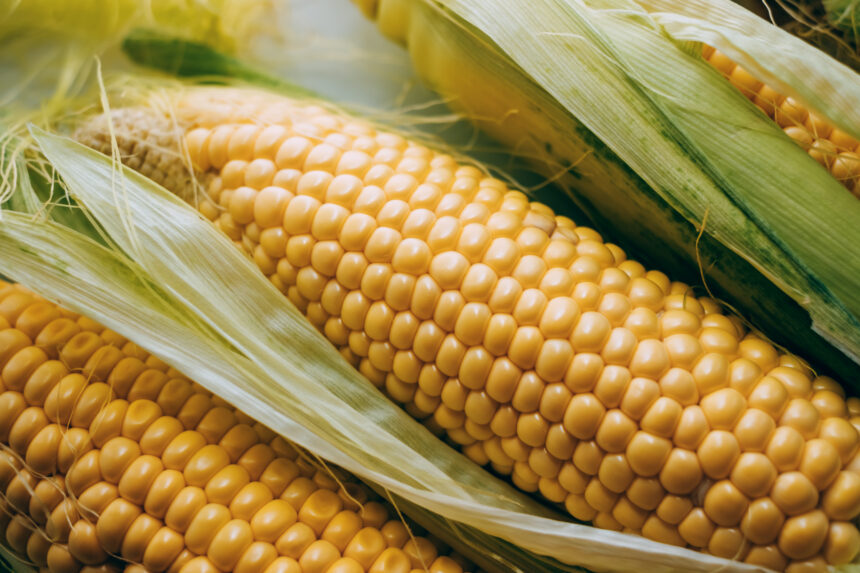
Maize is an important staple food in Nigeria and provides carbohydrates for energy.
It also contains fiber and various vitamins and minerals, although the nutritional profile depends on the variety and how it is processed.
Boiled or roasted maize can be eaten with beans, groundnuts, vegetables, or other protein-rich foods.
Combining maize with other food groups makes it easier to create a more nutritionally balanced meal.
10. Local Fruits
Many Nigerian fruits can provide valuable nutrients without costing as much as some imported fruits.
Depending on season and location, options can include oranges, pawpaw, watermelon, guava, pineapple, mangoes, bananas, and garden eggs.
Fruits provide vitamins, minerals, fiber, water, and various beneficial plant compounds.
Buying fruits that are in season and locally available can often be a more affordable way to include them regularly.
MUST READ: Why Crash Diets Often Fail
How to Build a Nutritious Meal on a Budget
Healthy eating is not about buying every nutritious food available. It is about combining affordable foods intelligently.
A simple Nigerian meal can contain a carbohydrate source, a protein source, vegetables or fruit, and a moderate amount of healthy fat.
For example, beans and plantain can be accompanied by vegetables. Rice can be paired with beans, vegetables, or fish. Yam can be served with eggs and vegetable sauce.
These combinations can provide more nutritional variety than relying heavily on one type of food.
Choose Seasonal Foods
Seasonal foods are often more affordable because they are more readily available.
Rather than buying the same fruits and vegetables throughout the year, consider choosing whatever nutritious produce is abundant and reasonably priced at the time.
This can help reduce food costs while increasing variety.
Buy Local When Possible
Nigeria has many nutritious traditional foods that can form the foundation of a healthy diet.
Beans, millet, sorghum, maize, vegetables, fruits, eggs, fish, groundnuts, sweet potatoes, and other locally available foods can all contribute important nutrients.
Imported foods are not automatically healthier simply because they are more expensive.
Make Meals From Basic Ingredients
Cooking more meals from basic ingredients can sometimes be more economical than relying heavily on packaged convenience foods.
A pot of beans, for example, can provide several servings and can be combined with different foods throughout the week.
The same principle can be applied to grains, vegetables, soups, and other staple foods.
Do Not Forget Protein
One common mistake when eating on a tight budget is focusing heavily on carbohydrates while neglecting protein.
Rice, yam, garri, bread, and other carbohydrate-rich foods can provide energy, but a balanced diet also needs adequate protein.
Affordable options can include beans, eggs, groundnuts, sardines, other locally available fish, and some cuts of poultry or meat depending on prices.
Watch How Food Is Prepared
A nutritious ingredient can become part of a less healthy meal depending on how it is prepared.
Deep-frying large amounts of food or adding excessive salt, sugar, or oil can significantly change the nutritional profile of a meal.
Boiling, steaming, grilling, baking, or using moderate amounts of oil can be useful preparation methods.
This does not mean that fried foods can never be eaten. It simply means that preparation method and portion size matter.
Affordable Does Not Mean Boring
Eating on a budget does not have to mean eating the same meal every day.
Beans can become bean porridge, moi moi, akara, or a side dish.
Eggs can be boiled, scrambled, or prepared with vegetables.
Sweet potatoes can be boiled or roasted and paired with different protein sources.
Local vegetables can be used in different soups and sauces.
Changing combinations and preparation methods can make affordable foods more enjoyable while providing nutritional variety.
What About Expensive “Superfoods”?
Foods such as chia seeds, quinoa, imported berries, specialty protein powders, and other fashionable products can have nutritional value, but they are not essential for a healthy diet.
Many nutrients found in these foods can also be obtained from more affordable foods that are available locally.
For many Nigerian households, focusing on variety, balance, portion sizes, and minimally processed foods can be more practical than trying to purchase expensive health foods.
Final Thoughts
Healthy eating does not have to break the bank. Nigeria has a wide range of affordable foods that can provide protein, fiber, vitamins, minerals, healthy fats, and other nutrients. Beans, eggs, groundnuts, sweet potatoes, sardines, leafy vegetables, bananas, oats, maize, and local fruits are just some examples.
The secret is not finding one perfect food. It is learning how to combine affordable foods to create balanced and satisfying meals. With thoughtful shopping, seasonal choices, local ingredients, and sensible food preparation, it is possible to eat a nutritious diet even when the food budget is limited.