

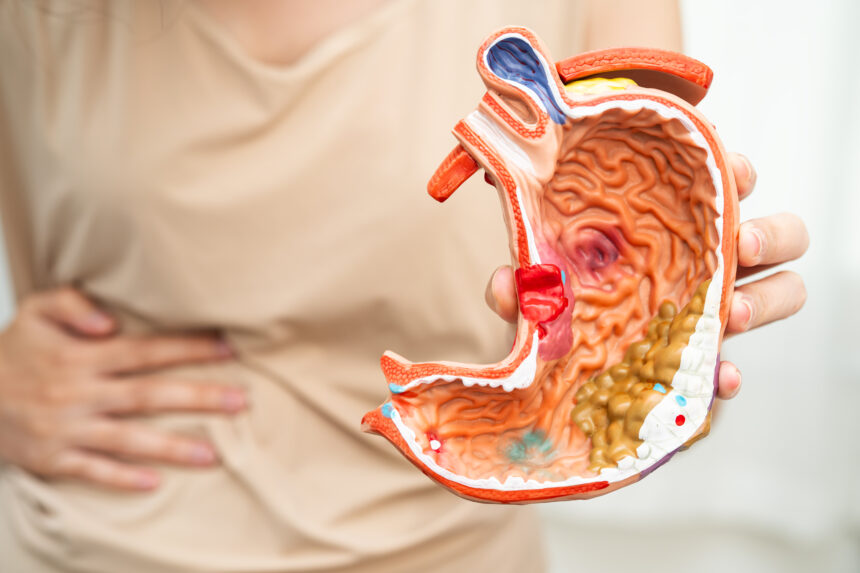
A stomach ulcer can develop quietly or cause noticeable digestive symptoms. Knowing the warning signs can help you seek medical attention early and avoid complications.
Introduction
Stomach pain is a common complaint, but persistent or recurring pain in the upper part of the abdomen should not always be dismissed as ordinary indigestion.
One possible cause is a peptic ulcer, which is an open sore that develops in the lining of the stomach or the first part of the small intestine.
Peptic ulcers are commonly associated with infection with Helicobacter pylori (H. pylori) and regular use of certain pain-relieving medicines known as nonsteroidal anti-inflammatory drugs (NSAIDs), including medicines such as ibuprofen and aspirin.
Some people with ulcers have no obvious symptoms until a complication develops. For others, the symptoms can be uncomfortable and affect eating, sleeping and everyday activities.
Here are some important signs of an ulcer that you should know.
What Is a Stomach Ulcer?
A stomach ulcer is a type of peptic ulcer that occurs when a sore develops in the protective lining of the stomach. A similar ulcer can develop in the duodenum, which is the first section of the small intestine.
The digestive system has natural protective mechanisms that help shield its lining from stomach acid. When this protection is weakened or damaged, an ulcer can develop.
Signs and Symptoms of an Ulcer
Ulcer symptoms can vary from person to person, but certain signs are more commonly associated with peptic ulcers.
1. Burning or Gnawing Pain in the Upper Abdomen
One of the most common symptoms is a burning, aching or gnawing pain in the upper part of the abdomen, particularly between the breastbone and the belly button.
The pain may come and go rather than remain constant. Some people notice it when their stomach is empty, while others may experience discomfort after eating.
2. Stomach Pain That Keeps Coming Back
An ulcer-related pain may disappear temporarily and then return. You may experience periods when you feel relatively well followed by episodes of abdominal discomfort.
Recurring pain should not simply be treated repeatedly at home without determining its underlying cause.
3. Bloating
Some people with peptic ulcers experience a feeling of fullness or bloating. Your abdomen may feel uncomfortable even after eating a relatively small amount of food.
However, bloating has many possible causes, so having bloating alone does not mean that you have an ulcer.
4. Feeling Full Quickly
You may feel full sooner than usual when eating. This can make it difficult to finish meals and, in some cases, may lead to reduced food intake.
If this happens frequently or is accompanied by unexplained weight loss, medical evaluation is important.
5. Nausea or Vomiting
An ulcer can sometimes cause nausea or vomiting. Some people may feel sick after eating, while others experience nausea alongside abdominal pain.
Persistent vomiting should not be ignored, particularly if there is blood in the vomit.
6. Heartburn or Indigestion
Some people with peptic ulcers experience indigestion, discomfort after eating or a burning sensation in the upper abdomen.
These symptoms can overlap with other digestive conditions, including acid reflux, gastritis and gallbladder problems. This is why symptoms alone cannot confirm that an ulcer is present.
7. Loss of Appetite
Abdominal discomfort, nausea or the fear of experiencing pain after eating can cause some people to lose interest in food.
A persistent loss of appetite should be investigated, especially if it results in unintended weight loss.
8. Unexplained Weight Loss
Losing weight without deliberately changing your diet or exercise routine can be a warning sign that requires medical attention.
An ulcer may contribute to weight loss through reduced appetite or discomfort with eating, but unexplained weight loss can also have many other causes.
MUST READ: Wound on the Gum: Causes, Treatment and When to See a Dentist
What Are the Warning Signs of a Bleeding Ulcer?
A person with a bleeding ulcer may vomit blood or material that looks like coffee grounds. The stool may also become black, sticky and unusually dark because of digested blood.
Significant blood loss can cause weakness, dizziness, fainting, rapid heartbeat or unusual tiredness.
If you vomit blood, pass black or bloody stools, feel faint or experience severe weakness, seek emergency medical care immediately.
Can an Ulcer Cause Severe Stomach Pain?
Yes. Although ulcer pain can sometimes be mild or intermittent, severe or sudden abdominal pain can indicate a complication such as perforation.
A perforated ulcer occurs when an ulcer creates a hole through the wall of the stomach or intestine. This can allow digestive contents to leak into the abdominal cavity and cause a serious infection.
Sudden, severe abdominal pain, particularly when accompanied by a rigid or very tender abdomen, requires emergency medical attention.
What Causes Stomach Ulcers?
One major cause is infection with H. pylori, a type of bacteria that can damage the protective lining of the stomach and contribute to ulcer formation.
Another important cause is frequent or long-term use of NSAIDs. These medicines are commonly used to relieve pain and inflammation, but regular use can damage the stomach lining and increase the risk of ulcers and bleeding.
Smoking can also increase the risk of ulcers and interfere with healing. Other factors can contribute to digestive symptoms, but spicy foods and stress are not considered the primary causes of most peptic ulcers.
How Is an Ulcer Diagnosed?
Symptoms alone cannot reliably confirm that someone has an ulcer. A healthcare professional may review your symptoms, medical history and medications and may recommend testing for H. pylori.
Depending on your symptoms and risk factors, additional investigations may be necessary. An upper gastrointestinal endoscopy can allow a doctor to examine the lining of the oesophagus, stomach and duodenum and identify an ulcer.
Can Stomach Ulcers Be Treated?
Yes. Treatment depends on the cause.
When H. pylori is responsible, treatment generally involves a combination of medicines designed to eliminate the infection and reduce stomach acid.
When an NSAID is contributing to the ulcer, a healthcare professional may recommend stopping, changing or adjusting the medicine and may prescribe treatment to help the ulcer heal.
Medicines that reduce stomach acid are commonly used in ulcer treatment. The appropriate treatment depends on the individual’s condition, so it is better to seek medical advice rather than repeatedly treating suspected ulcers without a proper diagnosis.
When Should You See a Doctor?
You should seek medical attention if you have persistent or recurring upper abdominal pain, unexplained weight loss, ongoing nausea or vomiting, difficulty eating, or symptoms that continue despite simple measures.
People who regularly use painkillers such as NSAIDs should also discuss persistent stomach symptoms with a healthcare professional.
Seek emergency care if you vomit blood, pass black or bloody stools, develop sudden severe abdominal pain, faint or experience symptoms suggesting significant blood loss.
Stomach Ulcer Is Not the Same as a Mouth Ulcer
It is important to understand that a stomach ulcer and a mouth ulcer are different conditions.
A mouth ulcer is a sore that develops inside the mouth, often on the tongue, gums, cheeks or lips. A stomach ulcer develops in the stomach or duodenum.
Therefore, having a sore in the mouth does not mean that you have a stomach ulcer.
Final Thoughts
An ulcer can cause symptoms ranging from recurring upper abdominal pain and bloating to nausea, loss of appetite and unexplained weight loss. However, many of these symptoms can also occur with other digestive conditions, so symptoms alone are not enough to diagnose an ulcer.
If you repeatedly experience stomach discomfort, it is important to find the underlying cause rather than continually taking medication without medical guidance. Early diagnosis and appropriate treatment can help an ulcer heal and reduce the risk of serious complications such as bleeding or perforation.