

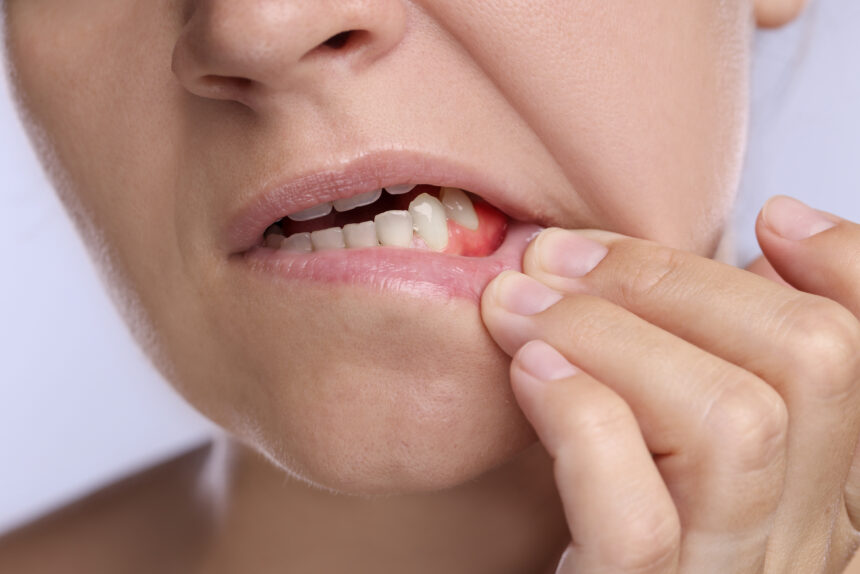
A wound on the gum can be painful and uncomfortable, but many minor gum injuries heal on their own.
Introduction
The gums protect the tissues around your teeth and help keep your mouth healthy. Because they are constantly exposed to food, drinks, toothbrushes and other objects in the mouth, they can sometimes become injured, irritated or infected.
A wound on the gum may appear as a small cut, sore, ulcer, swelling, red patch or area that bleeds easily. In some cases, it may be caused by something as simple as brushing too hard or accidentally biting the gum.
However, persistent or worsening wounds can sometimes be associated with gum disease, infection or another underlying problem.
Knowing the possible causes and warning signs can help you decide whether simple home care is enough or whether you should see a dentist.
What Can Cause a Wound on the Gum?
There are several possible reasons why a wound may develop on the gum. Some are minor and temporary, while others require dental treatment.
1. Accidental Injury
One of the most common causes is physical injury. You may accidentally bite your gum while eating, injure it with a sharp piece of food or scratch it with a hard toothbrush.
Eating foods with sharp edges, such as bones, hard chips or some types of nuts, can also injure the gum.
2. Brushing Too Hard
Aggressive brushing can damage the delicate gum tissue. Using a toothbrush with hard bristles or applying excessive pressure may cause small cuts, irritation and bleeding.
Brushing should be gentle but thorough. A soft-bristled toothbrush is generally a better choice for protecting the gums.
3. Mouth Ulcers
A small painful sore on the gum may be a mouth ulcer. These sores can develop inside the mouth and may appear as a round or oval wound with a white, yellowish or grey centre surrounded by redness.
Minor ulcers often heal without treatment, although they can be uncomfortable while they are present.
4. Gum Disease
Gum disease can cause the gums to become red, swollen, tender and prone to bleeding. In more advanced cases, the gums can develop areas of damage or infection.
If the wound is accompanied by persistent gum bleeding, bad breath, swelling or loose teeth, it is important to have your mouth examined by a dentist.
5. Dental Procedures
A wound or sore area can sometimes occur after dental treatment. Procedures such as tooth extraction, dental surgery or other treatments can temporarily leave the gum injured while it heals.
Your dentist should provide specific instructions for caring for the affected area after a procedure.
6. Dentures, Braces or Other Dental Appliances
Dentures, braces and other dental appliances can sometimes rub against the gum and cause irritation or an open sore.
If the same area keeps getting injured, the appliance may need to be adjusted by a dentist.
7. Tooth Infection
An infection around a tooth can sometimes cause swelling, tenderness or a sore area on the gum. An abscess may appear as a painful swelling or pimple-like bump on the gum.
A dental abscess should not be ignored because the infection can spread beyond the affected tooth and surrounding tissues.
8. Food Trapped Between the Teeth
Food particles that become trapped between the teeth can irritate the surrounding gum. If they remain there, bacteria can multiply and cause inflammation.
Gentle cleaning with dental floss or an appropriate interdental cleaner can help remove trapped food. Avoid using sharp objects to dig into the gum because this can cause further injury.
MUST READ: Signs of a Skin Infection
What Does a Gum Wound Look Like?
A gum wound can look different depending on its cause. It may appear as a small cut, red or swollen area, open sore, white or yellow spot, bleeding area or raised bump.
The appearance alone cannot always tell you what caused it. Other symptoms, including pain, swelling, fever, pus, bad breath and changes around the teeth, can provide important clues.
How Can You Care for a Minor Gum Wound at Home?
Rinse your mouth gently with clean water and keep the area clean. Continue brushing your teeth, but be gentle around the injured area and avoid brushing directly over an open wound with excessive pressure.
You can also rinse your mouth with warm salt water to help keep the area clean. Do not make the solution excessively salty, and avoid vigorous rinsing because this may irritate the wound.
Try to avoid very hot, spicy, acidic or hard foods if they make the wound more painful. Softer foods may be more comfortable while the gum heals.
Do not repeatedly touch, squeeze or scratch the wound with your fingers or other objects.
How Long Does a Gum Wound Take to Heal?
Many minor injuries inside the mouth heal relatively quickly because oral tissues have a good blood supply. However, the healing time depends on the cause, size and location of the wound.
A wound that is not improving, keeps returning or continues to become more painful should be assessed by a dentist or other qualified healthcare professional.
When Should You See a Dentist?
A gum wound deserves professional attention if it does not appear to be healing or if the cause is unclear.
You should particularly consider seeing a dentist if the wound lasts longer than expected, keeps coming back, becomes increasingly painful, bleeds repeatedly, or is accompanied by swollen gums, persistent bad breath, pus or tooth pain.
You should also seek dental care if you have a lump, thickened area or persistent sore in the mouth that does not heal.
When Is a Gum Wound an Emergency?
A gum problem accompanied by significant facial or mouth swelling, difficulty breathing, difficulty swallowing, severe pain, fever or rapidly worsening symptoms requires urgent medical or dental attention.
A dental infection can sometimes spread into surrounding tissues, so significant swelling or difficulty breathing or swallowing should not be treated as a minor mouth sore.
How Can You Prevent Gum Injuries?
Use a soft-bristled toothbrush and brush gently twice a day. Clean between your teeth regularly and maintain routine dental check-ups so that gum disease and dental problems can be identified early.
Be careful when eating foods with sharp or hard edges, and avoid using objects such as pins, toothpicks or other sharp items to remove food from the gums.
If you wear dentures, braces or another dental appliance and it repeatedly causes a sore, speak with your dentist rather than continuing to tolerate the injury.
Final Thoughts
A wound on the gum is often caused by a minor injury, mouth ulcer, irritation or dental problem, and many small wounds heal naturally. However, a persistent, recurrent or worsening wound should not be ignored.
Good oral hygiene, gentle brushing and avoiding further irritation can help protect the gums. If the wound is accompanied by severe pain, swelling, pus, fever or difficulty swallowing or breathing, seek professional care promptly.
Your gums are an important part of your oral health. Paying attention to changes in the gums can help identify dental problems before they become more serious.