

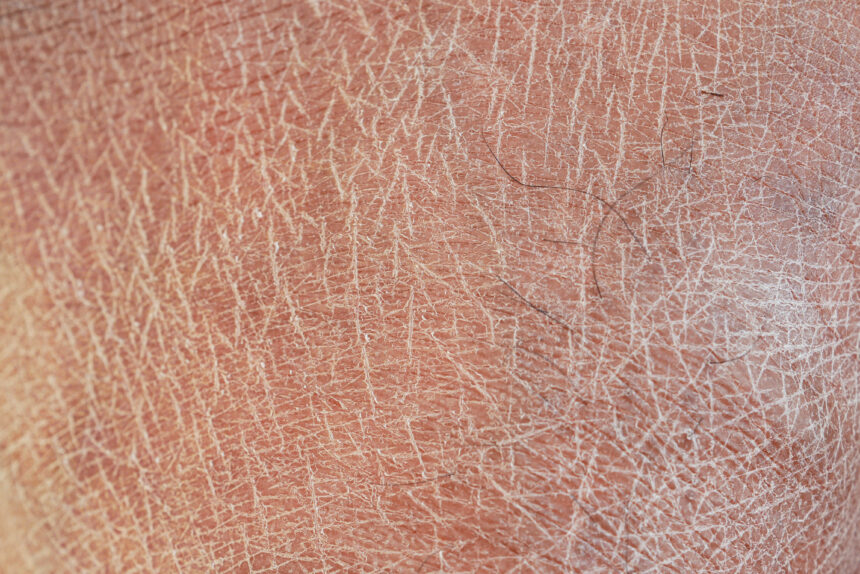
Dry skin can make your skin feel tight, rough, itchy or uncomfortable. The right bathing habits, moisturisers and everyday skin care can help restore moisture and protect the skin barrier.
Introduction
Dry skin is a common problem that can affect anyone, regardless of age or skin type. You may notice rough patches on your face, hands, legs or other parts of the body, particularly during periods of cold, dry or windy weather.
For some people, dry skin is temporary and improves with simple changes to their skincare routine.
For others, persistent dryness may be related to conditions such as eczema, psoriasis or an underlying health problem.
The good news is that there are several practical things you can do to help your skin retain moisture and remain healthy.
What Causes Dry Skin?
Your skin has a protective outer layer that helps prevent excessive water loss. When this barrier becomes damaged or loses too much moisture, the skin can become dry, rough and irritated.
Frequent bathing, hot water, harsh soaps, dry weather, air conditioning and excessive use of certain skincare products can contribute to dryness.
Age can also play a role because the skin tends to produce less natural oil as people get older.
Some medical conditions, including eczema, psoriasis, diabetes and thyroid disorders, can also be associated with dry skin.
How to Deal With Dry Skin
Small changes to your daily routine can make a significant difference when it comes to keeping dry skin moisturised and protected.
1. Avoid Very Hot Water
A hot shower may feel relaxing, but very hot water can remove natural oils from the skin and make dryness worse.
Use lukewarm water instead. Try to keep your bath or shower reasonably short rather than spending a long time in hot water.
2. Use a Gentle Cleanser
Some soaps and body washes can strip the skin of its natural oils. If your skin is dry, choose a gentle, fragrance-free cleanser rather than a product that leaves your skin feeling very tight or squeaky-clean after bathing.
You do not necessarily need to apply strong soap to every part of your body every time you bathe.
3. Moisturise Immediately After Bathing
After bathing, gently pat your skin dry with a towel instead of rubbing it vigorously. Then apply a moisturiser within a few minutes.
This helps trap some of the remaining water in the skin.
4. Choose the Right Moisturiser
Not all moisturisers work in exactly the same way. Creams and ointments are generally more effective at reducing moisture loss than very light lotions, particularly when the skin is extremely dry.
Look for products containing ingredients such as ceramides, glycerin, hyaluronic acid, petrolatum or shea butter. The best choice depends on your skin type and where the dryness occurs.
If a product causes burning, stinging or a rash, stop using it and consider discussing the reaction with a healthcare professional.
5. Do Not Over-Exfoliate
Exfoliating can remove dead skin cells, but doing it too frequently can damage the skin barrier. Scrubs containing rough particles and strong chemical exfoliants may irritate already-dry skin.
If your skin is dry, irritated or cracked, focus on moisturising and repairing the skin barrier rather than repeatedly scrubbing away the flaky areas.
6. Drink Enough Water
Adequate fluid intake is important for overall health. However, drinking excessive amounts of water does not automatically cure dry skin.
Skin dryness is often related to the skin barrier and environmental factors rather than simply not drinking enough water.
Drink according to your body’s needs and pay particular attention to hydration during hot weather, exercise or illness.
7. Protect Your Skin From the Sun
Sun exposure can damage the skin and contribute to premature ageing, dryness and irritation. Use a broad-spectrum sunscreen on exposed skin when appropriate.
Protective clothing, hats and shade can also reduce direct sun exposure. Even people with darker skin benefit from sun protection.
8. Be Careful With Fragranced Products
Fragrances can irritate some people, particularly those with sensitive or eczema-prone skin. If your skin is frequently dry or irritated, consider using fragrance-free moisturisers, cleansers and other skincare products.
This does not mean every fragranced product will cause a problem, but reducing potential irritants can be helpful for sensitive skin.
9. Pay Attention to Your Hands
The hands are particularly vulnerable to dryness because they are frequently exposed to water, soap, detergents and cleaning products.
Apply moisturiser after washing your hands, especially if they frequently become rough or cracked.
When handling household cleaning products, protective gloves can help reduce direct contact with irritating chemicals.
10. Do Not Scratch Dry, Itchy Skin
Dry skin can become itchy, but repeatedly scratching it can cause tiny breaks in the skin. These breaks can increase irritation and make it easier for bacteria to enter.
Instead of scratching, moisturise the affected area and keep your fingernails short. If itching is severe or persistent, speak with a healthcare professional.
MUST READ: What Causes Frequent Body Aches?
What Should You Eat for Healthy Skin?
A balanced diet containing vegetables, fruits, whole grains, legumes, nuts, seeds, eggs, fish and other protein-rich foods can provide nutrients important for skin health.
Healthy fats from foods such as fish, nuts, seeds and avocado can also form part of a balanced diet.
However, no single food or supplement can instantly eliminate dry skin. A nutritious diet works best alongside appropriate skincare.
Can Dry Skin Be a Sign of a Health Problem?
Sometimes.
Persistent or unusually severe dry skin can occur alongside conditions such as eczema, psoriasis, hypothyroidism and diabetes.
If dryness is accompanied by significant itching, a rash, swelling, cracks that do not heal, unusual fatigue or other unexplained symptoms, it is worth speaking with a healthcare professional.
When Should You See a Doctor?
See a healthcare professional if your skin remains severely dry despite regular moisturising, if you develop extensive redness or inflammation, or if the skin is repeatedly cracking and bleeding.
You should also seek medical advice if you develop signs of infection, such as increasing pain, warmth, swelling, pus or rapidly spreading redness.
If the dryness is widespread and accompanied by other unexplained changes in your health, an underlying condition may need to be considered.
Common Mistakes That Can Make Dry Skin Worse
Some everyday habits can unintentionally increase skin dryness. Taking very hot and lengthy showers, using harsh soaps, scrubbing the skin aggressively and applying alcohol-heavy products can remove protective oils.
Another common mistake is waiting until the skin becomes extremely dry before applying moisturiser. Regular moisturising is generally more effective than trying to correct severe dryness after it develops.
Final Thoughts
Dry skin is common, but you do not have to simply live with constant tightness, flaking or itching. Use lukewarm rather than very hot water, choose gentle cleansers, moisturise regularly and avoid excessive exfoliation. Protect your skin from environmental factors and pay attention to products that cause irritation.
If your dry skin is persistent, severe, painful, cracked or accompanied by a rash or other unusual symptoms, speak with a healthcare professional. Sometimes dry skin is more than a skincare problem and may be a sign of an underlying condition that needs attention.