

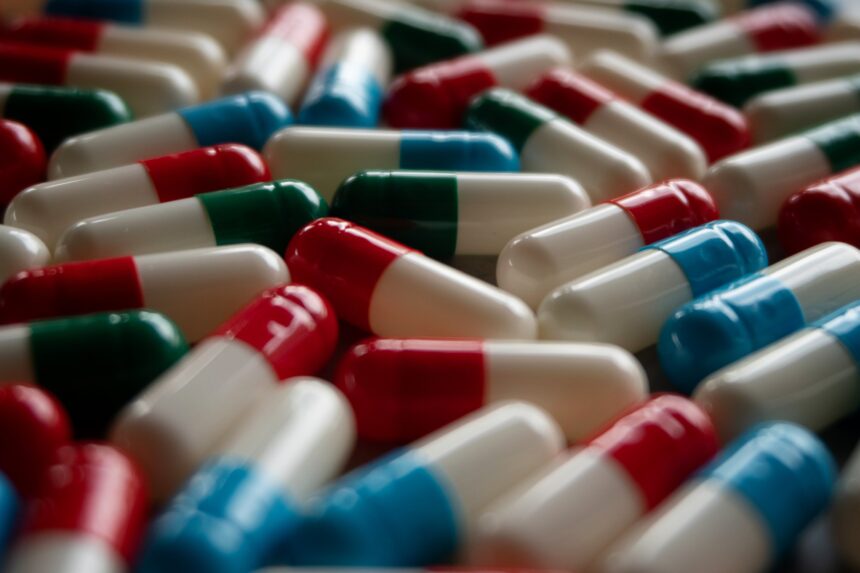
Taking antibiotics without proper medical advice may seem like a quick way to treat an infection, but it can expose you to unnecessary side effects, delay the right treatment and contribute to antibiotic resistance.
Introduction
Antibiotics have saved millions of lives by treating bacterial infections. They are used for conditions such as some urinary tract infections, bacterial pneumonia, certain skin infections and other illnesses caused by bacteria.
However, antibiotics are sometimes taken without a proper medical evaluation. A person may use leftover antibiotics from a previous illness, buy them directly from a pharmacy or take a medicine recommended by a friend or relative.
This practice is known as self-medication. Although it may appear convenient, using antibiotics this way can be dangerous.
One of the biggest problems is that not every infection requires antibiotics. Many common illnesses, including most colds and some sore throats, are caused by viruses. Antibiotics do not kill viruses.
What Are Antibiotics?
Antibiotics are medicines designed to treat infections caused by bacteria. Different antibiotics work against different types of bacteria, and the choice of medicine depends on the infection and the individual.
For example, an antibiotic that is appropriate for one bacterial infection may not work against another. This is why taking an antibiotic simply because it helped someone else is not a safe approach.
Why Is Self-Medicating With Antibiotics Dangerous?
Self-medicating with antibiotics may seem like a quick solution to an infection, but it can lead to the wrong treatment, harmful side effects and antibiotic resistance.
1. You May Be Treating the Wrong Illness
One of the biggest dangers of self-medication is taking antibiotics for an illness that is not caused by bacteria.
A cough, runny nose, fever, sore throat or body aches can have many causes. Some may be viral, while others may require completely different treatments.
Taking an antibiotic when you do not have a bacterial infection exposes you to the medicine without providing the expected benefit.
2. It Can Contribute to Antibiotic Resistance
Antibiotic resistance occurs when bacteria change in ways that allow them to survive medicines that previously killed them or stopped their growth.
The more antibiotics are used unnecessarily or incorrectly, the greater the opportunity for resistant bacteria to develop and spread.
This can make infections more difficult to treat. Medicines that once worked may become less effective, potentially leaving doctors with fewer treatment options.
Antibiotic resistance is therefore not only an individual health problem. It is also a major public-health concern.
3. The Wrong Antibiotic May Not Treat the Infection
Not all antibiotics work against all bacteria. If you choose an antibiotic based on a previous illness or someone else’s experience, the medicine may not be appropriate for your current infection.
This can allow the infection to continue or worsen while creating a false sense that you are already receiving treatment.
In some situations, laboratory testing may be needed to identify the bacteria and determine which antibiotics are likely to work.
4. The Dose May Be Wrong
Antibiotics are prescribed at specific doses and intervals based on factors such as the infection, age, weight, kidney function and the particular medicine being used.
Taking too little may fail to treat the infection effectively. Taking too much can increase the risk of side effects and toxicity.
Do not assume that the dose prescribed for another person is appropriate for you.
5. You May Experience Side Effects
Antibiotics can cause side effects even when they are correctly prescribed. Possible effects include:
- Nausea
- Vomiting
- Diarrhoea
- Stomach discomfort
- Skin rashes
- Dizziness
- Allergic reactions
Some reactions can be serious. Severe allergic reactions can cause difficulty breathing, swelling of the face or throat, dizziness or collapse and require immediate medical attention.
6. Antibiotics Can Interact With Other Medicines
Some antibiotics can interact with other medicines, supplements or substances you are taking. These interactions may affect how one or more medicines work or increase the likelihood of side effects.
This is another reason why a healthcare professional should know what medicines you are already taking before an antibiotic is prescribed.
7. You May Delay the Correct Treatment
Suppose your symptoms are caused by malaria, a viral infection, an inflammatory condition or another illness that does not require antibiotics.
Taking an antibiotic may not improve the condition. Instead, you may continue treating yourself while the actual cause of the symptoms remains untreated. This can be particularly concerning when symptoms are severe or persistent.
MUST READ: How Poor Water Quality Can Affect Your Health
What About Leftover Antibiotics?
Keeping leftover antibiotics for future illnesses may seem economical, but it is generally not a good idea.
The remaining medicine may not be suitable for your next illness. You may also have too few tablets to complete an appropriate treatment if an antibiotic is actually needed.
Do not save antibiotics simply because they were prescribed during a previous illness.
Instead, follow the instructions given by your healthcare professional regarding unused medicines and safe disposal.
What About Taking Antibiotics Prescribed to Someone Else?
You should not take antibiotics prescribed for another person. Even if the symptoms appear similar, the underlying illness may be different. The other person’s antibiotic may also be unsuitable because of differences in age, weight, allergies, other medicines or medical conditions.
The fact that a medicine worked for someone else does not mean it is appropriate for you.
What Should You Do Before Taking an Antibiotic?
If you develop symptoms that you think may be caused by an infection, the safest approach is to seek advice from a qualified healthcare professional. Depending on your symptoms, they may determine that you need:
- An antibiotic
- Another type of medicine
- A laboratory test
- Supportive care and observation
- Further medical assessment
Do not pressure a healthcare professional for antibiotics simply because you believe you need them. Sometimes the safest treatment is not an antibiotic.
If You Are Prescribed an Antibiotic
If a healthcare professional determines that an antibiotic is appropriate, take it exactly as directed.
Pay attention to the prescribed dose, timing and duration. Do not change the dose yourself or share the medicine with another person.
If you experience significant side effects or are unsure about how to take the medicine, contact a healthcare professional or pharmacist rather than making changes on your own.
When Should You Seek Urgent Medical Attention?
Some infections can become serious and require immediate treatment. Seek urgent medical care if you experience symptoms such as:
- Difficulty breathing
- Severe weakness or confusion
- Fainting or loss of consciousness
- Severe dehydration
- Persistent vomiting
- Severe or worsening pain
- Blood in vomit or stool
- A rapidly spreading infection or swelling
- Very high or persistent fever
- Signs of a severe allergic reaction after taking a medicine
Do not attempt to manage serious symptoms by repeatedly changing or adding antibiotics yourself.
How Can We Reduce Antibiotic Misuse?
Reducing antibiotic misuse requires action from individuals, families, healthcare professionals, pharmacies and the wider community.
Individuals can help by avoiding unnecessary antibiotic use, not sharing medicines, not using leftover antibiotics and seeking appropriate medical advice when symptoms develop.
Parents should also avoid giving children antibiotics without proper medical guidance. Children may require doses based on their age and weight, and some medicines may not be appropriate for them.
Healthcare professionals and medicine suppliers also have an important role in promoting responsible antibiotic use.
Final Thoughts
Antibiotics are powerful medicines, but they are not a universal treatment for fever, cough, catarrh, body aches or every other common illness.
Self-medicating with antibiotics can expose you to side effects, treat the wrong condition, delay appropriate care and contribute to antibiotic resistance.
The safest approach is simple: do not use antibiotics just because you have used them before or because they worked for someone else. Use them when they are medically appropriate and take them exactly as directed.