

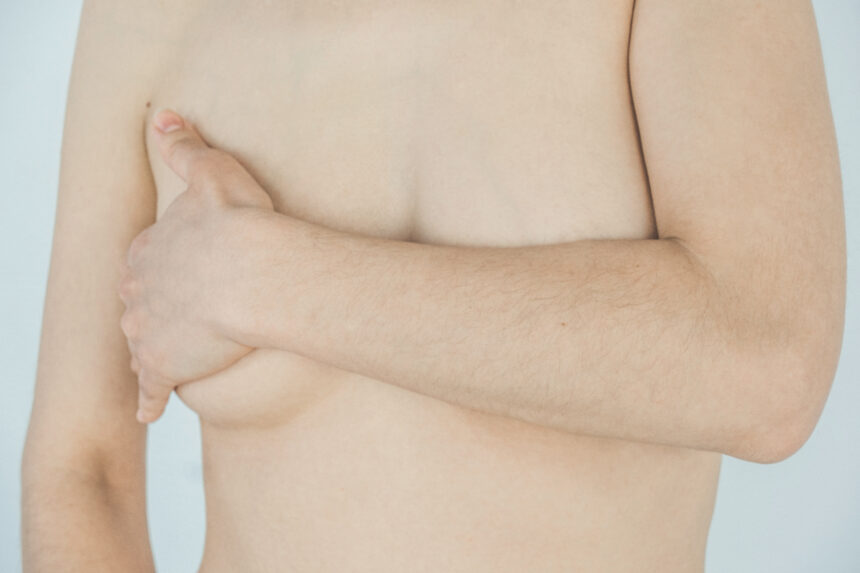
Enlarged breasts in men can happen for several reasons, including hormonal changes, excess body fat, certain medications and underlying health conditions.
Introduction
Breast enlargement is commonly associated with women, but men can also develop noticeable breast tissue. For some men, the change is temporary, while for others, it may persist and cause physical discomfort, embarrassment or concerns about their appearance.
This condition is often called gynaecomastia. It occurs when glandular breast tissue increases in size, usually because of an imbalance between two hormones: oestrogen and testosterone.
Although gynaecomastia is not usually dangerous, it is important to understand why it happens. In some cases, it is linked to natural hormonal changes, while in others, it may be associated with medication use, obesity, liver or kidney problems, or other medical conditions.
What Is Gynaecomastia?
Gynaecomastia is the enlargement of glandular breast tissue in males. It can affect one or both breasts and may occur unevenly, meaning one side can appear larger than the other.
It is different from having enlarged breasts because of excess body fat. When breast enlargement results mainly from fat accumulation, the condition is called pseudogynaecomastia.
Both conditions can make the chest appear fuller, but they have different causes and may require different approaches to treatment.
Why Do Some Men Develop Enlarged Breasts?
Several factors can contribute to breast enlargement in men. The following are some of the most common causes.
1. Hormonal Imbalance
Hormonal imbalance is one of the major causes of gynaecomastia. Men naturally produce small amounts of oestrogen, a hormone commonly associated with female reproductive development. They also produce testosterone, which supports male sexual development and other functions.
When the balance between these hormones changes, breast glandular tissue may begin to grow. This can happen when testosterone levels decrease, oestrogen levels increase, or the effects of either hormone change.
2. Puberty
Some teenage boys develop enlarged breasts during puberty because their hormone levels are changing rapidly.
This type of gynaecomastia is relatively common and often affects boys between the ages of 12 and 16. In many cases, the breast tissue reduces naturally as hormone levels stabilise.
However, if the enlargement persists for several years, becomes painful or continues to increase, medical evaluation is advisable.
3. Ageing and Reduced Testosterone Levels
As men grow older, testosterone levels may gradually decline. Changes in body composition and hormone activity can also affect the balance between testosterone and oestrogen.
This can contribute to breast tissue enlargement, particularly in older men. Age-related changes may also occur alongside weight gain, which can make the chest appear larger.
4. Excess Body Fat and Obesity
Being overweight can make a man’s chest appear enlarged because fat may accumulate around the breast area.
Additionally, fat tissue contains an enzyme called aromatase, which converts some testosterone into oestrogen. Increased body fat can therefore contribute to hormonal changes that may encourage breast tissue growth.
It is important to distinguish between fat accumulation and true gynaecomastia because losing weight may reduce chest fat but may not completely remove enlarged glandular tissue.
5. Certain Medications
Some medications can interfere with hormone activity or affect the body’s production and use of testosterone and oestrogen.
Medicines that have been associated with gynaecomastia include certain drugs used to treat prostate conditions, some heart and blood pressure medications, particular psychiatric medicines, and some treatments for stomach problems.
Anabolic steroids and certain substances used for bodybuilding can also contribute to breast enlargement.
Men should not stop prescribed medication without speaking to their healthcare provider. A doctor can review the medication and determine whether an alternative is appropriate.
6. Liver Disease
The liver plays an important role in processing and regulating hormones. When the liver is seriously damaged, its ability to break down certain hormones may be affected.
Conditions such as advanced liver disease and cirrhosis can contribute to hormonal changes that encourage breast tissue enlargement in men.
Other symptoms of liver disease may include yellowing of the eyes or skin, abdominal swelling, unusual tiredness and dark urine. These symptoms require medical assessment.
7. Kidney Disease
The kidneys help regulate several important processes in the body, including hormone balance.
Chronic kidney disease can affect reproductive hormone levels and may contribute to reduced testosterone production. These changes can sometimes lead to gynaecomastia.
Men with persistent breast enlargement alongside swelling of the legs, changes in urination or unexplained fatigue should seek medical evaluation.
8. Thyroid Problems
An overactive thyroid gland, medically known as hyperthyroidism, can affect the body’s hormonal balance.
Excess thyroid hormone may influence sex hormone activity and increase the amount of oestrogen relative to testosterone in some men.
Other possible symptoms of an overactive thyroid include unexplained weight loss, excessive sweating, a racing heartbeat, trembling hands and difficulty tolerating heat.
9. Alcohol and Substance Use
Heavy alcohol consumption may affect liver function and hormone regulation, potentially increasing the risk of gynaecomastia.
Some recreational drugs and substances, including cannabis, have also been associated with breast enlargement, although the strength of evidence varies.
Men who notice breast changes should discuss their alcohol consumption, supplements and other substance use honestly with a healthcare professional.
10. Less Common Underlying Medical Conditions
In some cases, gynaecomastia may be associated with conditions affecting the testicles, adrenal glands or pituitary gland.
Certain testicular tumours can produce hormones that contribute to breast tissue growth. Low testosterone caused by problems affecting the testicles or pituitary gland may also play a role.
These causes are less common, but they are important to investigate, particularly when breast enlargement develops suddenly or is accompanied by other unusual symptoms.
MUST READ: Why Do You Experience Frequent Muscle Twitches? 8 Possible Causes You Should Know
What Are the Signs of Gynaecomastia?
The symptoms may differ from one person to another, depending on the cause and extent of breast tissue enlargement.
Common signs include:
- Enlarged breast tissue: One or both breasts may become noticeably larger than usual.
- A firm or rubbery lump: A small, firm area of tissue may develop beneath the nipple or areola.
- Breast tenderness: Some men experience sensitivity or discomfort, particularly when the breast is touched.
- Uneven breast size: One breast may become larger than the other.
- Nipple sensitivity: The nipple area may become more sensitive than usual.
- Changes in appearance: The chest may appear fuller or more rounded, which can affect confidence and body image.
Not every man with enlarged breasts will experience pain or tenderness.
Is Gynaecomastia Dangerous?
In most cases, gynaecomastia is a benign condition and does not indicate breast cancer. However, breast enlargement should not automatically be dismissed, especially when it develops unexpectedly.
Male breast cancer is uncommon, but certain changes require prompt medical assessment.
Seek medical attention if you notice:
- A hard lump that feels fixed or is located away from the nipple.
- Enlargement affecting only one breast, particularly if it is unusual or rapidly progressing.
- Nipple discharge, especially bloody discharge.
- Nipple inversion or changes in the skin around the breast.
- Skin dimpling, ulceration or persistent redness.
- A lump or swelling in the armpit.
These signs do not necessarily mean cancer is present, but they should be examined by a healthcare professional.
How Is Gynaecomastia Diagnosed?
A healthcare professional will usually begin by asking about when the enlargement started, whether it is painful, the medications being used and any other symptoms.
A physical examination may help distinguish glandular breast tissue from excess fat and identify any unusual lumps.
Depending on the findings, further investigations may include:
- Blood tests: These may assess testosterone, oestrogen, thyroid function, liver function, kidney function and other relevant hormones.
- Breast ultrasound: This can help examine the breast tissue and investigate unusual lumps.
- Mammography: This may be recommended when the examination raises concerns about the nature of the breast tissue.
- Testicular examination or ultrasound: These may be necessary when a testicular problem is suspected.
Not every patient needs all these tests. The appropriate investigations depend on the person’s age, symptoms and medical history.
How Can Enlarged Breasts in Men Be Treated?
Treatment depends on the underlying cause, the amount of breast tissue involved and how long the condition has been present.
1. Treating the Underlying Cause
If a medical condition is responsible, treating that condition may help reduce breast enlargement.
For example, managing an underlying thyroid disorder or reviewing a medication that contributes to gynaecomastia may improve the symptoms.
2. Weight Management
When excess body fat contributes to an enlarged chest, gradual weight loss through healthy eating and regular physical activity may help reduce its appearance.
However, exercise and dieting do not always remove glandular breast tissue.
3. Medication
In selected cases, a doctor may prescribe medication to address hormonal effects or reduce breast tissue enlargement.
Some medicines that affect oestrogen activity may be considered, particularly when gynaecomastia is recent and painful. They are not suitable for everyone and should only be used under medical supervision.
4. Surgery
For men with persistent gynaecomastia that causes significant discomfort or distress, surgery may be considered.
Depending on the situation, the procedure may involve removing excess glandular tissue, removing excess fat or combining both approaches.
Surgery is generally considered when the enlargement does not improve with appropriate treatment or has persisted for a long time.
Can Men Prevent Gynaecomastia?
Not all cases of gynaecomastia can be prevented, especially those associated with puberty, ageing or unavoidable medical conditions.
However, certain habits may reduce some contributing risks.
- Maintain a healthy body weight through balanced eating and regular physical activity.
- Avoid anabolic steroids and unregulated bodybuilding products.
- Limit alcohol consumption and avoid recreational drugs.
- Use prescription medicines only as directed by a healthcare professional.
- Seek medical advice when you notice unexplained breast enlargement.
- Manage existing medical conditions, including liver, kidney and thyroid disorders.
Men should also be cautious about products advertised as instant solutions for male breast enlargement. Some supplements and hormonal products may worsen the problem or cause other health complications.
Final Thoughts
Enlarged breasts in men are more common than many people realise. The condition may result from hormonal changes, puberty, ageing, excess body fat, medication use or certain underlying medical conditions.
Although gynaecomastia is usually not dangerous, it is important to identify the actual cause before choosing a treatment. Weight loss may help when excess fat is responsible, but glandular breast enlargement may require medical management.
Men who notice new, persistent, painful or unusual breast changes should speak with a healthcare professional rather than relying on unverified remedies or feeling embarrassed about seeking help.