

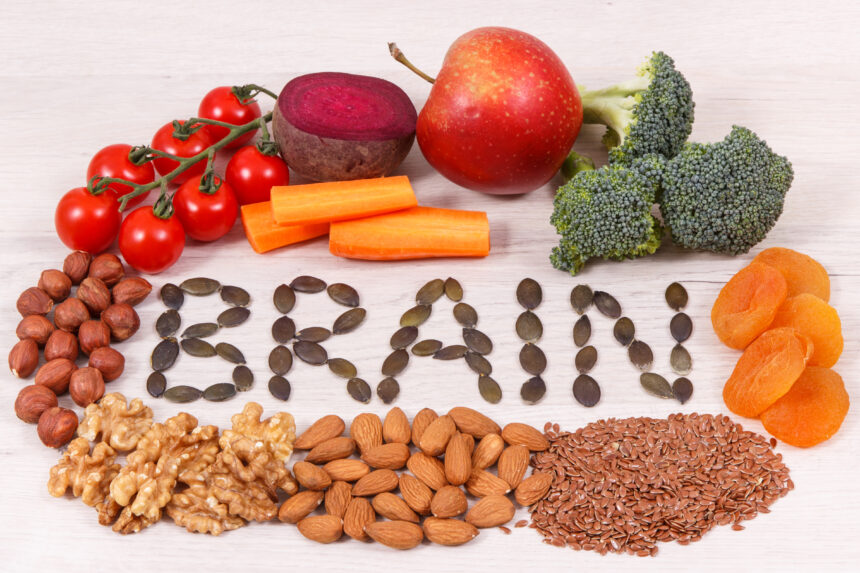
A child’s brain develops rapidly during the early years, making good nutrition an important part of healthy growth. From eggs and fish to fruits, vegetables and whole grains, certain foods provide nutrients that support memory, learning, concentration and overall brain development.
Introduction
Childhood is an important period for brain development. From infancy through adolescence, the brain continues to grow, form connections and develop the abilities children need for learning, communication, memory, problem-solving and emotional regulation.
Although genetics and a child’s environment play important roles, nutrition also contributes significantly to this process. The brain requires a steady supply of energy and essential nutrients to develop properly and function effectively.
Unfortunately, children’s diets do not always provide everything their developing brains need. Regular consumption of highly processed foods, sugary drinks and meals lacking essential nutrients may make it more difficult to maintain a balanced diet.
The good news is that many affordable and familiar foods can help support children’s brain health. Here are ten foods parents can include in their children’s diets.
10 Foods That Support Healthy Brain Development in Children
A child’s brain needs a variety of essential nutrients to grow, develop and function properly. From supporting memory and learning to promoting healthy nerve function and concentration, these 10 nutritious foods can help provide the building blocks children need for healthy brain development.
1. Eggs
Eggs are among the most nutritious foods parents can offer growing children. They contain choline, a nutrient needed to produce acetylcholine, a chemical messenger involved in memory, learning and other brain functions.
Eggs also provide vitamin B12, protein, selenium and other nutrients that contribute to normal growth and development.
Parents can serve eggs boiled, scrambled or as part of a balanced meal. Ensure eggs are properly cooked, especially when preparing meals for young children.
2. Fatty Fish
Fish such as salmon, sardines, mackerel and herring provide omega-3 fatty acids, particularly DHA, which is an important structural component of the brain.
DHA plays a role in brain development, particularly during pregnancy and early childhood. Fish also provides protein, vitamin B12, iodine and other nutrients needed for healthy growth.
In Nigeria, fish such as sardines and mackerel can be included in children’s meals. Choose fish carefully, remove bones thoroughly and follow age-appropriate food safety advice.
Parents should also choose fish varieties with lower mercury levels and avoid feeding children large predatory fish that may contain high levels of mercury.
3. Milk and Other Dairy Products
Milk, yoghurt and cheese provide protein, calcium, vitamin B12 and other nutrients that support children’s growth and development.
Vitamin B12 is particularly important for normal nerve function and the production of healthy blood cells. Calcium supports bone development and also plays important roles in communication between nerve cells.
Plain yoghurt can be a nutritious snack, while milk can be included in breakfast or other meals. For children with lactose intolerance or milk allergies, suitable alternatives should be selected carefully.
Fortified alternatives may help provide some nutrients found in dairy products, but their nutritional content varies.
4. Leafy Green Vegetables
Vegetables such as spinach, ugu, waterleaf and other dark green leafy vegetables provide folate, vitamin K, iron and other nutrients that contribute to overall health.
Folate supports the production of DNA and healthy cell development, while iron is needed to transport oxygen around the body. Iron is particularly important during childhood because deficiency can affect attention, learning and development.
Parents can add finely chopped vegetables to soups, stews, sauces and other meals. Combining plant sources of iron with vitamin C-rich foods can improve iron absorption.
5. Beans and Other Legumes
Beans, lentils, peas and other legumes are affordable sources of plant protein, iron, folate, fibre and several other nutrients.
Protein supplies amino acids needed for growth and the production of substances involved in brain communication. Iron supports oxygen transport, while folate contributes to normal cell development.
Nigerian meals such as beans porridge, moi moi and bean-based soups can provide children with useful nutrients.
Ensure beans are thoroughly cooked and prepared in a texture suitable for the child’s age to reduce choking risks.
6. Avocados
Avocados contain healthy monounsaturated fats that contribute to a balanced diet and support the absorption of fat-soluble vitamins.
They also provide folate, vitamin E, fibre and other nutrients. Healthy fats are important during childhood because the brain contains a substantial amount of fat and needs appropriate dietary fat for normal development.
Mashed avocado can be served to young children who are ready for complementary foods, while older children can enjoy it in sandwiches, salads or as part of a balanced meal.
7. Nuts and Seeds
Nuts and seeds, including groundnuts, almonds, walnuts, pumpkin seeds and sesame seeds, provide healthy fats, protein, vitamin E, magnesium and other nutrients.
Vitamin E acts as an antioxidant that helps protect cells from oxidative damage. Magnesium is involved in nerve function, while healthy fats contribute to overall brain health.
Parents can offer smooth, unsweetened nut butters or finely ground nuts and seeds in age-appropriate meals.
Whole nuts should never be given to children under five years because they pose a choking risk. Nut allergies are also possible, so parents should follow appropriate guidance when introducing these foods, particularly to infants with allergy risks.
8. Fruits Such as Oranges, Pawpaw and Berries
Fruits provide vitamins, minerals, fibre and antioxidants that support general health. Oranges, pawpaw, strawberries, blueberries and other fruits contain vitamin C and various plant compounds that help protect cells from oxidative stress.
Vitamin C also improves the absorption of iron from plant-based foods, making it useful to combine fruits such as oranges with meals containing beans and leafy vegetables.
Parents can serve fresh, properly washed and cut fruits as snacks or include them in breakfast. For younger children, fruits should be prepared in soft, age-appropriate textures.
9. Whole Grains
Whole grains such as oats, brown rice, whole-wheat bread and millet provide carbohydrates that supply energy for the body and brain.
They also contain fibre, B vitamins, magnesium and other nutrients involved in energy metabolism and normal nervous system function.
Since the brain uses glucose as an important energy source, children need regular, balanced meals that provide sufficient energy.
Oatmeal, whole-grain pap and other suitable grain-based meals can be included in breakfast. Choose less refined options where possible and avoid adding excessive sugar.
10. Sweet Potatoes
Sweet potatoes provide carbohydrates for energy, fibre and beta-carotene, which the body converts into vitamin A.
Vitamin A supports normal growth, vision and immune function. These are important parts of a child’s overall development.
Sweet potatoes can be boiled, steamed, mashed or added to vegetable-based meals. They can also be combined with eggs, fish or beans to make a more balanced meal.
MUST READ: 8 Reasons Your Hands and Feet Feel Cold Even When the Weather Is Warm
Important Nutrients That Support Children’s Brain Development
Different foods provide different nutrients, and no single food contains everything a developing brain needs. Some nutrients deserve particular attention during childhood.
Omega-3 Fatty Acids
Omega-3 fatty acids, especially DHA, are important components of brain cell membranes. They support normal brain development and function.Sources include fatty fish and some fortified foods.
Iron
Iron helps red blood cells transport oxygen throughout the body. Adequate iron is particularly important for brain development, attention and learning. Sources include meat, fish, beans, lentils and dark green leafy vegetables.
Choline
Choline is needed for the production of acetylcholine, a chemical messenger involved in memory and other brain functions. Eggs, fish, meat and some legumes provide choline.
Iodine
Iodine is essential for producing thyroid hormones, which play an important role in brain development and growth.
Sources include iodised salt, fish, seafood, eggs and dairy products. Parents should use iodised salt in moderation rather than increasing salt intake to obtain iodine.
Vitamin B12
Vitamin B12 supports normal nerve function and the formation of healthy red blood cells. Deficiency can affect the nervous system and development.
Sources include fish, meat, eggs, milk and other animal-based foods, as well as appropriately fortified foods.
Children following strictly plant-based diets may need carefully planned sources of vitamin B12 and professional nutritional guidance.
Zinc
Zinc contributes to normal growth, immune function and many processes involved in brain development. Sources include meat, fish, eggs, dairy products, beans and nuts.
Healthy Eating Habits That Also Support Brain Development
Providing nutritious foods is important, but children’s overall eating habits also matter.
- Offer a variety of foods: Include fruits, vegetables, protein sources, whole grains and healthy fats in regular meals.
- Do not skip breakfast: A balanced breakfast can help children start the day with the energy and nutrients they need for school and other activities.
- Limit sugary drinks: Frequent consumption of soft drinks and heavily sweetened beverages can displace more nutritious options.
- Encourage adequate water intake: Water supports normal body functions and helps prevent dehydration, which can affect concentration and general well-being.
- Establish regular meal times: Consistent meals and appropriate snacks can help children meet their daily nutritional needs.
- Make healthy foods accessible: Keep suitable fruits, vegetables and nutritious snacks available at home.
- Be patient with selective eaters: Some children need repeated, pressure-free exposure to unfamiliar foods before accepting them.
Other Factors That Influence Brain Development
Nutrition is important, but it is only one part of healthy brain development. Other factors also contribute to how children learn, think and interact with the world.
- Adequate sleep: Sleep supports memory formation, learning and emotional regulation.
- Physical activity: Active play supports physical health and provides opportunities for children to explore and learn.
- Communication and interaction: Talking, reading, singing and playing with children help develop language, thinking and social skills.
- Emotional security: A safe, supportive environment helps children develop confidence and healthy emotional connections.
- Regular health checks: Routine healthcare visits can help identify nutritional deficiencies, developmental concerns and other health problems early.
Final Thoughts
Healthy brain development in children depends on several factors, and good nutrition is one of the foundations. Foods such as eggs, fish, beans, leafy vegetables, fruits, dairy products, nuts, whole grains and sweet potatoes provide nutrients that support normal brain growth and function.
Parents do not need expensive or specialised foods to support their children’s development. Many nutritious options are already available in Nigerian homes and local markets.
The most important thing is to provide a varied, balanced diet that meets the child’s age-specific nutritional needs. Combined with adequate sleep, physical activity, learning opportunities and a supportive home environment, good nutrition can help children build a strong foundation for healthy development.