

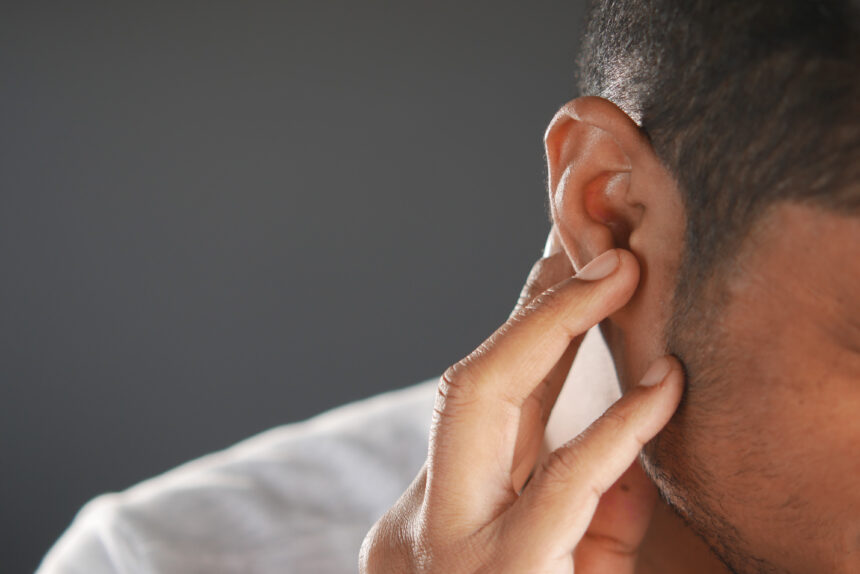
Ear pain can range from mild discomfort to severe pain that affects sleep, hearing and daily activities. Understanding what causes ear pain, recognising its symptoms and knowing when to seek medical attention can help prevent complications.
Introduction
Ear pain, commonly called earache, is a condition that affects both children and adults. It may occur in one ear or both ears and can feel sharp, dull, burning or throbbing.
Although ear infections are among the common causes, pain can also result from earwax buildup, sinus infections, dental problems and changes in air pressure.
The important thing is to identify the underlying cause because not every earache requires the same treatment.
What Causes Ear Pain?
Several conditions can cause discomfort in or around the ears. Some originate directly from the ear, while others involve nearby parts of the body.
1. Ear Infections
Ear infections are among the most common causes of ear pain. They may affect the outer ear canal or the middle ear, causing inflammation, swelling and discomfort.
Middle ear infections often develop after a cold or respiratory infection, while outer ear infections may occur when moisture becomes trapped inside the ear.
2. Excessive Earwax Buildup
Earwax helps protect the ear by trapping dust and dirt. However, when too much accumulates, it can block the ear canal and cause pain, a feeling of fullness, ringing or reduced hearing.
Using cotton buds to clean deep inside the ear can push wax further inward and worsen the blockage.
3. Sinus Infections
Sinus infections cause inflammation around the nose and facial cavities. This inflammation can affect the Eustachian tubes, which help regulate pressure in the middle ear.
As a result, some people experience ear pressure, discomfort or a blocked sensation alongside nasal congestion and headaches.
4. Dental Problems
Tooth decay, gum infections and impacted wisdom teeth can cause pain that spreads towards the ear.
This happens because some nerves in the teeth, jaw and surrounding areas share pain pathways. Therefore, what feels like an earache may sometimes be a dental problem.
5. Throat Infections
Infections affecting the throat or tonsils can cause pain that travels towards the ears.
This may happen because nerves supplying the throat also carry sensation from areas around the ear. A person may experience ear pain alongside a sore throat, difficulty swallowing or fever.
6. Changes in Air Pressure
Sudden changes in air pressure during air travel, diving or travelling through areas of different altitude can cause ear discomfort.
When pressure inside the middle ear does not balance properly with the surrounding air pressure, the eardrum may become strained, resulting in pain or temporary hearing difficulties.
MUST READ: Toothache: Causes, Symptoms, Treatment and When to See a Dentist
Common Symptoms of Ear Pain
Ear pain may occur alone or alongside other symptoms, depending on the underlying condition.
Some common symptoms include:
- Sharp, aching or throbbing pain.
- A feeling of fullness or blockage inside the ear.
- Reduced or muffled hearing.
- Itching or irritation.
- Fluid or discharge from the ear.
- Fever or headache.
- Dizziness or balance problems.
- Swelling around the ear.
When these symptoms occur together, particularly fever, discharge and severe pain, medical assessment is important.
How Can You Relieve Ear Pain?
Some simple measures can provide temporary relief, but they do not replace treatment for an underlying infection or other medical condition.
1. Apply a Warm Compress
Place a clean cloth soaked in comfortably warm water against the affected ear for about 10 to 15 minutes. This may help soothe discomfort.
2. Use Appropriate Pain Relief
Paracetamol or ibuprofen may help relieve ear pain when used according to the recommended instructions. However, some medicines may not be suitable for people with certain health conditions or during pregnancy.
3. Keep the Ear Dry
Avoid allowing water into an ear that is painful or discharging fluid. This is particularly important when an outer ear infection is suspected.
4. Avoid Inserting Objects Into the Ear
Do not use cotton buds, matchsticks, hairpins or other objects to scratch or clean deep inside your ears. These can cause injuries and worsen the problem.
Important: Avoid putting oil, alcohol, garlic mixtures or unprescribed ear drops into a painful ear. Some substances can cause irritation or damage, especially if the eardrum is perforated.
When Should You See a Doctor?
Not every earache is serious, but persistent or worsening pain should be examined by a healthcare professional.
Seek medical attention if:
- Ear pain lasts longer than two to three days.
- You notice fluid, pus or blood coming from the ear.
- You develop fever alongside ear pain.
- Your hearing becomes reduced or muffled.
- The area around or behind the ear becomes swollen.
- You experience repeated episodes of ear pain.
Sudden hearing loss, facial weakness, severe dizziness or rapidly spreading swelling requires urgent medical attention. Difficulty breathing or swallowing is an emergency.
How Can You Prevent Ear Pain?
Good ear care and healthy habits can reduce the risk of some common causes of ear discomfort.
1. Practise Proper Ear Hygiene
Clean only the outer part of your ears with a soft, clean cloth. Avoid inserting objects into the ear canal because the ears have a natural process for removing excess wax.
2. Keep Your Ears Dry
Gently dry your outer ears after bathing or swimming. Avoid inserting towels or cotton buds into the ear canal.
3. Treat Colds and Allergies Appropriately
Colds and allergies can cause congestion that affects pressure regulation in the ears. Managing these conditions may help reduce related discomfort.
4. Protect Your Hearing
Avoid prolonged exposure to loud music and machinery. Use suitable hearing protection in noisy environments.
5. Avoid Smoking
Smoking and exposure to secondhand smoke can increase the risk of respiratory problems and certain ear infections, particularly in children.
Final Thoughts
Ear pain can develop from infections, excessive earwax, sinus problems, dental conditions and changes in air pressure. While some cases may improve with simple care, persistent or severe discomfort should not be ignored.
Avoid inserting objects or unprescribed substances into your ears, and seek medical attention when pain is accompanied by fever, discharge, swelling or hearing difficulties.
Taking proper care of your ears and addressing problems early can help protect your hearing and overall health.