

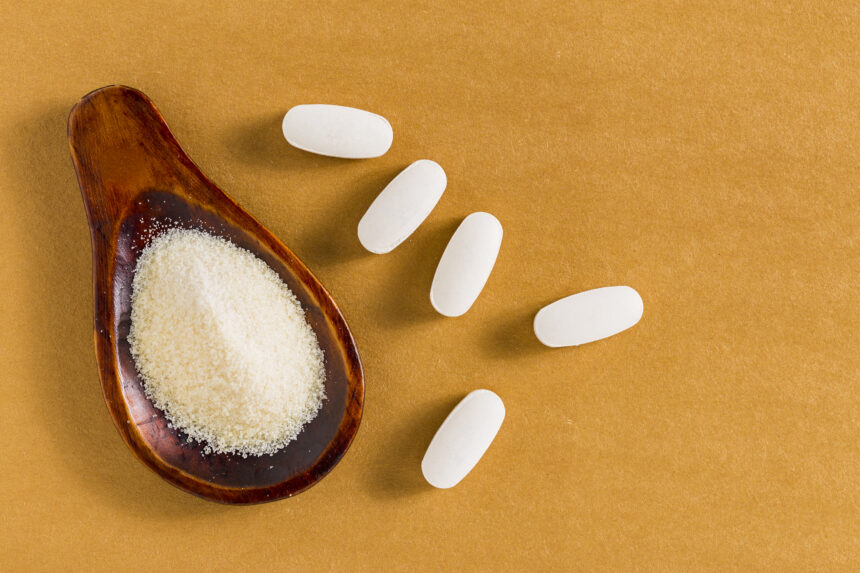
Often linked to healthy hair and glowing skin, biotin does much more behind the scenes. This essential vitamin plays a key role in energy production, metabolism, and overall well-being.
Introduction
Biotin has gained popularity as a “beauty vitamin,” often associated with stronger hair, clearer skin, and healthier nails. While these benefits are real, they only tell part of the story.
Biotin, also known as vitamin B7, is an essential nutrient that your body needs to function properly.
It plays a critical role in converting the food you eat into energy, supporting your metabolism, and maintaining overall health.
Because the body does not store large amounts of biotin, it is important to get it regularly through your diet.
Understanding what biotin does and how it supports your body can help you make better nutritional choices.
What Is Biotin
Biotin is a water-soluble vitamin that belongs to the B-complex group. These vitamins are responsible for helping your body convert carbohydrates, fats, and proteins into usable energy.
Biotin works as a coenzyme, meaning it helps certain enzymes perform important functions in the body. Without enough biotin, your body may struggle to carry out essential metabolic processes.
Because it dissolves in water, any excess biotin is usually excreted, which is why consistent intake is important.
Why Your Body Needs Biotin
Biotin plays a vital role in several processes that keep your body running smoothly.
One of its main functions is supporting metabolism. It helps break down nutrients so your body can use them for energy, which is essential for daily activities and overall vitality.
Biotin also supports the health of your nervous system. It contributes to proper brain function and helps maintain communication between nerve cells.
Another important role is maintaining healthy skin, hair, and nails. Biotin supports the production of keratin, a protein that forms the structure of these tissues.
In addition, biotin plays a part in maintaining stable blood sugar levels by supporting how your body processes glucose.
MUST READ:Adjustment Disorder: Understanding Stress, Symptoms, and Recovery
Common Uses and Benefits of Biotin
Biotin is widely used for both health and cosmetic purposes.
- It is often taken to support hair growth and reduce hair thinning
- It helps strengthen brittle nails and improve nail texture
- It supports skin health, contributing to a smoother appearance
- It aids in energy production, helping reduce fatigue
- It plays a role in supporting metabolic health
While many people take biotin supplements for visible benefits, its internal functions are just as important.
Signs of Biotin Deficiency
Biotin deficiency is not very common, but it can occur, especially in individuals with poor nutrition or certain medical conditions.
Some signs that may indicate low biotin levels include:
- Thinning hair or hair loss
- Dry or irritated skin
- Brittle nails
- Fatigue or low energy
- Mood changes or difficulty concentrating
Recognizing these signs early can help you take steps to restore balance.
Food Sources of Biotin
The best way to maintain healthy biotin levels is through a balanced diet. Many everyday foods contain this important vitamin.
Rich sources of biotin include:
- Eggs, especially the yolk
- Nuts and seeds
- Whole grains
- Bananas
- Sweet potatoes
- Spinach and other leafy greens
- Fish and certain meats
Including a variety of these foods in your meals helps ensure you get enough biotin naturally.
Should You Take Biotin Supplements
For most people, a balanced diet provides enough biotin. However, supplements may be beneficial in certain situations, such as when there is a deficiency or specific health concern.
It is important to avoid taking excessive amounts without guidance, as very high doses may interfere with certain laboratory tests.
If you are considering supplements, it is best to consult a healthcare professional to determine what is appropriate for your needs.
Things to Keep in Mind
Biotin works best as part of a balanced diet and healthy lifestyle. Relying solely on supplements without addressing overall nutrition may limit its effectiveness.
It is also important to note that while biotin can support hair and skin health, results vary from person to person and often take time to become noticeable.
Consistency, patience, and a well-rounded approach are essential.
Final Thoughts
Biotin may be widely known for its beauty benefits, but its role in the body goes far beyond appearance. It supports energy production, metabolism, and overall health in ways that are essential to daily life.
By including biotin-rich foods in your diet and maintaining healthy habits, you can support your body from the inside out.