

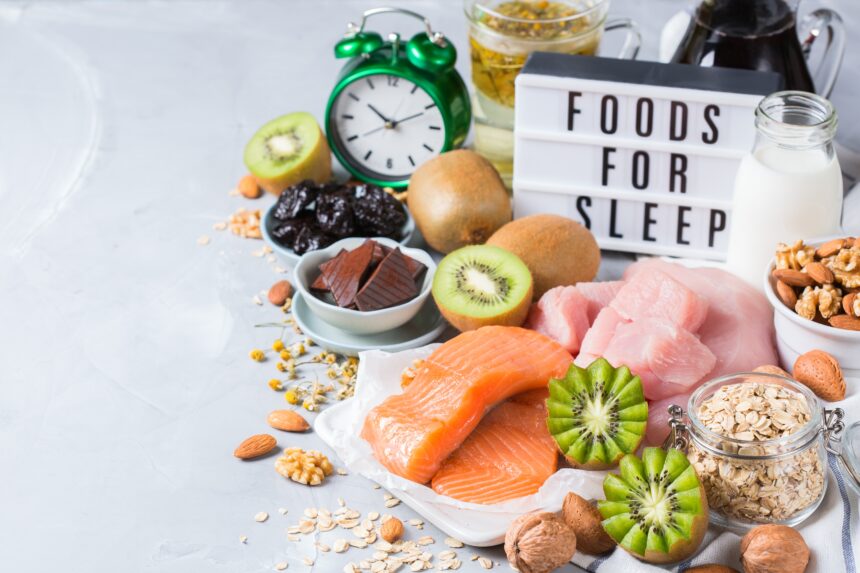
What you eat and drink during the day can influence how easily you fall asleep, how well you stay asleep and how refreshed you feel the next morning. Certain foods may support healthy sleep, while caffeine, alcohol, heavy meals and poor eating habits can make sleep more difficult.
Introduction
Sleep is not only about what time you go to bed. Your daily habits, stress levels, physical activity and diet can all influence your sleep.
Food provides the nutrients your body needs to function, including nutrients involved in the production and regulation of chemicals that help control sleep and wakefulness. At the same time, certain foods and drinks can stimulate the nervous system, cause digestive discomfort or interfere with your normal sleep routine.
This does not mean that eating one particular food will automatically make you sleep well. Sleep is influenced by many factors. However, your overall eating pattern can play a role.
How Can Your Diet Affect Your Sleep?
What you eat and drink can influence how easily you fall asleep and how well you sleep through the night. From caffeine and heavy meals to balanced, nutrient-rich foods, your daily diet may play an important role in supporting healthy sleep.
1. Caffeine Can Make It Harder to Sleep
Caffeine is a stimulant that can increase alertness and reduce feelings of tiredness. It is found in coffee, tea, energy drinks, cola and some other products.
Because caffeine can remain in the body for several hours, consuming it later in the day may make it harder for some people to fall asleep.
If you regularly struggle with sleep, consider how much caffeine you consume and what time you take it.
You may be surprised to discover that an afternoon or evening cup of coffee or strong tea is contributing to your difficulty sleeping.
2. Large Meals Close to Bedtime Can Cause Problems
Eating a very large meal shortly before going to bed may leave you feeling overly full or uncomfortable.
Digestion continues while you sleep, but lying down soon after a heavy meal may worsen symptoms such as heartburn or acid reflux in susceptible people.
If late-night meals regularly interfere with your sleep, try eating your main evening meal earlier and giving your body some time to digest before going to bed.
3. Spicy or Trigger Foods May Disturb Sleep
Spicy foods do not necessarily interfere with everyone’s sleep. However, they can trigger heartburn, indigestion or stomach discomfort in some people.
Other foods may also trigger digestive symptoms depending on the individual.
If you notice that certain foods consistently cause discomfort at night, consider reducing them in the evening and observing whether your sleep improves.
4. Alcohol Can Affect Sleep Quality
Alcohol may make some people feel sleepy initially, but that does not necessarily mean it improves sleep.
Alcohol can interfere with normal sleep patterns and may cause more disrupted sleep later in the night. It can also worsen snoring and sleep-disordered breathing in some people.
Using alcohol as a way to fall asleep is therefore not a healthy long-term strategy.
5. Too Much Sugar May Affect Your Sleep Routine
Foods and drinks high in added sugars can contribute to an overall eating pattern that is less nutritious.
A diet dominated by sugary foods may also displace foods that provide protein, fibre, vitamins and minerals needed for good health.
Some people may also experience fluctuations in energy and hunger after consuming large amounts of sugary foods, which can affect their eating and sleep routines.
Rather than focusing on one food, aim for an overall balanced diet containing vegetables, fruits, whole grains, protein-rich foods and healthy sources of fat.
6. Eating Too Little Can Also Affect Sleep
Sleep problems are not always caused by eating too much. Going to bed very hungry can make it difficult for some people to relax and fall asleep.
If you regularly skip meals or severely restrict your food intake, hunger may become a distraction at night.
A balanced evening meal can help you avoid going to bed either extremely full or extremely hungry.
7. Protein Can Help Make Meals More Satisfying
Protein is important for maintaining muscles and supporting many body functions.
Including protein in your meals can also help you feel satisfied after eating. Foods such as eggs, fish, beans, chicken, yoghurt, milk, nuts and seeds can contribute protein to your diet.
The goal is not to eat large amounts of protein immediately before bed. Instead, make sure your overall daily diet contains adequate protein.
8. Fibre-Rich Foods Support Overall Health
Fibre is found in vegetables, fruits, beans, lentils, whole grains, nuts and seeds.
A fibre-rich diet supports digestive health and is associated with several aspects of better overall health. A healthy digestive system can contribute to greater comfort at night.
However, suddenly eating a very large amount of fibre shortly before bedtime may cause gas or bloating in some people. Increase fibre gradually and pay attention to how your body responds.
MUST READ: What Happens to Your Nutrition When You Eat Mostly Rice?
Foods That Can Support a Healthy Diet and Better Sleep
There is no single “sleep food” that guarantees a good night’s rest. Instead, focus on an overall nutritious eating pattern.
Vegetables, fruits, beans, whole grains, eggs, fish, lean meats, yoghurt, nuts and seeds can provide a variety of nutrients that support general health.
Foods containing complex carbohydrates can also form part of a balanced evening meal. Examples include oats, brown rice, whole-grain foods, sweet potatoes and other minimally processed carbohydrate sources.
The important point is variety. Your body needs many different nutrients, not one magic food.
What Should You Avoid Before Bed?
If you are struggling with sleep, consider limiting caffeine later in the day and avoiding very large meals close to bedtime.
You may also want to identify foods that personally trigger heartburn, bloating or indigestion at night.
Avoid relying on alcohol as a sleep aid. Although it may make you feel sleepy initially, it can interfere with sleep quality.
Can Your Eating Schedule Affect Sleep?
Yes.
Irregular eating patterns may affect your daily routine and can sometimes contribute to late-night eating or going to bed either overly hungry or overly full.
Try to maintain relatively consistent meal times where practical. If you need a snack before bed, choose something light and consider whether you actually feel hungry rather than eating simply out of habit.
What About Late-Night Snacking?
Late-night snacking is not automatically unhealthy. What matters is what you eat, how much you eat and why you are eating.
If you are genuinely hungry, a small nutritious snack may be reasonable. Options can include yoghurt, a small portion of fruit, nuts or another light food that you tolerate well.
If you frequently eat late at night because of boredom, stress or emotional eating, addressing the underlying reason may be more helpful than simply changing the snack.
Other Habits That Matter for Good Sleep
Diet is only one part of healthy sleep. Try to maintain a consistent sleep and wake schedule. Keep your bedroom comfortable and reduce activities that make it difficult to wind down before bed.
Regular physical activity can also support sleep, although exercising very close to bedtime may make some people feel more alert.
Managing stress is equally important. Persistent worry and anxiety can make it difficult to fall asleep even when your diet is healthy.
When Should You See a Doctor About Poor Sleep?
Occasional difficulty sleeping is common. However, persistent sleep problems deserve attention.
Speak with a healthcare professional if you regularly have difficulty falling asleep, frequently wake during the night, wake up feeling unrefreshed or experience excessive daytime sleepiness.
Loud regular snoring, choking or gasping during sleep, witnessed pauses in breathing or severe daytime tiredness may indicate sleep apnoea and should be medically assessed.
Do not assume that persistent insomnia or excessive daytime sleepiness is simply a result of your diet.
Final Thoughts
Your diet can influence your sleep, but it is only one piece of the puzzle. Caffeine, alcohol, large late-night meals and foods that trigger digestive discomfort can interfere with sleep for some people. On the other hand, a balanced diet containing vegetables, fruits, whole grains, protein-rich foods, healthy fats and adequate fibre can support overall health and healthy sleep habits.
Instead of searching for one food that will make you sleep better, look at your overall eating pattern and daily routine.
Good sleep is built from several healthy habits working together. What you eat, when you eat, how active you are, how you manage stress and the consistency of your sleep routine can all contribute to better nights and healthier days.