

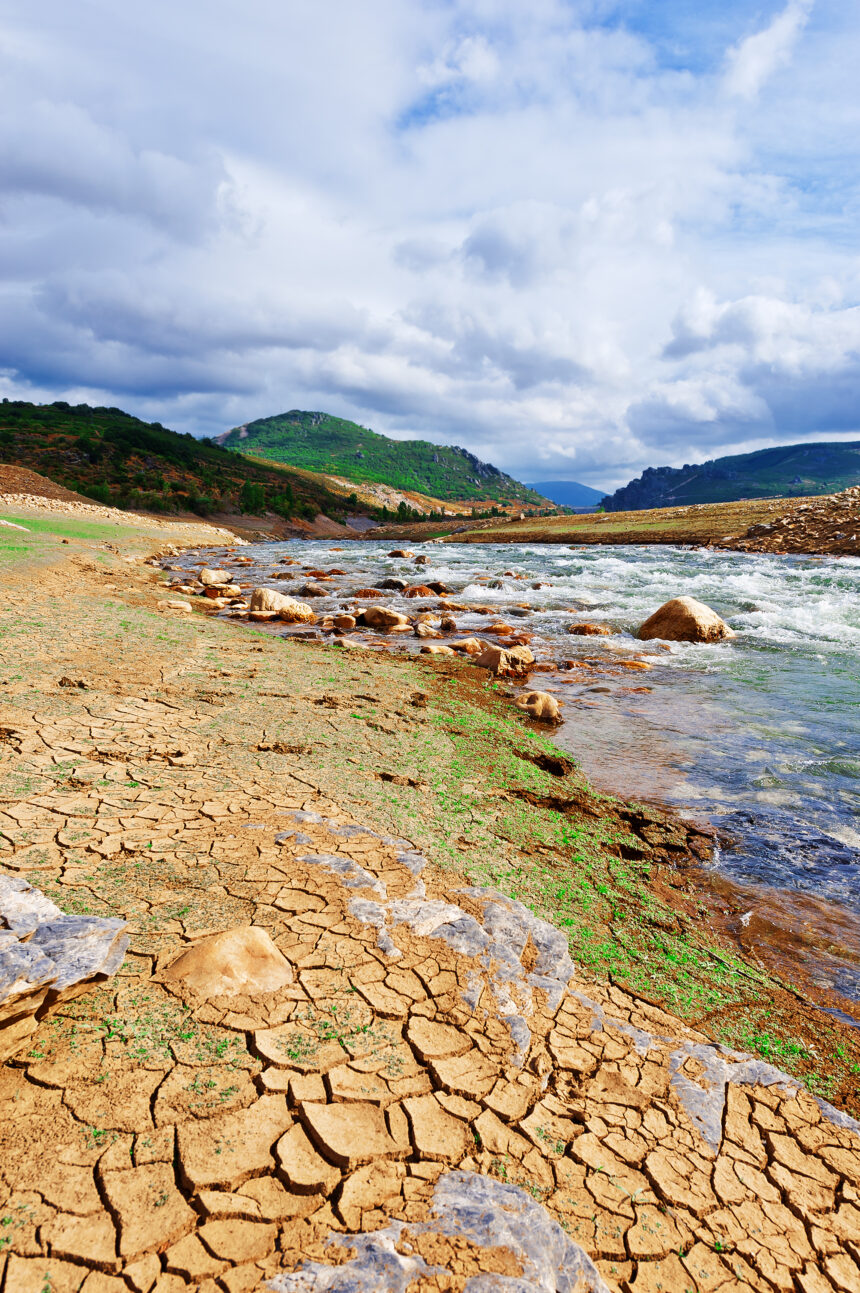
Scientists are warning that a powerful El Niño event could influence global temperatures and rainfall patterns into 2027. Here is what the climate phenomenon means, how it may affect communities in Nigeria and Africa, and what individuals can do to prepare.
Introduction
You may have heard the term El Niño in recent news reports about changing weather patterns, extreme heat, drought and flooding. Although the name may sound unfamiliar, the phenomenon has consequences that can reach far beyond the ocean where it begins.
In October 2026, the World Meteorological Organization (WMO) reported that El Niño was strengthening and could reach exceptionally high levels towards the end of the year. Its forecasts warn of changing rainfall patterns and an increased risk of extreme temperatures, drought and flooding in different parts of the world.
The United States National Oceanic and Atmospheric Administration (NOAA) has also reported that the event is strengthening and could remain strong into early 2027.
For Nigerians, this is worth understanding because weather changes can affect farming, food availability, water supply, household expenses and public health.
However, El Niño does not mean that every part of Nigeria will experience drought or flooding. The effects depend on local weather systems, the time of year and other climate conditions.
What Is El Niño?
El Niño is a natural climate phenomenon that occurs when the surface waters of the central and eastern tropical Pacific Ocean become warmer than usual. This warming affects the movement of air, winds and rainfall patterns, influencing weather in regions thousands of kilometres away.
El Niño is one phase of a wider climate pattern known as the El Niño–Southern Oscillation (ENSO). The cooler phase is called La Niña, while the period between these two phases is known as ENSO-neutral.
According to the World Health Organization (WHO), ENSO events can influence rainfall and temperature, increasing the likelihood of extreme weather in some regions. El Niño events generally occur every two to seven years, although their strength and duration vary.
It is important to understand that El Niño is not the same as climate change. El Niño is a naturally occurring climate pattern, while human-driven climate change is largely caused by greenhouse gas emissions.
However, an El Niño event can occur against an already warming global background, potentially increasing the risks associated with extreme heat.
Why Is El Niño Making News in 2026?
The current El Niño event has attracted attention because forecasts indicate that it could become exceptionally strong.
In an update published on 8 October 2026, the WMO reported that sea-surface temperatures in the central and eastern tropical Pacific were expected to rise to record levels during October to December.
Its forecast placed the average temperature anomaly in the Niño 3.4 monitoring region at approximately 3.7°C above the reference average for that season. This is a forecast, not a statement that every part of the Pacific Ocean is 3.7°C warmer.
NOAA’s 8 October assessment also said that El Niño continued to strengthen, with strong-to-very-strong conditions likely to persist into early 2027. NOAA cautioned that even when an event is exceptionally strong, its effects are not guaranteed to be equally severe everywhere.
These forecasts matter because governments, farmers, health agencies and communities can use early warnings to prepare for potential weather-related problems rather than waiting for damage to occur.
How Can El Niño Affect Weather Around the World?
El Niño changes large-scale atmospheric circulation, but the resulting weather depends on the region.
Some places may experience hotter and drier conditions, while others may receive heavier rainfall. These changes can contribute to drought, wildfires, flooding, landslides and disruption to agriculture.
The Food and Agriculture Organization of the United Nations (FAO) explains that El Niño can threaten crops, livestock, fisheries and rural livelihoods by changing rainfall and temperature patterns. Farmers may face a shortage of water or pasture in some regions, while excessive rainfall can damage fields and infrastructure in others.
This is why it is misleading to say that El Niño simply means hotter weather everywhere or that it always causes drought. Its effects differ according to location, season and the interaction of other climate drivers.
Could El Niño Affect Nigeria?
Yes, El Niño can influence weather patterns in West Africa, including parts of Nigeria. However, its effects cannot be predicted accurately for every Nigerian state simply by looking at the strength of the Pacific warming.
In an October 2026 special report, the Famine Early Warning Systems Network (FEWS NET) described below-average rainfall and uneven rainy-season conditions across parts of the West African Sahel during 2026.
It identified areas including northeastern Nigeria among locations where rainfall deficits had been observed. The report also explained that rainfall effects vary across West Africa, with some areas experiencing more favourable seasonal conditions than others.
A report by Nigerian newspaper TheCable also examined the possible implications of the strengthening El Niño for Nigerian farmers. It quoted a meteorologist from the Nigerian Meteorological Agency (NiMet) cautioning that El Niño is not a precise local forecast: Nigeria’s West African monsoon, winds from the Sahara and other regional weather systems also influence what happens on the ground.
For Nigerians, the practical message is to pay attention to local forecasts and warnings rather than assume that all states will experience the same conditions.
5 Ways El Niño Could Affect Health and Everyday Life
El Niño is a climate phenomenon, but its consequences can reach people’s homes, diets, livelihoods and health. The following are important potential effects to understand.
1. Increased risk of heat-related illness
When El Niño contributes to higher temperatures in a region, people may face a greater risk of dehydration, heat exhaustion and heatstroke, particularly during prolonged hot weather.
Outdoor workers, farmers, traders, construction workers, older adults, infants and people with certain chronic illnesses may be especially vulnerable. Excessive heat can also put additional strain on the heart and kidneys.
The WHO identifies extreme heat as a serious health hazard and advises people to reduce strenuous activity during the hottest hours, seek shade or cooler spaces and drink water regularly.
2. Possible pressure on food availability and prices
Rainfall is essential for many Nigerian farmers, particularly those who depend on rain-fed agriculture. If a growing area experiences longer dry spells, inadequate rainfall or unusually high temperatures, crops may struggle to develop properly.
Livestock can also be affected when water and pasture become scarce. These problems may reduce farmers’ incomes and contribute to food supply difficulties. If supply is disrupted, some food prices may rise, although market conditions, transport costs, insecurity and other factors also influence prices.
The FAO warns that El Niño can threaten food production and livelihoods in vulnerable regions. The consequences are not automatic, but the risk is important enough for farmers and policymakers to monitor.
3. Greater pressure on water supplies
Hotter weather and prolonged dry spells can increase water demand while reducing the availability of water in some locations. Households that rely on wells, boreholes, streams or small reservoirs may be particularly concerned if local supplies decline.
Water scarcity can also make it more difficult to maintain good hygiene, prepare food safely and provide enough drinking water for children and other vulnerable people.
On the other hand, heavy rainfall and flooding can contaminate water sources with sewage, waste and other pollutants. This means both drought and excessive rainfall can create water-related health risks, although through different pathways.
4. Changes in the risk of some infectious diseases
Temperature, rainfall and humidity can influence the environments in which mosquitoes and other disease-carrying organisms survive and reproduce. El Niño-related weather changes may therefore affect the timing or location of some infectious diseases.
For example, rainfall can leave pools of standing water where mosquitoes breed. Drought can also change water-storage practices and create conditions that allow mosquitoes to reproduce around homes. Flooding may contaminate water and sanitation systems, increasing the risk of diarrhoeal illnesses.
However, El Niño does not automatically cause an outbreak of malaria, cholera or typhoid. Disease transmission also depends on sanitation, drainage, mosquito control, access to healthcare and other local factors. The WHO stresses that the relationship between ENSO and health outcomes varies by location and circumstance.
5. Disruption to work, education and family income
Extreme heat can make outdoor work difficult and increase the risk of illness among people who spend long hours in the sun. Flooding can damage roads, homes, schools and businesses, while drought can reduce agricultural income and increase the time families spend searching for water.
When livelihoods are affected, households may find it harder to afford nutritious food, transport, healthcare and other essentials. Families already struggling financially may have fewer resources to recover from a climate-related shock.
These effects show why climate preparedness is not only an environmental issue. It is also connected to health, nutrition, education and economic security.
MUST READ : 7 Warning Signs Your Body May Be Reacting to Antibiotics
How Can Nigerians Prepare for Possible El Niño-Related Weather Changes?
No individual can control a climate pattern, but families and communities can take practical steps to reduce their exposure to heat, water problems and severe weather.
Practical Steps Households Can Take
1. Follow reliable weather updates. Check forecasts and official alerts from NiMet and relevant state emergency agencies. Do not rely solely on viral social media posts or general predictions about El Niño.
2. Prepare for hot weather. Drink water regularly, wear light clothing, seek shade and limit strenuous outdoor activity during the hottest part of the day when possible. Check on infants, older adults and people who may be more vulnerable to heat.
3. Protect drinking water. Store water in clean, covered containers. Use a safe water source and follow local public-health advice on water treatment, especially after flooding or when the safety of a supply is uncertain.
4. Prevent mosquito breeding. Empty containers that collect stagnant water, cover water-storage vessels and use recommended mosquito-prevention measures. Continue following official malaria-prevention advice regardless of the weather.
5. Practise food safety. Keep food covered, wash hands before preparing meals and avoid consuming food or water that may have been contaminated by floodwater.
6. Prepare for both dry spells and heavy rainfall. Farmers should seek locally appropriate advice on planting dates, crop varieties, soil moisture and water management. Households in flood-prone areas should keep drainage paths clear where safe to do so and follow evacuation instructions from emergency authorities.
7. Pay attention to signs of heat illness. Heavy sweating, dizziness, weakness, headache and nausea can indicate heat exhaustion. Move to a cooler place and seek appropriate help. Confusion, collapse or a very high body temperature may indicate heatstroke, which is a medical emergency.
What Should Farmers and Government Agencies Do?
Preparation should not rest entirely on individuals. Farmers, local governments, health agencies and emergency-management authorities also have important roles to play.
Farmers need timely, location-specific weather information so they can make decisions about planting, irrigation, livestock and harvesting. Where appropriate, improved water management, soil conservation, crop diversification and drought-tolerant varieties can help reduce vulnerability.
Government agencies should strengthen early-warning communication, maintain drainage and water infrastructure, support safe water and sanitation, monitor food security and ensure that health facilities are prepared for climate-related emergencies.
NiMet’s seasonal climate predictions are particularly relevant because they provide Nigeria-specific information on rainfall, temperature, dry spells and other factors useful to agriculture, health and water management. Residents should consult these local forecasts alongside broader international reports about El Niño.
Does El Niño Mean Nigeria Will Experience a Climate Disaster?
No. A strong El Niño does not mean that every country will experience a disaster, nor does it tell us exactly what the weather will be in a particular Nigerian community.
It changes the probability of certain weather patterns. Other factors, including the West African monsoon, Atlantic and Indian Ocean conditions, local geography and existing environmental challenges, influence the final outcome.
The responsible approach is to take credible forecasts seriously without spreading fear. Communities should prepare for the risks that local evidence identifies, while authorities continue updating their forecasts as new information becomes available.
Final Thoughts
El Niño is a natural climate phenomenon with the potential to affect weather, agriculture, water availability and human health. The strengthening event forecast for late 2026 and early 2027 has prompted international agencies to highlight the possibility of extreme heat, rainfall disruptions, drought and flooding in different parts of the world.
For Nigeria, the effects will depend on regional and local conditions. Understanding the phenomenon can help households make safer decisions, farmers plan more carefully and public agencies prepare for possible disruptions.
The key lesson is simple: stay informed, prepare early and follow local weather and public-health advice. Climate forecasts cannot prevent every extreme event, but timely information and practical preparation can help reduce its impact on people’s lives.