

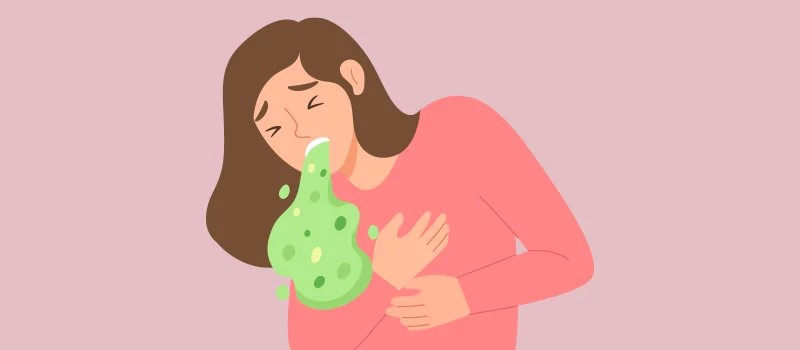
Food poisoning can come from meals that look perfectly normal making awareness, prevention, and early response critical for protecting your health.
Introduction
Most people assume food poisoning only happens after eating something obviously bad food that smells sour, looks discolored, or tastes unusual.
But in reality, many cases begin with meals that appear completely safe. Harmful bacteria, viruses, or toxins are often invisible, odorless, and undetectable without laboratory testing.
Food poisoning, also known as foodborne illness, affects millions of people each year worldwide.
While many cases are mild and resolve within a few days, others can lead to severe dehydration, organ complications, and even death especially among vulnerable populations.
Understanding how food poisoning happens, how it affects the body, and how to prevent it is not optional it is essential.
What Exactly Is Food Poisoning?
Food poisoning occurs when you consume food or beverages contaminated with harmful microorganisms or toxic substances. Contamination can happen at any stage:
- During farming or production
- During processing or packaging
- During transportation
- During storage
- During cooking or serving
The danger is not always poor hygiene alone. Improper temperature control, cross-contamination, undercooking, and unsafe water can all introduce pathogens into food.
MUST READ:What Happens When You Skip Breakfast Regularly
The Most Common Causes of Food Poisoning
Food poisoning is typically caused by harmful bacteria, viruses, parasites, or toxins that contaminate food during production, storage, or preparation.
Bacterial Infections
Bacteria are the leading cause of foodborne illnesses. Some of the most common include:
- Salmonella – Often linked to poultry, eggs, and raw meat
- Escherichia coli (E. coli) – Found in undercooked beef and contaminated produce
- Listeria monocytogenes – Common in unpasteurized dairy and processed meats
- Campylobacter – Frequently associated with raw poultry
These bacteria multiply rapidly when food is kept between unsafe temperatures often referred to as the “danger zone.”
Viral Infections
Viruses can also contaminate food, especially through infected food handlers. A leading example is:
- Norovirus – Highly contagious and commonly spread through contaminated food or surfaces
Toxins and Chemical Contamination
Some bacteria produce toxins in food before it is eaten. In other cases, food may be contaminated with harmful chemicals during processing or storage.
What Happens Inside the Body?
When contaminated food enters the digestive system, the body reacts quickly.
The Immune Response
Pathogens irritate the lining of the stomach and intestines. In response, the body triggers defense mechanisms:
- Vomiting to expel harmful substances
- Diarrhea to flush out toxins
- Fever to fight infection
These symptoms are not random; they are protective responses designed to eliminate invaders.
Fluid and Electrolyte Loss
Frequent vomiting and diarrhea can cause rapid loss of fluids and essential electrolytes like sodium and potassium. This can lead to dehydration, which is the most dangerous complication of food poisoning.
Recognizing the Symptoms
Symptoms may appear within hours or take several days, depending on the type of contaminant. Common signs include:
- Nausea
- Vomiting
- Diarrhea
- Abdominal cramps
- Fever
- Fatigue
Severe warning signs include:
- Bloody stool
- Persistent high fever
- Severe abdominal pain
- Signs of dehydration (dry mouth, dizziness, minimal urination)
These require immediate medical attention.
Treatment: What to Do If You Suspect Food Poisoning
If you suspect food poisoning, early action is key to preventing complications.
Step 1: Prioritize Hydration
The most important treatment is replacing lost fluids. Small, frequent sips of water or oral rehydration solutions are best.
Step 2: Rest the Digestive System
Allow the stomach to settle before reintroducing food. Start with light, bland options when appetite returns.
Step 3: Seek Medical Care When Necessary
Immediate medical attention is required if:
- Symptoms last more than three days
- There is blood in vomit or stool
- Fever is high and persistent
- Dehydration symptoms worsen
Antibiotics are not always needed and are only prescribed in specific bacterial cases.
Prevention: The Real Power Lies in the Kitchen
Food poisoning is largely preventable. Simple daily habits make a significant difference.
Wash Hands Properly
Handwashing before food preparation and after handling raw meat is non-negotiable.
Avoid Cross-Contamination
Keep raw meat separate from ready-to-eat foods. Use different utensils and cutting boards when possible.
Cook Food Thoroughly
Undercooked food is one of the biggest risk factors. Proper cooking temperatures kill most harmful bacteria.
Store Food Safely
Refrigerate perishable items promptly. Avoid leaving cooked food at room temperature for extended periods.
Be Cautious With Leftovers
Reheat leftovers thoroughly and discard food that has been stored for too long.
Final Thoughts
Food poisoning is not always dramatic but it is never trivial. It can arise from meals that look safe and clean, making vigilance essential. The body has powerful defense mechanisms, but prevention remains far better than treatment.
Safe food handling, proper cooking, good hygiene, and awareness of symptoms are foundational to public health. Health protection does not start in emergency rooms it starts in everyday food choices and kitchen habits.