

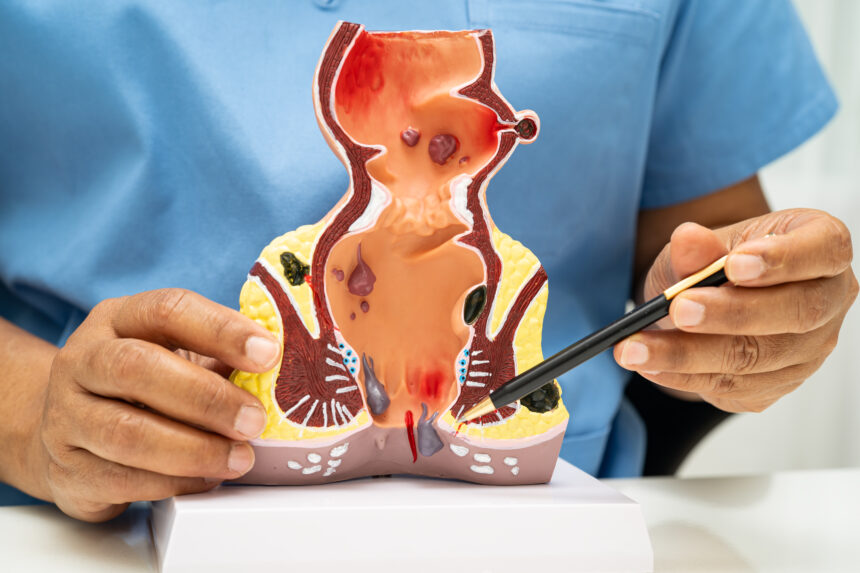
Hemorrhoids are common but often uncomfortable. Understanding what causes them and how to manage them can help you find relief and prevent future discomfort.
Introduction
Hemorrhoids, often referred to as piles, are a common condition that many people experience at some point in their lives.
Despite how common they are, they are rarely talked about openly, which can make the condition feel more concerning than it actually is.
They occur when the veins in the lower rectum or around the anus become swollen and inflamed.
While they can cause discomfort, itching, or even pain, they are usually not dangerous and can often be managed with simple lifestyle changes.
Understanding what hemorrhoids are, why they develop, and how to treat them can help you respond quickly and reduce discomfort.
What Are Hemorrhoids
Hemorrhoids are swollen veins located in the lower part of the rectum or around the anus. They are similar to varicose veins but occur in a more sensitive area.
There are two main types. Internal hemorrhoids develop inside the rectum and are usually painless, although they may cause bleeding.
External hemorrhoids form under the skin around the anus and are more likely to cause pain, itching, and swelling.
In some cases, blood can collect in an external hemorrhoid and form a clot, leading to a more painful condition.
Causes of Hemorrhoids
Hemorrhoids are mainly caused by increased pressure in the lower rectum. This pressure causes the veins to swell and become irritated.
Common causes include:
- Straining during bowel movements
- Chronic constipation or diarrhea
- Sitting for long periods, especially on the toilet
- A low-fiber diet
- Pregnancy
- Being overweight or physically inactive
Over time, repeated pressure weakens the supporting tissues around these veins, making hemorrhoids more likely to develop.
Symptoms of Hemorrhoids
The symptoms of hemorrhoids depend on their type and severity.
Common symptoms include:
- Itching or irritation around the anus
- Pain or discomfort, especially when sitting
- Swelling or a lump near the anus
- Bleeding during bowel movements
- A feeling of incomplete bowel movement
Internal hemorrhoids may not cause pain but can lead to painless bleeding. External hemorrhoids, on the other hand, are more likely to cause noticeable discomfort.
MUST READ:The Luteal Phase: What Happens in Your Body and Why It Matters
How Hemorrhoids Are Treated
In many cases, hemorrhoids can be managed at home with lifestyle changes and simple remedies.
Increasing your intake of fiber-rich foods helps soften stool and reduce the need to strain. Drinking enough water also supports smoother digestion.
Avoiding long periods of sitting, especially on the toilet, can reduce pressure on the veins. Regular physical activity helps improve circulation and prevent constipation.
For temporary relief, warm baths and over-the-counter treatments may help reduce swelling and discomfort.
In more severe cases, medical procedures may be recommended to remove or shrink the hemorrhoids.
How to Prevent Hemorrhoids
Preventing hemorrhoids often comes down to maintaining good digestive health.
Eating a balanced diet rich in fruits, vegetables, and whole grains helps keep bowel movements regular. Staying hydrated and avoiding straining are also important.
Responding to the urge to use the bathroom promptly, rather than delaying it, can reduce pressure in the rectal area.
Small daily habits can go a long way in preventing this condition from developing or recurring.
When to See a Doctor
While hemorrhoids are usually not serious, certain symptoms should not be ignored.
If you notice persistent bleeding, severe pain, or symptoms that do not improve after a week of home care, it is important to seek medical advice.
A proper diagnosis ensures that the symptoms are not caused by another condition and helps guide the right treatment.
Final Thoughts
Hemorrhoids may be uncomfortable, but they are manageable and often preventable. Understanding the causes and recognizing the symptoms early can help you take the right steps toward relief.
Simple lifestyle changes, such as improving your diet and staying active, can make a significant difference in both treatment and prevention.