

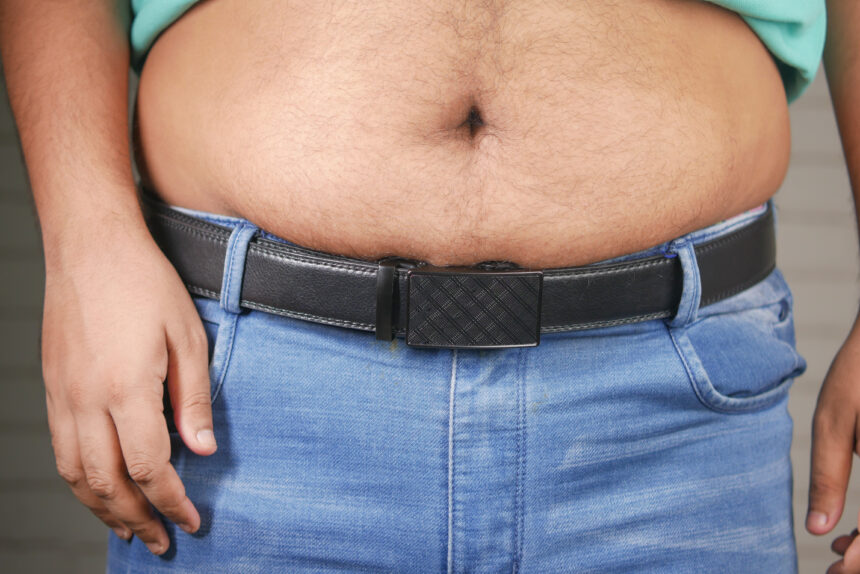
A flat tummy isn’t achieved through miracle teas, waist trainers, or endless sit-ups.
Introduction
One of the most common fitness goals is getting a flatter stomach. Whether it’s to feel more confident, fit into clothes better, or improve overall health, many people are looking for safe and effective ways to reduce belly fat.
Unfortunately, the internet is filled with quick-fix solutions that promise dramatic results in just a few days.
From detox drinks and slimming pills to waist trainers and “fat-burning” creams, many of these products fail to deliver lasting results and may even be harmful.
The truth is that you cannot choose where your body loses fat first. There is no exercise or food that specifically burns fat from the tummy alone.
However, by reducing your overall body fat through healthy habits, you can gradually lose excess fat around your waist and achieve a flatter abdomen.
What Causes Belly Fat?
Several factors contribute to the accumulation of fat around the abdomen. Eating more calories than your body needs is one of the primary causes.
A diet high in sugary drinks, processed foods, refined carbohydrates, and unhealthy fats can encourage fat storage around the waist.
A lack of physical activity also plays a significant role. When you consume more energy than you burn, the excess is stored as body fat, including around the abdomen.
Age, genetics, hormonal changes, poor sleep, chronic stress, and excessive alcohol consumption can also make it easier to gain belly fat.
Why Reducing Belly Fat Is Important
Excess fat around the abdomen, especially visceral fat that surrounds internal organs, is associated with an increased risk of heart disease, type 2 diabetes, high blood pressure, stroke, fatty liver disease, and certain cancers.
Reducing your waistline is not just about looking better it is an important investment in your long-term health.
Healthy Ways to Reduce Belly Fat
There is no overnight solution, but these evidence-based habits can help you lose belly fat safely and sustainably.
1. Eat More Protein
Protein is one of the most satisfying nutrients and can help reduce hunger, preserve muscle during weight loss, and support metabolism.
Good protein sources include fish, eggs, chicken, turkey, beans, lentils, Greek yogurt, tofu, and lean beef. Including protein with every meal may help prevent overeating.
2. Increase Your Fibre Intake
Foods rich in soluble fibre slow digestion and help you stay full for longer. Fibre also supports healthy digestion and may help reduce the accumulation of abdominal fat over time.
Excellent sources include oats, beans, vegetables, fruits, whole grains, and seeds.
3. Cut Back on Sugary Drinks
Soft drinks, sweetened fruit juices, energy drinks, and sweetened beverages are among the biggest contributors to excess calorie intake.
Replacing sugary drinks with water, unsweetened tea, or infused water can significantly reduce daily calorie consumption.
4. Choose Whole Foods
Focus your meals on foods that are as close to their natural state as possible.
Fresh vegetables, fruits, whole grains, lean proteins, legumes, nuts, and healthy fats provide nutrients that support weight loss while helping you stay satisfied.
5. Control Portion Sizes
Even healthy foods can contribute to weight gain if eaten in large amounts.
Using smaller plates, eating slowly, and paying attention to hunger and fullness cues can help prevent overeating.
6. Exercise Regularly
Physical activity is essential for reducing body fat.
Aim for at least 150 minutes of moderate-intensity exercise each week. Activities such as brisk walking, jogging, cycling, swimming, dancing, and skipping rope all help burn calories and improve overall fitness.
7. Include Strength Training
Building muscle increases the number of calories your body burns, even while resting.
Strength-training exercises using body weight, resistance bands, or weights should be performed at least two days each week to support healthy body composition.
8. Strengthen Your Core
While abdominal exercises do not directly burn belly fat, they help strengthen and tone the muscles beneath the fat.
Exercises such as planks, bicycle crunches, leg raises, and mountain climbers can improve posture, strengthen the core, and contribute to a firmer-looking abdomen as body fat decreases.
9. Get Enough Sleep
Sleep plays a major role in weight management.
People who consistently sleep less than seven hours per night are more likely to gain weight because sleep deprivation affects hormones that regulate hunger and appetite.
Aim for seven to nine hours of quality sleep each night.
10. Manage Stress
Chronic stress increases cortisol, a hormone that can encourage fat storage around the abdomen and trigger emotional eating.
Managing stress through relaxation techniques, prayer or meditation, deep breathing, exercise, spending time with loved ones, or engaging in hobbies can support healthy weight management.
MUST READ:Why Your Waist Circumference Matters More Than Your Weight
Foods That Can Help You Achieve a Flatter Tummy
Beans, eggs, fish, chicken, oats, sweet potatoes, vegetables, apples, berries, avocados, yogurt, nuts, and green leafy vegetables are all excellent choices for people trying to reduce belly fat.
For Nigerians, healthy options such as beans, unripe plantain, moi moi, okra, ugu, spinach, garden eggs, grilled fish, and fresh fruits can easily become part of a weight-loss meal plan.
Common Mistakes That Slow Belly Fat Loss
Skipping meals often leads to overeating later in the day. Depending on slimming teas, detox drinks, or unregulated weight-loss supplements may produce temporary water loss rather than true fat loss.
Another common mistake is performing hundreds of sit-ups while neglecting healthy eating and full-body exercise. Spot reduction the idea that you can burn fat from one specific part of the body is a myth.
Finally, expecting dramatic results within a few days can lead to frustration. Healthy fat loss takes time, consistency, and patience.
How Long Does It Take to Get a Flat Tummy?
Your starting weight, eating habits, activity level, age, genetics, and consistency all influence how quickly you see results. Most health experts recommend aiming for gradual, sustainable weight loss rather than rapid changes.
Remember that the goal should be improving your health, not simply achieving a certain appearance.
Final Thoughts
Achieving a flatter tummy is not about following fad diets or chasing quick fixes. It is about building healthy habits that reduce overall body fat while improving your physical and mental well-being. Eating nutritious foods, staying active, sleeping well, managing stress, and being consistent are the foundations of long-term success.
Instead of focusing solely on the size of your waist, focus on becoming healthier, stronger, and more energetic. Over time, those healthy choices will not only help reduce belly fat but also lower your risk of chronic diseases and improve your quality of life.