

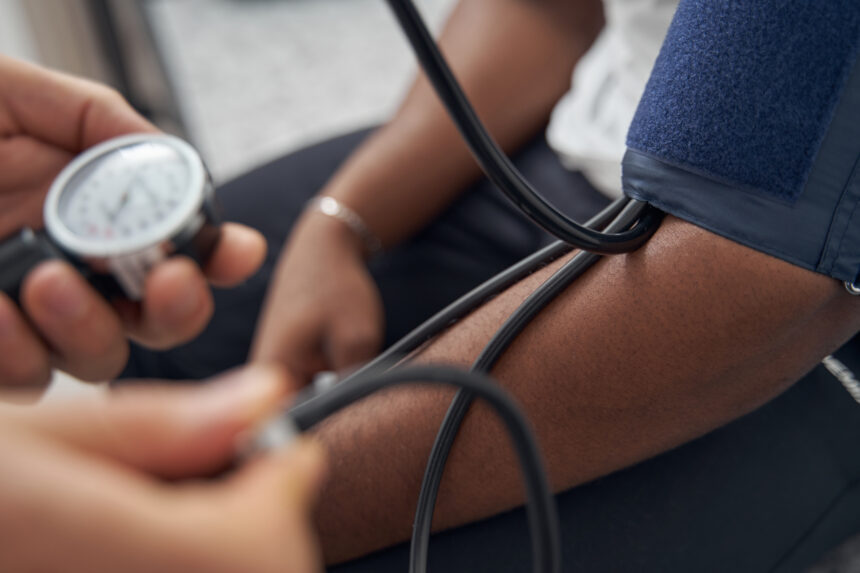
Hypertension, commonly known as high blood pressure, affects millions of people worldwide and often develops without noticeable symptoms.
Introduction
Many health conditions come with obvious warning signs, but hypertension is different. Often called the “silent killer,” high blood pressure can damage the body for years before a person realizes anything is wrong.
Blood pressure refers to the force of blood pushing against the walls of the arteries as the heart pumps. When this pressure remains consistently high, it puts extra strain on the heart and blood vessels, increasing the risk of serious health problems over time.
The good news is that hypertension can often be prevented, managed, and treated through healthy lifestyle choices and appropriate medical care.
What Is Hypertension?
Blood pressure is measured using two numbers. The first number, known as systolic pressure, measures the force of blood when the heart beats. The second number, called diastolic pressure, measures the pressure when the heart is resting between beats.
A normal blood pressure reading is generally below 120/80 mmHg. When blood pressure consistently remains above healthy levels, a person may be diagnosed with hypertension.
Because high blood pressure often develops gradually, many people may not realize they have it until it is detected during a routine health checkup.
Why Hypertension Is Called the Silent Killer
One of the most dangerous aspects of hypertension is that it often causes no obvious symptoms, especially during its early stages.
Many people feel perfectly healthy while their blood pressure continues to rise. Meanwhile, the condition may be quietly damaging blood vessels, the heart, kidneys, brain, and eyes.
In some cases, symptoms such as severe headaches, dizziness, chest pain, blurred vision, or shortness of breath may occur, but these often appear when blood pressure has reached dangerously high levels.
This is why regular blood pressure monitoring is so important.
Common Causes and Risk Factors
Several factors can contribute to high blood pressure. Some are within our control, while others are not.
Unhealthy Diet
A diet high in salt, processed foods, saturated fats, and added sugars can contribute to elevated blood pressure over time.
Physical Inactivity
Regular physical activity helps keep the heart and blood vessels healthy. A sedentary lifestyle may increase the risk of hypertension.
Excess Weight
Being overweight or obese places additional strain on the heart and can significantly increase blood pressure.
Smoking and Alcohol Consumption
Smoking damages blood vessels and raises blood pressure, while excessive alcohol consumption may also contribute to hypertension.
Family History
People with close relatives who have high blood pressure may be at greater risk of developing the condition.
Age
The risk of hypertension tends to increase with age as blood vessels gradually lose some of their elasticity.
Stress
Chronic stress may contribute to temporary spikes in blood pressure and may also encourage unhealthy coping habits such as overeating or smoking.
MUST READ: Understanding Uterine Fibroids: Symptoms, Causes, and Treatment Options
Complications of Untreated Hypertension
When left uncontrolled, hypertension can affect nearly every major organ in the body.
Some of the most serious complications include:
- Heart attack
- Stroke
- Heart failure
- Kidney disease
- Vision loss
- Damage to blood vessels
- Cognitive decline and memory problems
Because these complications often develop gradually, many people do not realize the extent of the damage until significant health problems occur.
How Hypertension Is Diagnosed
Diagnosing hypertension is usually straightforward. A healthcare professional measures blood pressure using a blood pressure monitor.
Because blood pressure can fluctuate throughout the day, multiple readings may be taken over time before a diagnosis is confirmed.
Regular screenings are particularly important for adults, even if they feel healthy and have no symptoms.
Managing and Treating Hypertension
Treatment depends on the severity of the condition and the individual’s overall health.
Lifestyle Changes
For many people, healthy lifestyle changes are the first line of defense.
These may include:
- Reducing salt intake
- Eating more fruits and vegetables
- Maintaining a healthy weight
- Exercising regularly
- Limiting alcohol consumption
- Quitting smoking
- Managing stress effectively
Medications
In some cases, lifestyle changes alone may not be enough. Doctors may prescribe medications to help lower blood pressure and reduce the risk of complications.
It is important to take medications exactly as prescribed and attend regular follow-up appointments.
Can Hypertension Be Prevented?
While not all cases can be prevented, many can be avoided through healthy daily habits.
Choosing a balanced diet, staying physically active, maintaining a healthy weight, avoiding tobacco, and managing stress can significantly lower the risk of developing high blood pressure.
Prevention is often easier than treatment, making healthy lifestyle choices an important investment in long-term health.
When to See a Doctor
Because hypertension often develops silently, routine health screenings are essential.
You should consult a healthcare professional if:
- Your blood pressure readings are consistently high
- You have a family history of hypertension
- You experience symptoms such as chest pain, severe headaches, or shortness of breath
- You have other risk factors such as diabetes or obesity
Early diagnosis can help prevent serious complications and improve long-term outcomes.
Final Thoughts
Hypertension is one of the most common health conditions worldwide, yet many people remain unaware that they have it. Its ability to develop without obvious symptoms makes regular blood pressure checks essential.
The good news is that high blood pressure is manageable. Through healthy lifestyle choices, routine monitoring, and appropriate medical care when needed, many people can successfully control their blood pressure and reduce their risk of serious health complications.