

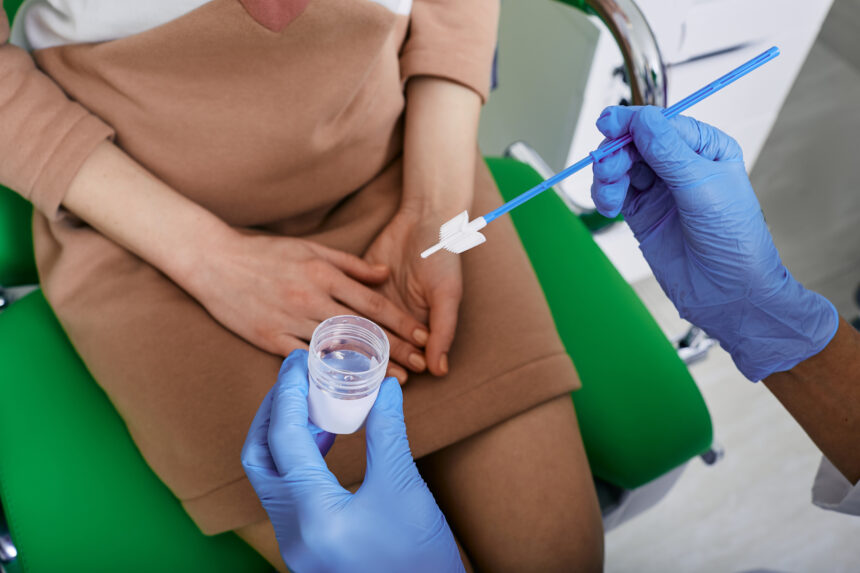
A Pap smear is a simple screening test that can detect abnormal changes in the cells of the cervix before they develop into cervical cancer. Understanding when and why screening is needed can help women protect their health.
Introduction
Cervical cancer remains an important health concern for women, but it is also one of the cancers that can often be prevented through vaccination, screening and appropriate treatment of abnormal cervical changes.
One of the tests traditionally used to screen for cervical cancer is the Pap smear, also called the Pap test. The test involves collecting cells from the cervix and examining them for abnormal changes.
The purpose of a Pap smear is not simply to look for cancer. It can identify abnormal cells that may have the potential to become cancerous, allowing healthcare professionals to monitor or treat them before cancer develops.
What Is a Pap Smear?
A Pap smear is a cervical cancer screening test that checks cells collected from the cervix for abnormal changes.
The cervix is the lower part of the uterus that connects to the vagina. During the test, a healthcare professional gently collects cells from the cervix using a small brush or other appropriate sampling device.
The collected cells are then examined in a laboratory. Depending on the healthcare system and screening programme, HPV testing may also be used as the primary cervical cancer screening test, with a Pap test used in certain situations. Human papillomavirus, commonly called HPV, is responsible for most cases of cervical cancer.
Why Is a Pap Smear Important?
Cervical cancer often develops gradually. HPV infection can cause changes in cervical cells, and some abnormal cells can eventually progress to cancer if they are not detected and managed.
Screening gives healthcare professionals an opportunity to identify these changes early. This means that a Pap smear is not primarily a test for women who already have cancer symptoms. It is a screening test for women who may feel completely healthy.
What Is HPV?
HPV is a very common group of viruses that can infect the skin and mucous membranes. Some types of HPV can cause genital warts, while certain high-risk types can cause abnormal changes in cervical cells and contribute to cervical cancer.
Most HPV infections do not lead to cancer, and many clear naturally. However, persistent infection with high-risk HPV types can increase the risk of cervical cancer. This is why HPV testing and cervical screening are important tools in preventing the disease.
Who Should Have Cervical Cancer Screening?
The recommended age to begin screening and how often screening should be done depend on the country’s guidelines, the type of test available and a woman’s individual circumstances.
Women should speak with a qualified healthcare professional or local screening programme about the recommended schedule.
Screening recommendations may also differ for women who have had previous abnormal results, have a weakened immune system, have been treated for cervical precancer or have other specific risk factors.
It is important not to assume that one screening schedule applies to every woman.
MUST READ: Malaria vs. Typhoid: How Are They Different?
What Happens During a Pap Smear?
Many women feel nervous before their first Pap smear because they do not know what to expect.
You will usually lie on an examination bed while the healthcare professional gently inserts a device called a speculum into the vagina. The speculum allows the cervix to be seen.
A small brush is then used to collect cells from the cervix.the sample is sent to a laboratory for examination. The procedure usually takes only a few minutes.
You may experience some pressure or mild discomfort during the examination, but it should not normally be severely painful. If you feel significant pain, tell the healthcare professional so they can stop and make adjustments.
Does a Pap Smear Hurt?
A Pap smear can feel uncomfortable, especially if you are tense or if this is your first examination. Some women describe a sensation of pressure when the speculum is inserted or mild cramping when the cervical sample is collected.
Relaxing your pelvic muscles and communicating with the healthcare professional can make the experience easier. If the examination is painful, do not remain silent. Tell the healthcare professional what you are experiencing.
Can You Have a Pap Smear During Your Period?
Menstrual blood can sometimes interfere with the quality of a cervical sample. For this reason, your healthcare provider may recommend scheduling the test when you are not having your menstrual period.
However, the best approach depends on the circumstances and the screening method being used. If you have an appointment during your period, ask the healthcare facility whether you should keep or reschedule the appointment.
What Should You Do Before a Pap Smear?
Your healthcare provider may give you specific instructions before the test. In general, it can be helpful to avoid vaginal intercourse and products or medicines placed inside the vagina for a short period before the examination because they may interfere with the sample.
Follow the instructions given by the clinic conducting the screening.
What Do Pap Smear Results Mean?
A result may show that the cervical cells are normal or that there are abnormal changes that require further evaluation.
Some abnormal changes are minor and may return to normal without treatment. Other changes may require additional testing, closer monitoring or treatment to prevent them from progressing.
If your result is abnormal, your healthcare professional will explain what the finding means and whether you need another test or further examination.
What Happens After an Abnormal Result?
The next step depends on the type and severity of the abnormality, your age, previous screening results and whether HPV is detected.
Your healthcare professional may recommend repeating the screening test after a period of time or carrying out additional investigations.
One possible follow-up procedure is a colposcopy, which allows a healthcare professional to examine the cervix more closely. A small tissue sample, called a biopsy, may sometimes be taken during this examination.
An abnormal result should therefore be viewed as a reason for appropriate follow-up, not as a reason to panic.
Can a Pap Smear Prevent Cervical Cancer?
A Pap smear itself does not prevent HPV infection. However, screening can help prevent cervical cancer by identifying abnormal cells early, when they can be monitored or treated before they develop into cancer.
HPV vaccination is another important prevention measure because it protects against HPV types that can cause several HPV-related cancers, including cervical cancer.
The strongest protection comes from combining appropriate HPV vaccination with recommended cervical screening.
Pap Smear and HPV Test: Are They the Same?
No.
A Pap smear looks for abnormal changes in cervical cells, while an HPV test looks for high-risk types of human papillomavirus that can cause those changes.
Some cervical cancer screening programmes use HPV testing as the primary screening method. Others use cytology, which is the laboratory examination of cervical cells, or a combination depending on the circumstances.
Your healthcare provider can explain which screening method is recommended and available to you.
What About Women Who Have Had the HPV Vaccine?
HPV vaccination significantly reduces the risk of cervical cancer, but it does not eliminate the need for recommended screening.
The vaccine does not protect against every HPV type that can potentially cause cervical cancer. Therefore, vaccinated women should still follow the cervical cancer screening recommendations that apply to them.
Can You Still Need Screening After Menopause?
Yes.
Reaching menopause does not automatically mean that cervical cancer screening should stop. The decision about when to stop screening depends on factors such as age, previous screening history and whether a woman has had adequate prior screening.
Women should discuss their individual situation with a healthcare professional rather than stopping screening simply because their menstrual periods have ended.
What Symptoms Should You Never Ignore?
Cervical screening is important, but it is not a substitute for seeking medical attention when symptoms occur.
See a healthcare professional if you experience unusual vaginal bleeding, particularly bleeding after sexual intercourse, bleeding between menstrual periods or bleeding after menopause.
Persistent unusual vaginal discharge, pelvic pain or pain during sexual intercourse should also be evaluated.
These symptoms do not necessarily mean cervical cancer. They can have many other causes, but they should not be ignored.
How Can Women Reduce Their Risk of Cervical Cancer?
Regular cervical cancer screening is one important step. HPV vaccination can also reduce the risk of infection with high-risk HPV types. Practising safer sexual behaviour can reduce exposure to HPV, while avoiding tobacco use can further support cervical health.
Most importantly, women should follow recommended screening schedules and complete any follow-up investigations after an abnormal result.
Final Thoughts
A Pap smear is a simple but important cervical cancer screening test. By identifying abnormal cervical cells early, screening can give women an opportunity to receive appropriate follow-up and treatment before potentially serious disease develops.
An abnormal Pap smear does not mean that a woman has cervical cancer, but it should never be ignored. The recommended follow-up depends on the specific result and the woman’s individual circumstances.