

Hidden in colorful fruits and vegetables are powerful compounds called phytonutrients. While not essential like vitamins, they play a key role in protecting your body and supporting long-term health.
Introduction
When people think about nutrition, they often focus on vitamins, minerals, and proteins. However, there is another group of natural compounds that quietly supports your health phytonutrients.
Phytonutrients, also known as phytochemicals, are substances found in plant-based foods. They are responsible for the vibrant colors in fruits and vegetables and play a protective role in plants themselves.
For humans, these compounds offer a range of health benefits, from supporting the immune system to helping reduce the risk of chronic diseases. Understanding phytonutrients can help you make more informed choices about what you eat and how it affects your body.
What Are Phytonutrients
Phytonutrients are natural chemicals produced by plants to protect themselves from damage caused by sunlight, insects, and environmental threats.
Although they are not considered essential nutrients like vitamins, they still play an important role in keeping your body functioning properly.
There are thousands of different phytonutrients found in plant foods, and each one contributes to health in its own unique way.
Why Phytonutrients Matter for Your Health
Phytonutrients help protect your body at a deeper level. One of their main roles is acting as antioxidants, which help fight harmful molecules known as free radicals.
These compounds also support the immune system, reduce inflammation, and contribute to overall cellular health.
In addition, diets rich in phytonutrients have been linked to a lower risk of chronic diseases such as heart disease, certain cancers, and metabolic conditions.
While they may not be required for survival, they are essential for optimal health and disease prevention.
Types of Phytonutrients
There are thousands of phytonutrients, but some key groups stand out due to their health benefits.
Carotenoids
These are responsible for the yellow, orange, and red colors in foods like carrots, tomatoes, and pumpkins. They act as antioxidants and support eye health and immunity.
Flavonoids
Found in fruits, vegetables, and tea, flavonoids help reduce inflammation and support heart health. They may also play a role in reducing the risk of certain diseases.
Resveratrol
This phytonutrient is found in grapes and red wine. It has antioxidant and anti-inflammatory properties and may support heart health.
Glucosinolates
Common in vegetables like broccoli and cabbage, these compounds are linked to cancer prevention and detoxification processes in the body.
Phytoestrogens
These plant compounds can mimic or influence estrogen in the body. They are found in foods like soy and seeds and may support hormonal balance.
Ellagic Acid
Found in berries and pomegranates, this compound may help protect cells and slow the growth of harmful cells.
MUST READ:6 Common Sleep Problems and How They Affect Your Rest
Food Sources of Phytonutrients
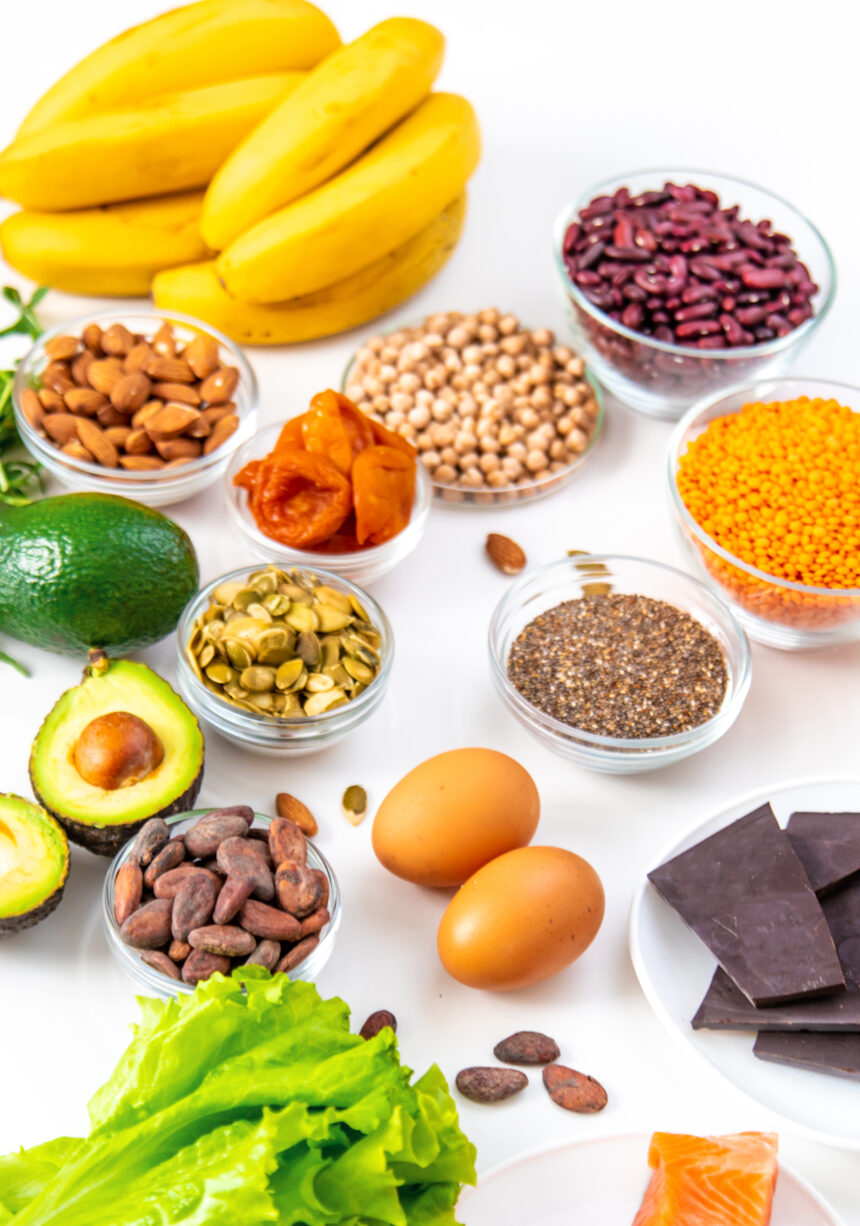
Phytonutrients are found in a wide variety of plant-based foods. The more colorful your plate, the more diverse your intake.
Common sources include:
- Fruits and vegetables
- Whole grains
- Nuts and seeds
- Beans and legumes
- Tea and plant-based beverages
Each color in fruits and vegetables represents different phytonutrients, which is why eating a variety is important.
How to Increase Your Intake
The easiest way to boost phytonutrient intake is to include more plant-based foods in your diet.
Eating a variety of colorful fruits and vegetables ensures you get a wide range of these beneficial compounds. Experts often recommend “eating the rainbow” as a simple guide.
Whole foods are always the best source. While supplements exist, they do not provide the same combination of nutrients found in natural foods and may not offer the same benefits.
Things to Keep in Mind
There is no recommended daily amount for phytonutrients, but variety is essential. Different phytonutrients work together to support your health, so focusing on one type alone is not enough.
It is also important to remember that phytonutrients work best as part of an overall healthy diet, not as a replacement for other nutrients.
Final Thoughts
Phytonutrients may not always be the focus of nutrition discussions, but they play a powerful role in supporting your health. From protecting your cells to reducing the risk of disease, these plant compounds offer benefits that go beyond basic nutrition.
By choosing a diet rich in fruits, vegetables, and other plant-based foods, you give your body access to a wide range of these protective compounds.