

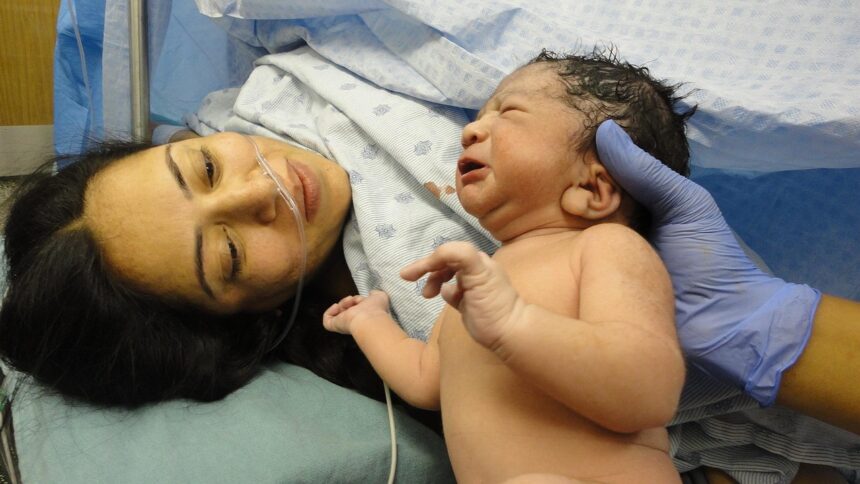
The weeks after childbirth are a critical time for healing, adjustment, and support. Understanding how to care for your body and mind can make this transition healthier and more empowering.
Introduction
Welcoming a new baby is a beautiful and life-changing experience, but it also comes with significant physical, emotional, and mental changes for a mother.
The postpartum period often called the fourth trimester is a time of recovery, learning, and adaptation. While much attention is placed on the baby, a mother’s health and wellbeing are just as important.
This guide highlights essential postpartum health tips to help new mothers heal properly, regain strength, and navigate early motherhood with confidence.
Understanding Postpartum Recovery
Every woman’s postpartum experience is different. Recovery can take weeks or even months, depending on factors such as delivery method, overall health, and level of support.
What Happens After Childbirth?
After delivery, the body begins to heal from pregnancy and labor. Hormone levels shift rapidly, the uterus shrinks back to its normal size, and energy levels may fluctuate. Emotional changes are also common, ranging from joy to anxiety or sadness.
Physical Health Tips for New Mothers
Supporting your body’s recovery helps reduce complications and improves long-term wellbeing.
Prioritize Rest and Sleep
Sleep deprivation is common with a newborn, but rest is essential for healing. Sleep when the baby sleeps, accept help from loved ones, and avoid overexertion during the early weeks.
Nourish Your Body with Healthy Foods
A balanced diet supports healing, energy levels, and milk production for breastfeeding mothers. Focus on:
- Whole grains, fruits, and vegetables
- Lean proteins such as fish, eggs, beans, and poultry
- Healthy fats from nuts, seeds, and avocados
Staying hydrated is equally important drink water regularly throughout the day.
Ease Back into Physical Activity
Gentle movement such as walking can improve circulation and mood. Avoid intense exercise until your healthcare provider gives approval, especially after a cesarean birth. Pelvic floor exercises can help restore core strength and bladder control.
MUST READ:Hydration Hacks: 6 Best Drinks for Fitness Enthusiasts
Emotional and Mental Wellbeing
Postpartum emotional changes are normal, but they should never be ignored.
Understand Baby Blues vs Postpartum Depression
Many new mothers experience mood swings, tearfulness, or irritability in the first two weeks after birth—this is known as baby blues. However, if feelings of sadness, anxiety, or hopelessness persist or worsen, it may be postpartum depression and requires professional support.
Ask for Help and Build Support
Motherhood is not meant to be done alone. Talk openly with your partner, family, or friends about how you feel. Joining a support group or connecting with other new mothers can reduce feelings of isolation.
Make Time for Yourself
Even short moments of self-care such as a warm shower, reading, or quiet breathing can significantly improve mental wellbeing.
Breastfeeding and Body Care
Breastfeeding can take time to learn. Seek guidance from a lactation consultant or healthcare provider if you experience pain, latching difficulties, or concerns about milk supply.
Pay Attention to Your Body
Watch for warning signs such as:
- Heavy or prolonged bleeding
- Fever or chills
- Severe abdominal pain
- Signs of infection
Prompt medical attention can prevent complications.
Postpartum Check-Ups and Health Monitoring
Attend all postpartum appointments to monitor healing, mental health, blood pressure, and overall recovery. These visits are also an opportunity to discuss family planning, nutrition, and emotional wellbeing.
Adjusting to a New Routine
Your daily routine will change, and that’s okay. Focus on bonding with your baby rather than trying to “do it all.”
There is no perfect way to be a mother. Trust yourself, learn as you go, and remember that progress matters more than perfection.
Final Thought
Postpartum health is not just about recovery it’s about rebuilding strength, confidence, and balance during a major life transition. By caring for your physical body, nurturing your mental health, and accepting support, you give yourself the best foundation for motherhood.
A healthy mother is not only beneficial for herself but also for her baby and family. If you ever feel overwhelmed or unwell, remember: seeking help is a sign of strength, not weakness