

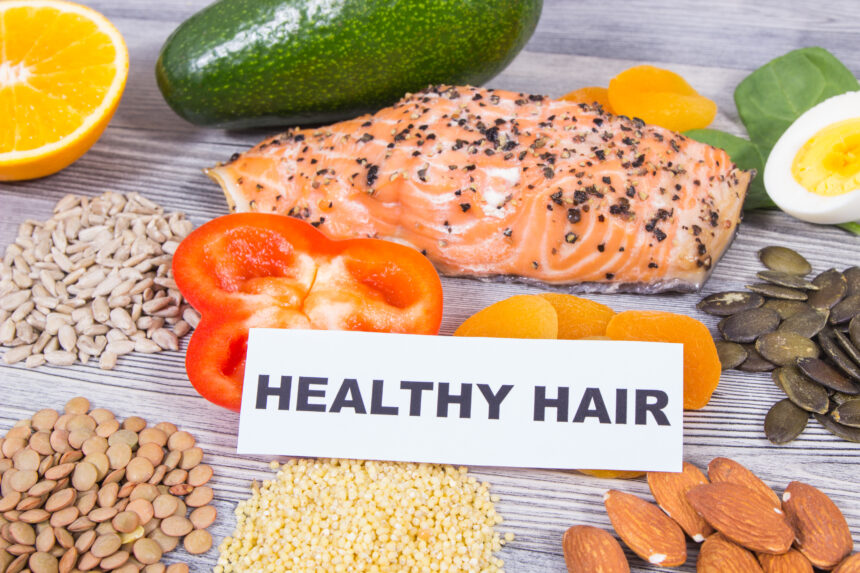
Healthy, shiny hair starts with good nutrition. While genetics and hair care routines play important roles, the foods you eat provide the essential nutrients your hair follicles need to grow strong, thick, and healthy.
Introduction
Many people dream of having long, thick, and healthy hair, often spending large amounts of money on shampoos, conditioners, oils, and hair growth products.
While these products may help improve the appearance of your hair, they cannot replace the nutrients your body needs to produce healthy hair.
Hair is made primarily of a protein called keratin, and like every other part of your body, it relies on vitamins, minerals, healthy fats, and protein to grow properly.
A poor diet can contribute to hair thinning, excessive shedding, slow growth, and dull-looking hair.
Although no single food can magically make your hair grow overnight, eating a balanced diet rich in hair-friendly nutrients can improve the health of your scalp and create the ideal environment for healthy hair growth.
How Nutrition Affects Hair Growth
Hair is one of the fastest-growing tissues in the body, but it is also one of the first areas to be affected when your body lacks essential nutrients.
Deficiencies in protein, iron, zinc, biotin, vitamin D, and certain B vitamins have all been linked to hair loss and poor hair quality.
A healthy diet supports the hair growth cycle by providing the building blocks needed for strong, resilient strands.
The Best Foods for Healthy Hair Growth
The following nutrient-rich foods can support healthy hair growth when included regularly as part of a balanced diet.
1. Eggs
Eggs are among the best foods for healthy hair because they are rich in high-quality protein and biotin. Protein provides the amino acids needed to produce keratin, while biotin supports healthy hair growth and helps maintain strong hair strands.
Eggs also contain selenium, zinc, and vitamin D, all of which contribute to healthy hair and scalp function.
2. Fatty Fish
Fish such as salmon, sardines, mackerel, and tuna are excellent sources of omega-3 fatty acids, which help nourish the scalp and reduce inflammation.
These fish also provide high-quality protein, vitamin D, and selenium, nutrients that support healthy hair follicles and may help reduce excessive hair shedding.
3. Spinach and Other Leafy Green Vegetables
Leafy vegetables such as spinach, ugu (fluted pumpkin), kale, and amaranth are packed with iron, folate, vitamin A, vitamin C, and antioxidants.
Iron helps red blood cells deliver oxygen to the hair follicles, while vitamin C improves iron absorption and supports collagen production, which strengthens hair.
4. Nuts and Seeds
Almonds, walnuts, sunflower seeds, pumpkin seeds, and flaxseeds contain vitamin E, zinc, selenium, and healthy fats that nourish both the scalp and hair.
Vitamin E acts as an antioxidant, helping protect hair follicles from damage caused by free radicals.
5. Beans and Lentils
Beans and lentils are affordable, nutrient-dense foods that provide plant protein, iron, zinc, and biotin.
Their high protein content supports keratin production, while iron helps prevent nutrient deficiencies that may contribute to hair thinning.
6. Sweet Potatoes
Sweet potatoes are rich in beta-carotene, which the body converts into vitamin A.
Vitamin A supports the production of sebum, the natural oil that keeps the scalp moisturized and promotes healthy hair growth. However, excessive vitamin A intake from supplements should be avoided, as it may contribute to hair loss.
7. Citrus Fruits
Oranges, lemons, grapefruits, and other citrus fruits are excellent sources of vitamin C.
Vitamin C helps the body absorb iron from plant-based foods and plays an important role in collagen production, which strengthens the hair shaft and reduces breakage.
8. Avocados
Avocados are rich in healthy monounsaturated fats and vitamin E, both of which support scalp health and improve hair moisture.
Their nutrients also help protect hair follicles from oxidative stress, creating a healthier environment for hair growth.
9. Greek Yogurt and Dairy Products
Yogurt, milk, and other dairy products provide protein, calcium, vitamin B12, and riboflavin.
Greek yogurt is also rich in protein, making it an excellent choice for supporting healthy hair structure and growth.
10. Oysters and Other Zinc-Rich Foods
Oysters are among the richest dietary sources of zinc, a mineral that plays an essential role in hair tissue growth and repair.
When oysters are not readily available, zinc can also be obtained from beef, pumpkin seeds, beans, lentils, and nuts.
MUST READ: 10 Dangers of Taking Weight-Loss Medications
Nutrients Your Hair Needs Most
Protein provides the building blocks for hair structure, while iron supports oxygen delivery to hair follicles. Biotin contributes to healthy hair growth, and zinc helps maintain healthy hair tissue.
Vitamin C promotes collagen formation and improves iron absorption, while omega-3 fatty acids nourish the scalp. Vitamins A, D, and E also play important roles in maintaining healthy hair follicles and protecting the scalp.
Habits That Support Healthy Hair Growth
Staying hydrated helps maintain scalp health, while adequate sleep supports normal hair growth cycles. Managing stress is equally important, as prolonged stress has been linked to increased hair shedding.
Avoiding excessive heat styling, harsh chemical treatments, and tight hairstyles can also reduce hair breakage. Washing the scalp regularly with suitable hair products and protecting the hair from excessive sun exposure further supports healthy growth.
Can Supplements Help Hair Grow Faster?
Hair growth supplements are widely marketed, but they are not necessary for everyone. If your diet already provides adequate nutrients, supplements may offer little additional benefit.
However, individuals with diagnosed deficiencies in iron, vitamin D, zinc, or other nutrients may benefit from supplements prescribed or recommended by a healthcare professional. Taking unnecessary supplements can sometimes do more harm than good.
Final Thoughts
Healthy hair begins with a healthy body. While shampoos, oils, and hair treatments may improve the appearance of your hair, lasting growth depends largely on the nutrients you consume every day.
Eating a balanced diet that includes protein-rich foods, leafy vegetables, fruits, healthy fats, legumes, and nutrient-dense whole foods provides your hair follicles with the nourishment they need to produce strong, healthy strands.
Remember that hair grows gradually, and improvements take time. Consistency is key. By combining good nutrition with proper hair care and a healthy lifestyle, you can support stronger, shinier, and healthier hair naturally.