

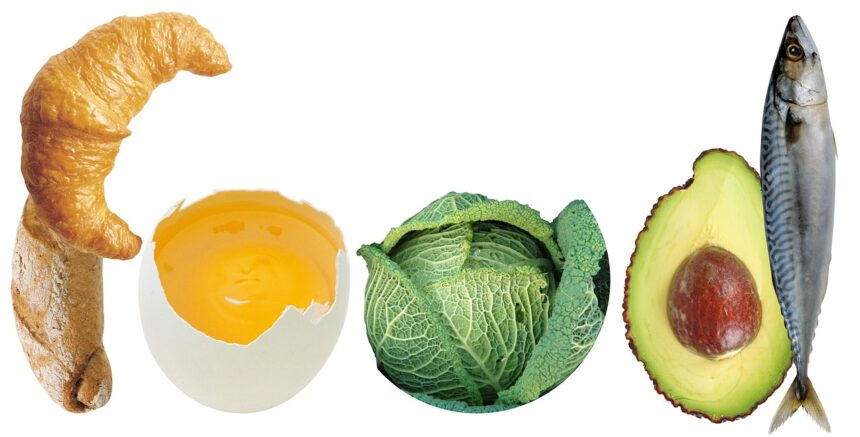
Discover nutrient-rich foods that support steady energy, focus, and endurance throughout the day
Introduction
Feeling tired in the middle of the day is a common experience, even for people who eat regularly.
While lack of sleep and stress play a role, daily energy levels are heavily influenced by what you eat.
The foods you choose can either provide sustained fuel or cause sharp spikes followed by energy crashes.
Energy from food is not just about calories. It depends on how nutrients are digested, absorbed, and used by the body.
Foods rich in complex carbohydrates, protein, healthy fats, vitamins, and minerals help maintain steady energy, support brain function, and reduce fatigue during daily activities.
This article explores the top foods that boost energy levels for daily activity and explains how they support the body’s natural energy systems.
How Food Affects Energy Levels
The body converts food into energy through complex metabolic processes. Carbohydrates provide quick fuel, proteins support muscle and tissue repair, and fats offer long-lasting energy.
Vitamins and minerals such as iron, magnesium, and B vitamins play critical roles in energy production at the cellular level.
When meals rely heavily on refined sugars and processed foods, energy rises quickly and drops just as fast. In contrast, whole foods help maintain balanced blood sugar levels, preventing fatigue and supporting consistent energy throughout the day.
Whole Grains
Whole grains provide complex carbohydrates that break down gradually, supplying a steady flow of energy rather than a sudden spike.
Energy-Boosting Whole Grains
- Oats
- Brown rice
- Whole wheat
- Quinoa
- Barley
These grains are rich in fiber and B vitamins, which help convert food into usable energy and support brain and muscle function during daily tasks.
Fruits
Fruits provide carbohydrates in their most natural form, along with water, fiber, and essential micronutrients that support energy production.
Best Fruits for Daily Energy
- Bananas for quick, accessible fuel
- Berries for antioxidant protection
- Apples for steady energy release
- Oranges for hydration and vitamin C
Unlike sugary snacks, whole fruits support energy without causing sharp crashes.
MUST READ:Gluten-Free Diet: Who Actually Needs It?
Nuts and Seeds
Nuts and seeds are energy-dense foods that provide long-lasting fuel. Their combination of healthy fats, protein, and fiber makes them ideal for maintaining energy between meals.
High-Energy Nuts and Seeds
- Almonds
- Walnuts
- Chia seeds
- Pumpkin seeds
- Sunflower seeds
They also supply magnesium, a mineral essential for muscle function and energy metabolism.
Lean Proteins
Protein helps stabilize blood sugar levels and supports muscle repair, which is essential for both physical and mental endurance.
Protein Sources That Support Energy
- Eggs
- Fish
- Lean poultry
- Greek yogurt
- Legumes
Including protein in meals helps slow carbohydrate digestion, leading to more stable energy levels throughout the day.
Healthy Fats
Fats are a concentrated source of energy and are especially important for long periods of physical or mental activity.
Healthy Fat Sources
- Avocados
- Olive oil
- Fatty fish such as salmon
- Nuts and seeds
Healthy fats also support brain health and reduce inflammation, both of which contribute to improved daily energy.
Vegetables
Vegetables may not seem like obvious energy foods, but they provide essential vitamins and minerals required for energy metabolism.
Energy-Supporting Vegetables
- Leafy greens for iron and magnesium
- Sweet potatoes for complex carbohydrates
- Bell peppers for vitamin C
- Beets for improved blood flow
Regular vegetable intake supports stamina and reduces feelings of fatigue.
Hydration and Energy
Dehydration is a common but overlooked cause of low energy. Even mild dehydration can reduce focus and physical performance.
Staying hydrated through water, herbal teas, and water-rich foods helps nutrients move efficiently through the body, supporting consistent energy levels throughout the day.
How to Combine Foods for All-Day Energy
Energy is best supported by meals that combine carbohydrates, protein, and healthy fats.
Simple strategies include:
- Pairing whole grains with protein
- Adding healthy fats to vegetable-based meals
- Choosing whole foods over processed snacks
Balanced meals help maintain stable blood sugar and sustained energy.
Final Thoughts
Boosting daily energy levels does not require stimulants or extreme dietary changes. Consistent energy comes from nourishing the body with whole, nutrient-dense foods that support natural metabolic processes.
By focusing on whole grains, fruits, vegetables, lean proteins, healthy fats, and proper hydration, you can fuel your body for daily activity without experiencing energy crashes.