

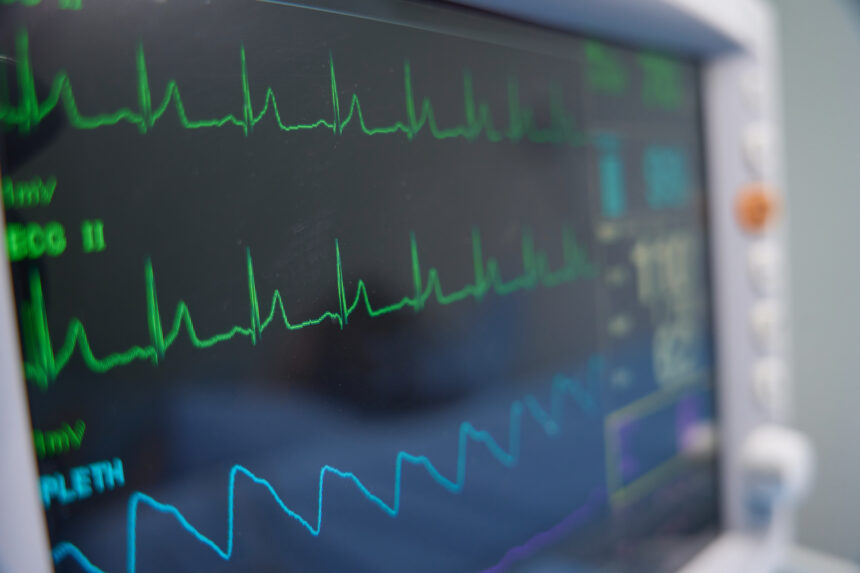
A fast heartbeat can happen after exercise, stress or too much caffeine, but sometimes it can be a sign of an underlying health problem. Knowing the possible causes can help you understand when it is normal and when it needs medical attention.
Introduction
Have you ever suddenly felt your heart beating faster than usual? You may notice your heart pounding, fluttering or racing in your chest, sometimes even when you are sitting or lying down.
A fast heartbeat is often temporary and harmless. Your heart naturally beats faster when you exercise, become frightened, feel anxious or experience strong emotions.
However, a heartbeat that becomes unusually fast without an obvious reason, keeps happening or comes with other symptoms should not be ignored.
The medical term for a resting heart rate above 100 beats per minute is tachycardia. However, the meaning of a fast heartbeat depends on what you are doing, your age, your health and the circumstances surrounding it.
What Is a Normal Heart Rate?
For most adults, a resting heart rate between 60 and 100 beats per minute is considered normal.
Your heart rate can temporarily rise above this range during exercise or when your body is responding to stress, illness or other factors. This does not necessarily mean that something is wrong with your heart.
The important question is often not simply how fast the heart is beating, but why it is beating fast and whether there are other symptoms.
What Causes a Fast Heartbeat?
There are many possible causes of a fast heartbeat, ranging from normal responses to conditions that require medical attention.
1. Exercise
Physical activity is one of the most common reasons for an increased heart rate.
When you exercise, your muscles need more oxygen and nutrients. Your heart responds by pumping more blood around the body, causing your heartbeat to become faster.
Your heart rate should generally begin to slow down when you stop exercising and recover.
2. Stress and Anxiety
Strong emotions can make your heart beat faster. When you are frightened, anxious, angry or under significant stress, your body releases hormones such as adrenaline. These hormones prepare the body to respond to a perceived threat, which can increase your heart rate.
Some people may feel their heart racing during an anxiety or panic episode even when there is no immediate physical danger.
3. Too Much Caffeine
Caffeine stimulates the nervous system and can increase heart rate in some people.
Coffee, energy drinks, strong tea, cola and some other products can contain significant amounts of caffeine. Some people are more sensitive to caffeine than others.
If you frequently experience a racing heartbeat after consuming caffeinated drinks, reducing your intake may help.
4. Dehydration
Not drinking enough fluid can contribute to a faster heartbeat. When your body loses too much fluid, your blood volume can decrease. Your heart may then need to beat faster to maintain adequate circulation.
Dehydration can occur after heavy sweating, vomiting, diarrhoea, fever or simply not drinking enough fluids.
5. Fever
A fever can increase the body’s metabolic demands and cause the heart to beat faster. This is one reason why your pulse may be elevated when you have an infection or are unwell. A fast heartbeat associated with fever may improve as the underlying illness is treated.
6. Lack of Sleep
Poor sleep can affect the body’s stress response and cardiovascular system. After a night or period of inadequate sleep, some people may notice a faster heartbeat, increased awareness of their heartbeat or palpitations.
Persistent sleep problems should be addressed because adequate sleep is an important part of overall cardiovascular health.
7. Certain Medicines
Some medicines can increase heart rate as a side effect. Examples can include certain asthma medicines, decongestants and other medications that stimulate the cardiovascular or nervous system.
If your fast heartbeat began after starting a new medicine, speak with your healthcare professional. Do not stop a prescribed medicine on your own without medical advice.
8. Alcohol, Nicotine and Other Stimulants
Alcohol and nicotine can affect heart rate and the cardiovascular system. Smoking or using nicotine products can temporarily increase heart rate. Excessive alcohol consumption can also contribute to abnormal heart rhythms in some people.
Certain recreational drugs and stimulants can cause a dangerous increase in heart rate and blood pressure.
9. Anaemia
Anaemia occurs when the blood does not have enough healthy red blood cells or haemoglobin to carry adequate oxygen to the body’s tissues.
When oxygen delivery is reduced, the heart may compensate by beating faster. A person with anaemia may also experience unusual tiredness, weakness, shortness of breath, dizziness or pale skin.
10. Overactive Thyroid
The thyroid gland produces hormones that help regulate metabolism and several body functions.
When the thyroid produces too much thyroid hormone, a condition known as hyperthyroidism, the heart may beat faster than usual.
Other symptoms can include unexplained weight loss, increased sweating, trembling, difficulty sleeping and feeling unusually restless.
11. Low Blood Sugar
A significant drop in blood sugar can trigger the release of hormones such as adrenaline.This may cause a racing heart, sweating, trembling, hunger, dizziness or confusion.
Low blood sugar is particularly important for people who use insulin or certain medicines for diabetes.
12. Heart Rhythm Problems
Sometimes a fast heartbeat is caused by an abnormal heart rhythm, known as an arrhythmia. Some arrhythmias begin suddenly and cause the heart to beat very rapidly. Others may cause an irregular heartbeat, fluttering sensation or skipped beats.
Conditions such as atrial fibrillation and supraventricular tachycardia are examples of abnormal rhythms that can cause palpitations or a fast heartbeat.
MUST READ: How Hepatitis Can Affect the Body
Can High Blood Pressure Cause a Fast Heartbeat?
High blood pressure and a fast heartbeat are not the same thing. A person can have high blood pressure with a normal heart rate, while another person can have a fast heartbeat without having high blood pressure.
However, certain conditions and situations can affect both heart rate and blood pressure. If you regularly experience either problem, it is important to have both checked rather than assuming that one automatically causes the other.
Why Does My Heart Beat Fast While I Am Resting?
Your heart may temporarily beat faster because of anxiety, caffeine, dehydration, fever, pain or certain medicines.
However, repeated episodes of unexplained rapid heartbeat can sometimes be related to anaemia, thyroid problems, an abnormal heart rhythm or another medical condition.
If your resting heart rate is repeatedly above 100 beats per minute, especially if this is unusual for you, speak with a healthcare professional.
What Does a Fast Heartbeat Feel Like?
People may describe a fast heartbeat in different ways. You may feel that your heart is racing, pounding, fluttering or beating unusually hard. Some people feel the sensation mainly in their chest, while others notice it in their neck or throat.
A fast heartbeat may occur alone or alongside dizziness, weakness, breathlessness, chest discomfort or sweating.
When Is a Fast Heartbeat an Emergency?
A fast heartbeat can sometimes be a medical emergency, particularly when it occurs together with other concerning symptoms.
Seek emergency medical attention if a racing heartbeat is accompanied by chest pain or pressure, severe difficulty breathing, fainting, severe dizziness, confusion or significant weakness.
A very rapid heartbeat that begins suddenly and does not settle, particularly in someone with known heart disease, also deserves urgent medical assessment.
Do not assume that severe symptoms are caused by anxiety without first considering potentially serious medical causes.
How Can You Reduce Episodes of a Fast Heartbeat?
The right approach depends on the cause, but several healthy habits can help reduce some common triggers.
Stay adequately hydrated, especially in hot weather or when you are sweating heavily. Limit excessive caffeine and energy drinks if they trigger palpitations.
Getting adequate sleep, managing stress, avoiding tobacco and avoiding recreational stimulants can also support cardiovascular health.
If you repeatedly experience a racing heartbeat, however, lifestyle changes should not replace medical evaluation.
How Do Doctors Find the Cause?
A healthcare professional may ask when the fast heartbeat occurs, how long it lasts and whether it is associated with exercise, meals, stress, caffeine or medication.
Your pulse and blood pressure may be checked, and an electrocardiogram (ECG) may be performed to assess the heart’s electrical activity.
Depending on your symptoms, a healthcare professional may also recommend blood tests or longer-term heart monitoring to look for problems such as anaemia, thyroid abnormalities or intermittent abnormal heart rhythms.
Final Thoughts
A fast heartbeat is not always a sign of heart disease. Exercise, anxiety, caffeine, dehydration, fever and several other everyday factors can temporarily increase your heart rate. However, a racing heartbeat that happens frequently, occurs at rest without an obvious explanation or comes with symptoms such as chest pain, fainting or severe breathlessness should not be ignored.
Pay attention to when the episodes happen and what you were doing beforehand. Most importantly, if the problem keeps returning or concerns you, speak with a healthcare professional so that the underlying cause can be identified and treated appropriately.